






Growth vs. Profit: The First Core Conflict
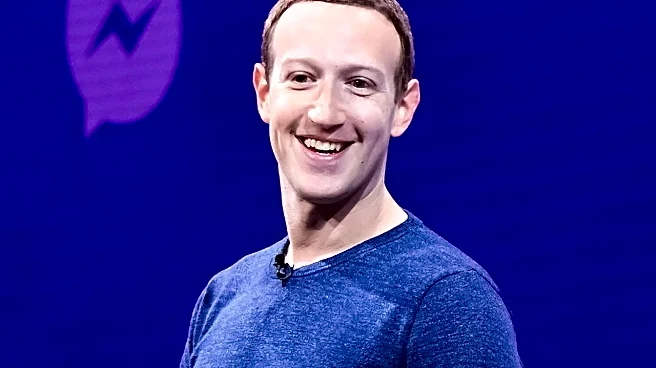
The earliest and most dramatic disagreement was a classic startup dilemma: chase growth at all costs or build a profitable business? Mark Zuckerberg was obsessed with expansion. He believed 'Thefacebook,' as it was then known, needed to achieve massive
scale first, and monetization could come later. His vision was to create a utility, an essential piece of internet infrastructure, not just another website. On the other side was Eduardo Saverin, the company's first CFO and initial investor. With a background in finance, Saverin was focused on making the company financially sustainable. He pushed for early monetization through advertising. This fundamental difference in philosophy created immense friction. While Zuckerberg was in Palo Alto absorbing Silicon Valley's grow-first ethos, Saverin was in New York trying to secure ad deals, a move Zuckerberg and his new mentor, Sean Parker, saw as premature and detrimental to the user experience.
The Battle for Absolute Control
The disagreement over strategy quickly morphed into a bare-knuckle battle for control. Influenced by Napster co-founder Sean Parker, Zuckerberg became convinced that to achieve his long-term vision, he needed undisputed authority. Parker, having been pushed out of his own companies before, structured Facebook’s first major investment from Peter Thiel to give Zuckerberg majority control of the board. This move was pivotal. When Saverin was perceived as uncooperative and slow to approve crucial next steps—like restructuring the company to accept investment—Zuckerberg made a ruthless decision. He created a new corporate entity and issued new shares to the active team members, massively diluting the stake of Saverin, who was not in California. It was a strategic maneuver to sideline the person he saw as an obstacle. The ensuing lawsuit was settled out of court, with Saverin’s name eventually restored as a co-founder, but Zuckerberg's control was cemented.
The Mission Diverges: Later Philosophical Splits
The disagreements didn't end with Saverin. Over time, other founders grew apart from the company Zuckerberg was building. Chris Hughes, the roommate who was Facebook's original spokesperson, left in 2007. Years later, he became one of the company's most vocal critics, arguing that Zuckerberg's focus on growth led him to "sacrifice security and civility for clicks." In a stunning 2019 op-ed, Hughes called for the breakup of the company he helped create, stating that Facebook had become a powerful, unchecked monopoly. He argued Mark's power was "unprecedented and un-American," a direct consequence of the absolute control Zuckerberg had fought for in the early days. Dustin Moskovitz, another co-founder and the company's first CTO, left in 2008 to start the software company Asana. While his departure was less contentious, it underscored a divergence in focus; Moskovitz wanted to solve different problems related to workplace collaboration.
A Legacy Forged in Conflict
Ultimately, the direction that defined Facebook was Zuckerberg’s alone. His victory in the company's foundational conflicts ensured that user growth, engagement, and market domination would always be prioritized over early revenue or external objections. Sean Parker was instrumental in this, championing the focus on user-generated content and a clean interface designed to keep people on the site. He and Zuckerberg shared a vision of creating a company so big it was irreversible. This philosophy explains Facebook’s trajectory from a college network to a global power that acquired competitors like Instagram and WhatsApp. The early disagreements were not merely about money or titles; they were a battle over the fundamental purpose of the platform. The version of Facebook that won out—a data-driven machine built for scale and attention—was the direct result of Zuckerberg ensuring no one could ever stand in his way again.