




The Spectacle of Incrementalism
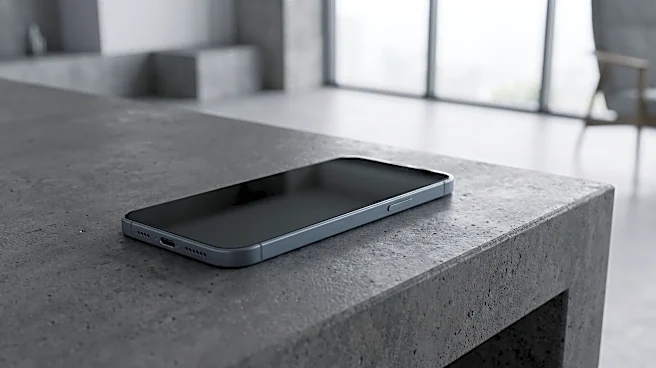
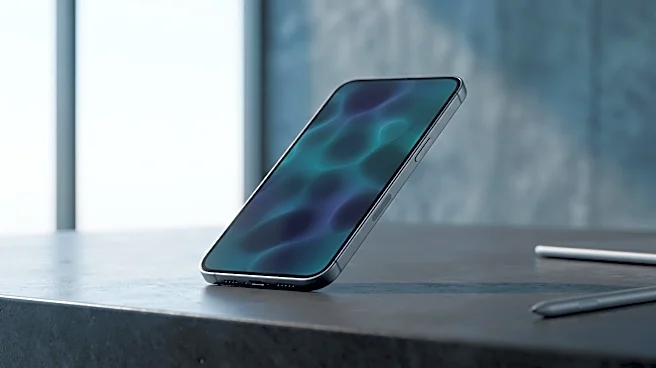
The iPhone 18 Pro and Pro Max officially hit stores on September 18, bringing with them a host of predictable, if impressive, upgrades. Early reviews praise the new A20 Pro chip, a novel variable aperture camera system, and improved speakers. But the consensus
is clear: these are refinements, not revolutions. Analysts have described early pre-order interest as "lukewarm," suggesting consumers see the iPhone 18 as a solid but iterative update rather than a must-have leap forward. This sentiment is compounded by the shadow of the upcoming iPhone Duo, Apple's first foldable device, which may be siphoning off some enthusiasm from would-be Pro buyers. The launch day crowds were solid but not spectacular, lacking the overnight campers of years past. It all points to a product cycle that, while commercially successful, no longer generates the seismic shockwaves it once did. The days of a single phone launch defining Apple's entire year are fading.
A Masterclass in Marketing
If the product itself is becoming more predictable, why does the launch still feel like such a major event? Because Apple is a master of orchestrating hype. The launch is less about the phone and more about reinforcing the brand's cultural dominance. It’s a carefully managed media spectacle that feeds an entire ecosystem of tech reporters, YouTubers, accessory makers, and Wall Street analysts. Each new color—this year, it's a deep burgundy—is treated like a major fashion statement. Every minor hardware tweak, like the new variable aperture, gets detailed explainers from photography experts. This manufactured excitement ensures Apple dominates the news cycle, even if the core product story is one of incremental gains. Being skeptical of this hype isn't cynical; it’s simply acknowledging that the marketing machine is now a bigger part of the story than the device itself.
The Real Engine: Apple's Services Empire
The true reason to be bullish on Apple has little to do with the iPhone 18. The company's future is anchored in its sprawling, high-margin Services division. In the second quarter of fiscal 2026, Services revenue hit a record $30.98 billion, growing over 16% year-over-year. For the first nine months of the fiscal year, revenue from Greater China alone was up 30%. This isn't just about the App Store. It’s a vast portfolio that includes Apple Music, iCloud, Apple TV+, Apple Pay, and a burgeoning advertising business. Apple TV+ has seen viewership jump 36% year-over-year and is landing major sports deals, including exclusive rights for Formula 1 in the U.S. With over 2.5 billion active devices in its ecosystem, the company has an unparalleled installed base to monetize. While a recent quarter showed a slight miss on analyst expectations for Services, the division's overall trajectory is the key to Apple's sustained profitability.
The Moat Is the Ecosystem, Not the Phone
Ultimately, the iPhone is the gateway, not the destination. Apple's true competitive advantage—its "moat"—is the seamless integration of hardware, software, and services. Once you buy an iPhone, you’re drawn into using iCloud for backups, the App Store for software, and maybe AirPods for audio and an Apple Watch for fitness. This interconnectedness creates what investors call "high switching costs." Leaving the ecosystem means abandoning years of photos, messages, app purchases, and learned habits. It’s this powerful lock-in, not the specs of the latest phone, that ensures a recurring and predictable revenue stream. The iPhone 18 launch is simply the latest on-ramp to this massively profitable toll road. It keeps the ecosystem growing, feeding the services business that now drives the company's value. The stock has soared over 40% in the last year, pushing its market cap toward $5 trillion, a testament to this powerful business model.