






1. Steve Jobs: The Original Product Obsessive
The comparison between Jack Dorsey and Steve Jobs is practically a Silicon Valley cliché, but it’s rooted in a shared, almost spiritual, devotion to the product itself. Like Dorsey, who built Twitter around the elegant constraint of 140 characters and Square
around a simple, accessible payment dongle, Jobs believed that great design was not just about looks but about how something fundamentally works. Jobs’s philosophy was to merge design and function seamlessly, creating products that were simple, intuitive, and beautiful. This focus on user experience, often at the expense of adding more features, is a direct parallel to Dorsey's minimalist approach. For both founders, the goal wasn't just to build a company; it was to create tools that felt inevitable and perfect, relentlessly stripping away the non-essential to get there.
2. Brian Armstrong: The Conviction-Driven Visionary
If Dorsey’s later career is defined by his unwavering belief in Bitcoin and decentralized systems, then Brian Armstrong, the co-founder and CEO of Coinbase, is his philosophical counterpart. Armstrong saw the potential of a new, open financial system and built the primary on-ramp for millions to access it, much like Dorsey saw the potential for real-time global conversation. Both men faced immense skepticism. Armstrong navigated a nascent, volatile industry with a singular focus on making cryptocurrency accessible and user-friendly. This mirrors Dorsey's belief in running companies based on long-term conviction rather than short-term goals. Studying Armstrong offers a look at a founder who, like Dorsey, committed to a technological paradigm shift long before it was mainstream, building the infrastructure for a future he believed was coming.
3. Whitney Wolfe Herd: The Mission-Infused Product Builder
Jack Dorsey often spoke about improving the 'health' of the conversation on Twitter, intertwining the product's success with a social mission. Whitney Wolfe Herd took this concept and made it the entire foundation of her company, Bumble. She didn’t just create a dating app; she designed a system with a clear social value—empowering women to make the first move—baked directly into its core functionality. This is a powerful example of a founder's principles becoming the product itself. Wolfe Herd’s vision for a kinder, more accountable internet is a direct extension of her values, influencing everything from company culture to product features. For those who admire Dorsey's attempts to use platform design to shape user behavior, Wolfe Herd provides a masterclass in how to build a multi-billion-dollar empire where the mission and the product are one and the same.
4. Reid Hoffman: The Philosopher-Founder
Dorsey is known for his philosophical, almost cryptic, approach to leadership and life. Reid Hoffman, the co-founder of LinkedIn, embodies a more academic version of this archetype. With a master's degree in philosophy from Oxford, Hoffman approached company-building with a deep focus on the human element within technological systems. He didn't just build a professional network; he thought deeply about professional identity and how to facilitate meaningful connections in the digital age. His advocacy for 'blitzscaling' and his famous adage about an entrepreneur being someone who jumps off a cliff and builds a plane on the way down speaks to a strategic, framework-driven mindset. Like Dorsey, who thinks in long time horizons, Hoffman is a public intellectual who views his ventures within a larger social and philosophical context, making him a crucial figure for founders who want to be thinkers as well as builders.
5. Elon Musk: The Controversial Multi-CEO
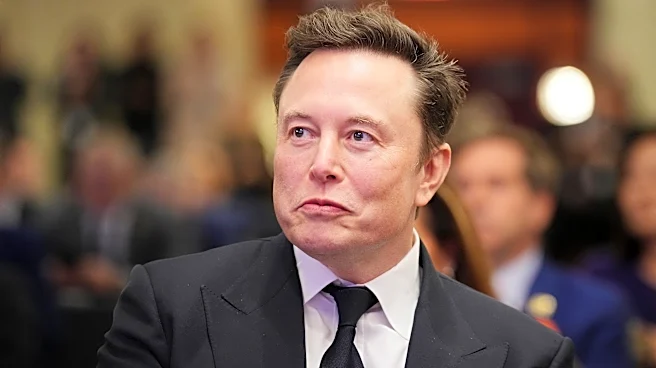
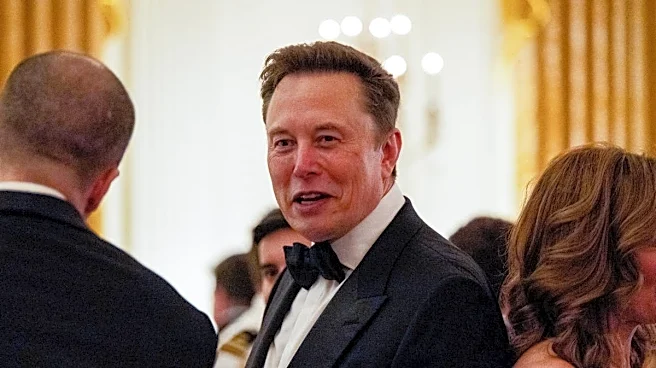
For six years, Jack Dorsey was CEO of two publicly traded companies, Twitter and Square—a feat considered nearly impossible. Elon Musk took that model and amplified it, running Tesla, SpaceX, and a handful of other transformative companies simultaneously. While their leadership styles differ dramatically, the parallel lies in their immense ambition and ability to context-switch between massive, industry-defining ventures. Both have used their platforms to command global attention, often courting controversy. And both have demonstrated an ability to will audacious visions into reality against all odds, from electric cars and reusable rockets to democratizing payments and conversation. Studying Musk, particularly his strategic time allocation and relentless focus, offers a glimpse into the operational intensity required to manage a portfolio of world-changing ideas, a challenge Dorsey himself navigated for years.