






The Planetary Price of Raw Materials
Every wearable AI device begins its life deep in the earth. Manufacturing these miniature marvels requires a cocktail of rare earth elements and precious metals. Materials like lithium and cobalt are essential for the compact, powerful batteries they
need, while elements like neodymium, indium, and gallium are crucial for tiny, high-performance magnets, speakers, and touchscreens. The mining and processing of these materials are energy-intensive and can lead to significant environmental degradation, including water pollution and habitat destruction. With some of these resources concentrated in geopolitically sensitive regions, the supply chain itself carries a hidden cost of instability and ethical concerns, including links between minerals like cobalt and dangerous working conditions. This reliance on finite resources creates a fundamental tension between the tech industry’s push for mass adoption and the planet's capacity to provide.
The Unseen Energy Bill
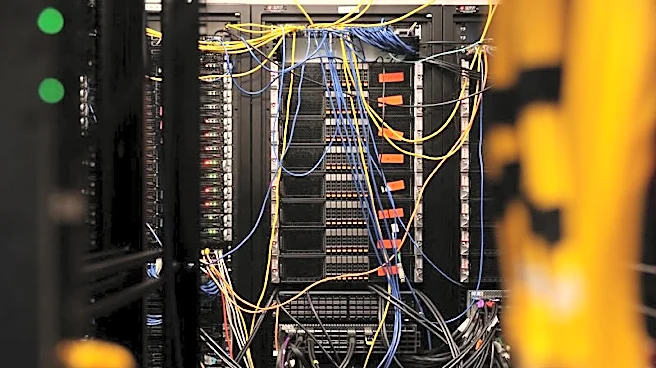
While the wearable itself sips power, its brain lives in a massive, energy-hungry data center. Every voice command, image recognition, and real-time translation is processed by AI models running on powerful servers hundreds or thousands of miles away. These data centers have an enormous appetite for electricity, not just to power the servers but also for the extensive cooling systems required to keep them from overheating. The electricity consumption of data centers already accounts for about 1.5% of global use, and the rise of AI is causing that demand to surge. An AI server rack can require 3-5 times more power than a traditional one. This intense energy use puts a strain on local power grids and contributes to carbon emissions, especially when the data centers are powered by fossil fuels.
The High Price of Your Personal Data
With wearable AI, the product isn't just the device; it's also the data it collects. These gadgets are designed for passive, continuous data collection, capturing not only your direct commands but also ambient conversations and visual data from your surroundings. This raises significant privacy concerns, as vast amounts of sensitive personal information—from health metrics to location history—are gathered, transmitted, and stored. Users often have little transparency into how this data is used, shared with third parties, or protected from breaches. Events like major data breaches at fitness app companies serve as a stark reminder of the security risks. In essence, the price of using wearable AI often includes trading a constant stream of your personal life for convenience, creating privacy risks for both the user and the people around them who are recorded without their knowledge or consent.
The Growing Mountain of E-Waste
The lifecycle of a wearable AI device often ends in a drawer or, worse, a landfill. These products are small, complex, and frequently designed without repairability in mind. Glued-in components and embedded batteries make disassembly for recycling extremely difficult and labor-intensive. As a result, many of these devices are simply thrown away, contributing to the world's rapidly growing e-waste problem. Improperly discarded wearables can leak toxic chemicals from their batteries and circuit boards into soil and groundwater. Unlike smartphones, which have established trade-in and refurbishment markets, the path for recycling smaller wearables is less clear, and many consumers are unaware of proper disposal options. This short-lifespan, high-turnover model creates a linear path from factory to trash, wasting the valuable and finite resources used to create them in the first place.