





The Two Flavors of Quiet: A Quick Refresher
Before diving into the overlooked details, it’s worth clarifying what we’re talking about. Passive noise isolation is the original method: it’s a physical barrier. Think of thick, comfortable earcups on over-ear headphones or the snug seal of in-ear buds.
These materials physically block sound waves, particularly effective against higher-frequency noises like conversations and keyboard clatter. It’s a simple, powerless approach. Active Noise Cancellation (ANC), on the other hand, is electronic wizardry. Tiny microphones on the outside of the headphones listen to the ambient environment, and an internal chip generates an opposite soundwave—an “anti-noise”—that cancels out the incoming sound before it reaches your ear. This process, called destructive interference, is exceptionally good at erasing constant, low-frequency drones like airplane engines, train rumbles, and air conditioning hums.
What Most Reviews Focus On (And Why It's Incomplete)
Pick up any review, and you'll find a detailed breakdown of how well a headphone's ANC performs on a flight, in a busy cafe, or on public transit. The focus is almost always on the quantity of silence. How much of the outside world is erased? Does it block voices well? Is it a class-leader in noise reduction? This is valuable information, especially for commuters and frequent flyers. However, this laser focus on noise attenuation sidesteps a more nuanced conversation. The assumption is that more cancellation is always better, and that the only downside is a potential hit to battery life. But the reality is more complex. ANC isn't just removing something; it's actively adding something into your listening experience.
The Hidden Detail: ANC's Cost to Sound and Comfort
Here’s the detail many reviews gloss over: the act of generating that "anti-noise" signal isn't sonically neutral. The processing required can subtly but noticeably alter the music you’re trying to enjoy. Audiophiles often report that engaging ANC can make music feel more compressed, less dynamic, and slightly less open or lively. Research confirms this isn't just imagination; the signal processing involved can alter frequency balance and introduce subtle artifacts, even if it technically reduces certain types of distortion. It’s a trade-off: you get silence, but potentially at the cost of audio purity. Then there's the physical sensation. Many users report a feeling of pressure, stuffiness, or a gentle "eardrum suck" the moment they switch ANC on. This isn't a dangerous change in air pressure. It's a psychoacoustic effect: your brain is so accustomed to hearing low-frequency ambient sound that its sudden absence is interpreted as a pressure change, similar to ascending in an airplane. For some, it’s a minor quirk; for others, it can lead to discomfort or even headaches.
When Passive Isolation Is Actually Superior
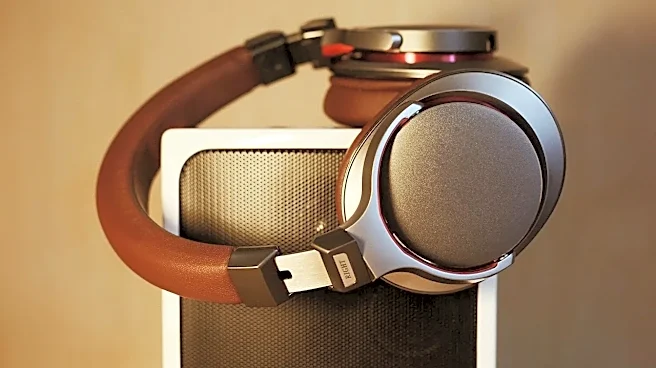
This brings us to the counterintuitive conclusion: sometimes, the "dumber" technology is the better choice. For a critical listening session at home where you want to hear every nuance of a recording exactly as the artist intended, passive noise isolation is often superior. A well-designed pair of closed-back headphones with good passive sealing blocks a significant amount of household noise without any electronic interference. It doesn’t color the sound, introduce processing artifacts, or create that odd pressure sensation. It offers a more natural and pure audio experience, which is why many high-fidelity, audiophile-grade headphones forgo ANC entirely. They prioritize the integrity of the audio signal above all else.
So, Who Is Each Technology Really For?
The choice isn’t about which technology is “better” overall, but which is right for a specific situation. Active Noise Cancellation is the undisputed champion for anyone trying to survive a noisy commute, open office, or long-haul flight. Its ability to eliminate constant, low-frequency drone is unmatched and can genuinely improve focus and reduce fatigue. It also allows you to listen at safer, lower volumes because you're not fighting to drown out the world. Passive Noise Isolation is for the purist, the home listener, and the musician. If your primary goal is audio fidelity in a relatively controlled environment, passive isolation provides a clean, unaltered listening experience. It protects the integrity of the music without the potential side effects of ANC, making it the preferred choice for dedicated, critical listening.