







The Peacetime General
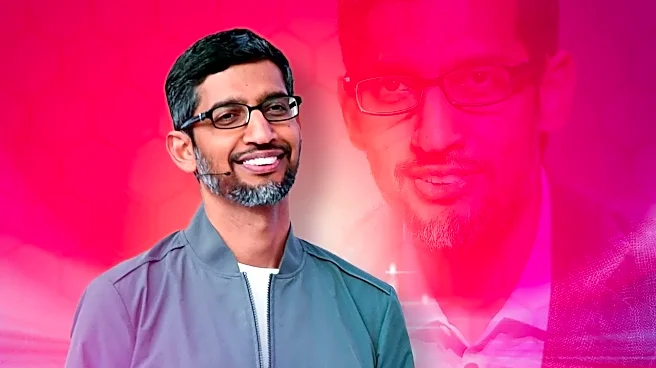
To understand the praise for Sundar Pichai, you have to look at the company he inherited. Google was no longer a scrappy startup but a global behemoth. In this environment, his calm demeanor, technical depth, and collaborative approach were seen as major
assets. He rose through the ranks not through sharp elbows, but by consistently delivering on major products like Chrome and Android. Colleagues and employees have long described him as empathetic, inclusive, and a great listener who can break down complex ideas into simple terms. This 'peacetime' style focuses on long-term impact and consensus-building, which is effective for a market leader focused on sustaining and incrementally improving its vast ecosystem. His supporters would argue that his steadiness is a strategic advantage, fostering a culture of psychological safety and thoughtful innovation.
A Bureaucracy of Consensus
The very qualities that supporters praise are the ones critics point to as a critical flaw. Multiple reports, citing current and former executives, have painted a picture of a leader whose deliberate, consensus-driven style can result in a "paralyzing bureaucracy" and a "bias toward inaction." The chief complaint is that Pichai can be slow to make key decisions, sometimes taking a year or more to fill crucial roles or approve strategic moves. This caution has been blamed for missed opportunities, such as a rumored acquisition of Shopify that could have bolstered Google's e-commerce position against Amazon. In an industry that rewards speed, this methodical approach is seen by some as a liability, particularly as nimbler rivals gain ground. Internal employee surveys have also shown declining confidence in his leadership and vision at times.
The Vision Question
Another facet of the debate centers on the difference between a manager and a visionary. Pichai is widely respected as a world-class operational leader and product manager. However, he is often contrasted with figures like Microsoft's Satya Nadella, who is credited with a dramatic cultural and strategic transformation of his company. Critics argue that Pichai is more of a caretaker CEO, skillfully managing the massive machinery of Google but failing to articulate a bold, inspiring vision for its future that galvanizes both employees and the market. While Pichai speaks passionately about the long-term potential of AI, some insiders feel the company has been slow to act on its own groundbreaking research, allowing competitors like OpenAI to seize the narrative and the momentum. This has led to the perception that Google is playing defense, reacting to threats rather than proactively shaping the next decade of technology.
Leadership Under Fire in the AI Wars
The explosive arrival of ChatGPT and generative AI put Pichai's leadership style under the most intense scrutiny of his career. Google, despite inventing some of the foundational technology, was perceived as being caught flat-footed. In response, Pichai declared a "code red," accelerating the launch of Google's own AI products, like Gemini. Yet the rollout has been rocky at times, reinforcing the narrative that the company's size and cautious culture hinder its ability to compete with the aggressive, fast-moving tactics of its rivals. While some praise his steady hand during this turbulent period, others see it as further evidence of a risk-averse leadership style unsuited for a 'wartime' scenario where decisive, rapid action is paramount. The contrast is clear: where Nadella is seen as playing bold and fast, Pichai is seen as playing a more patient, long game.