




The Brain Within the Brain
First, let's pull back the curtain on the Neural Engine. Think of your iPhone's main chip—the A20 Pro—as a team of specialists. The CPU is the general manager, handling day-to-day operations. The GPU is the visual artist, rendering graphics for games
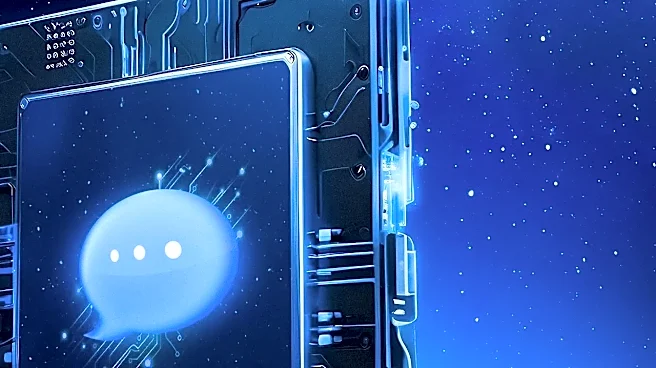
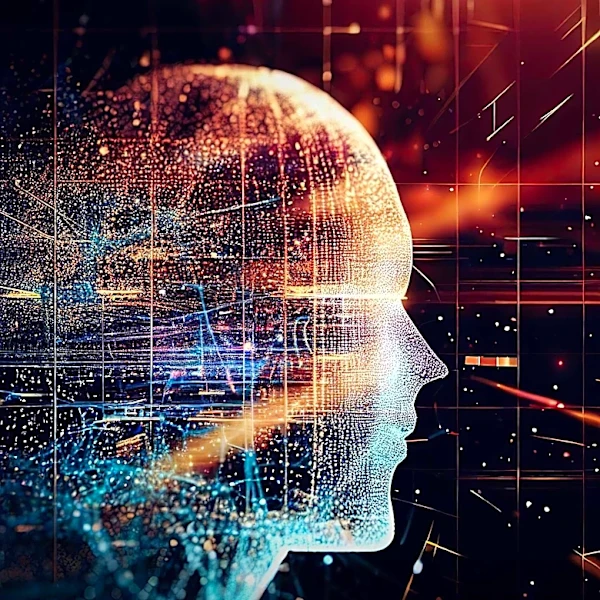
and videos. The Neural Engine is the quiet super-genius in the corner, a piece of hardware built for one job: artificial intelligence. It’s designed to mimic the human brain, excelling at pattern recognition and machine learning tasks. Every time you unlock your phone with Face ID, see your photos automatically organized by person, or use text recognition in an image, you’re seeing the Neural Engine at work. It's the component that makes your iPhone feel 'smart' rather than just fast.
The A20 Pro and Its Doubled-Up AI Core
The 'hidden clue' for the iPhone 18 isn't just one thing but a convergence of reports and Apple's own announcements. The new A20 Pro chip, built on a cutting-edge 2-nanometer process, is a powerhouse. But the bombshell detail is its new Neural Engine design. According to Apple's launch day information, the A20 Pro features a 'Dual 16-core Neural Engine,' bringing the total to 32 cores. This effectively doubles the AI processing power compared to the A19 Pro chip in the previous generation's iPhone 17 Pro. This isn't just an incremental spec bump; doubling the cores dedicated to AI signals a fundamental shift in strategy. Apple isn't just making the old features faster; it's building a foundation for entirely new capabilities that were previously impossible on a handheld device.
From Voice Commands to a True Assistant
So, what does a 32-core Neural Engine actually do for you? It closes the gap between the cloud and your device. For years, powerful AI like advanced language models had to run on massive data center servers. With this much on-device power, Apple is bringing that intelligence home. The most immediate beneficiary is Siri. Bolstered by what Apple calls 'Apple Intelligence,' Siri can now move from a simple command-and-response tool to a true contextual assistant that works mostly offline. It can understand your conversational stumbles, summarize text on your screen, and perform multi-step tasks across different apps, all while keeping your personal data private because the processing happens right on your phone. This privacy-first, on-device approach is Apple's core strategy, aiming to build trust where competitors relying on the cloud cannot.
Defining the Next AI Arms Race
This massive hardware investment defines not just the iPhone 18, but Apple's battle plan for the next decade. While competitors have focused on building the most capable large language models in the cloud, Apple has been playing a different game: building the most efficient and powerful personal AI hardware. By doubling down on the Neural Engine, Apple is betting that the winning formula isn't just raw AI performance, but seamlessly integrated, privacy-respecting intelligence that 'just works' across its ecosystem. The A20 Pro's design, with its 32-core Neural Engine and unified memory architecture, gives developers a platform to create next-generation AI apps that are faster, more reliable, and more secure than anything that has to make a round trip to a server. This isn't just an upgrade; it's a strategic move to make the iPhone the indispensable hub for personal AI.