




More Than a Hardware Race
When Steve Jobs unveiled the first iPad in 2010, it wasn't just a new gadget; it was a declaration. Apple presented it as a new category of device, something more intimate than a laptop but more capable than a smartphone. This set the stage for the “post-PC
era,” a concept that envisioned a world where traditional computers became more specialized, like trucks, while tablets and phones became the personal cars for everyday life. The initial response from competitors was a frantic race to catch up on hardware. Android partners released a flood of tablets at every price point, but many missed the point. Early Android tablets often felt like scaled-up smartphones, running an operating system that wasn't optimized for the larger screen. This created a fragmented and often clumsy user experience. Apple's strategy, by contrast, was about tight integration. By controlling the hardware, the software (iOS, later iPadOS), and the marketplace (the App Store), it offered a seamless, simple experience that defined what a tablet should feel like.
The Real Prize: The App Ecosystem
The long-term war wasn't for hardware dominance; it was for the loyalty of developers. Both Apple and Google understood that the device was just a vessel. The real value lay in the ecosystem of apps and services built on top of it. This created the classic chicken-and-egg problem: users won't buy a device without great apps, but developers won't build apps for a platform without a large user base. Apple had a massive head start. It leveraged the existing iPhone App Store, giving the iPad an instant library of software. More importantly, Apple successfully pushed developers to create apps specifically designed for the iPad's larger canvas. This resulted in a richer, more engaging experience, especially for creative and professional applications. Google’s open-source approach for Android led to a huge number of devices but struggled to solve the app problem on tablets. For years, many Android tablet apps were just stretched-out phone apps, a problem that discouraged both users and developers. While the Google Play Store had more apps overall, Apple's App Store generated significantly more revenue, making it a more attractive target for developers looking to make money.
Defining What a Tablet Is For
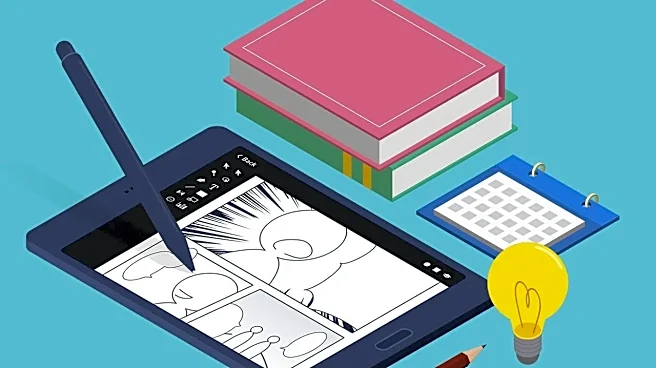
The fight also forced a fundamental question: what is a tablet for? Is it purely a media consumption device for watching videos and browsing the web? Or can it be a tool for creation and productivity? Initially, many saw tablets as leisure devices. However, Apple consistently pushed the iPad toward productivity, first with its iWork suite and later with the introduction of the Apple Pencil and the iPad Pro. Microsoft entered the fray with the Surface in 2012, explicitly marketing it as “the tablet that can replace your laptop,” further blurring the lines. This pressure forced both platforms to evolve. Android tablets, particularly high-end models from Samsung, developed sophisticated multitasking features and stylus support to compete. Apple, in turn, continued to build more computer-like features into iPadOS, such as improved file management and multitasking. The competition created a market where consumers could choose between devices geared for entertainment, productivity, or a hybrid of both, fundamentally shaping our expectations of what a portable screen can do.
The Legacy We Live With Today
Today, the fiery “tablet wars” of the early 2010s have cooled into a more stable market. The iPad dominates the premium space, while Android offers a wide array of options, especially for budget-conscious buyers. But the legacy of that conflict is all around us. It solidified the dominance of the app store model, where software is discovered and distributed through a centralized, curated marketplace. It established the importance of a tightly integrated hardware and software ecosystem, a playbook that companies across the tech industry now follow. The war also proved that a device's long-term value is tied to its software support and longevity, an area where Apple built a significant advantage by providing years of updates for its devices. The real reason the tablet wars mattered was that they were never just about the tablets themselves. They were a proxy battle for defining the rules of the entire mobile era—an outcome that continues to shape the technology we use every single day.