





Android’s Enduring Trust Problem
For years, the word “Android” has been synonymous with fragmentation. Unlike Apple, which controls its hardware and software, Google provides the base Android OS to dozens of manufacturers. The result has been a messy, inconsistent user experience. While
a new version of iOS rolls out to most iPhones simultaneously, Android users have historically been at the mercy of their phone’s maker—be it Samsung, Motorola, or OnePlus—to receive new features and critical security patches. This delay can stretch for months. This inconsistency created a public perception problem. Many consumers see “Android updates” as slow, unreliable, or even a nuisance, a stark contrast to the unified and predictable nature of Apple's ecosystem. This long-standing issue forms the backdrop for Google's biggest strategic pivot with its own hardware.
The 'iPhone of Android' Strategy
Enter the Pixel phone. From its inception, the Pixel was positioned as the antidote to Android's chaos. It was Google's vision for what Android could be: pure, fast, and always up-to-date. This has become the central pillar of its sales pitch. By promising—and delivering—updates on day one, Google created a clear differentiator. This strategy has escalated dramatically. While rivals caught up, Google raised the stakes, promising an unprecedented seven years of OS upgrades and security patches for its flagship devices. This promise extends beyond just software; the company has also committed to making spare parts available for the same duration, signaling a serious commitment to longevity. The goal is clear: to build a walled garden within the sprawling Android landscape, making the Pixel the one device that offers an experience as seamless and reliable as the iPhone.
Does the Average Buyer Actually Care?
Herein lies the multi-billion-dollar question. While tech enthusiasts debate update timelines on forums, the average phone buyer operates differently. For many, a phone's camera, price, and brand recognition are far more tangible than a seven-year software promise. Studies and anecdotal evidence suggest a large portion of users don't fully understand what updates do or why they are critical for security and performance. The challenge for Google isn’t just providing better updates; it’s marketing that advantage effectively. How do you translate a technical specification into a compelling, emotional reason to choose a Pixel 11 over a heavily discounted Samsung Galaxy S-series phone or the latest iPhone their friends are all using? The promise is only as powerful as the public's understanding of its value. Google's task is to educate the market that a Pixel isn't just a phone for today, but a smarter, safer investment for years to come.
The Pixel 11 Test Case
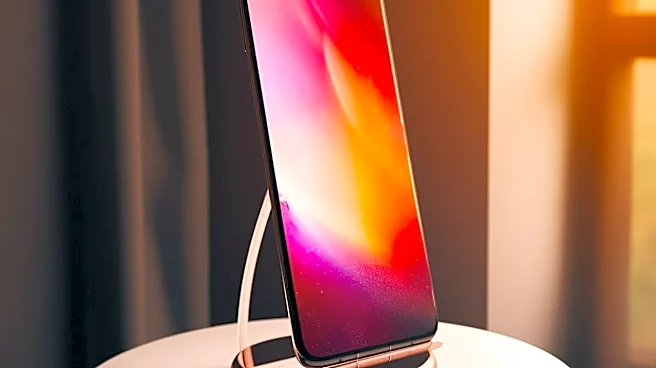
The upcoming Pixel 11 launch will be the ultimate test of this software-first strategy. Its success will hinge not just on its new AI features or camera tricks, but on Google’s ability to convince mainstream buyers of its long-term value proposition. The narrative is shifting. It’s no longer just about getting the next version of Android first. It’s about getting exclusive AI features delivered via “Pixel Drops,” ensuring your device remains secure against threats, and trusting that the manufacturer won't abandon your expensive hardware after two or three years. However, this strategy is not without risks. Recent updates have occasionally introduced significant bugs, such as battery drain issues, undermining the very reliability Google is trying to sell. Furthermore, if Google withholds its most exciting new AI features for only the newest models, it could alienate existing users and damage the trust it's working so hard to build. Ultimately, the adoption of the Pixel 11 will reveal whether the public has started to view software support not as a boring spec, but as a core feature worth paying for.