






The Self-Correcting Network
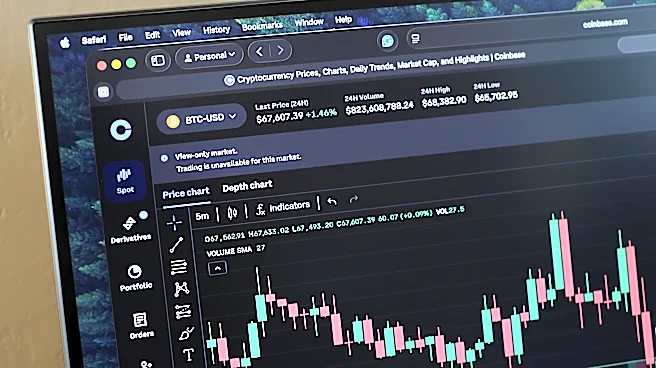
Most people look at a crypto crash and see only one thing: falling revenue. If the price of Bitcoin drops 16 percent, it is easy to assume that mining income drops by the same amount. While that is true initially, it ignores the most important mechanism
in the Bitcoin ecosystem: the difficulty adjustment. This is the network's way of keeping itself stable regardless of how much computing power is thrown at it. When prices fall, less efficient miners—the ones with older, power-hungry machines—can no longer afford to keep running. They switch off. This causes the total network hashrate to drop, which eventually triggers a reduction in mining difficulty. A lower difficulty means that the machines still running can secure more blocks with less effort, effectively giving them a bigger slice of the pie.
The Math of Survival
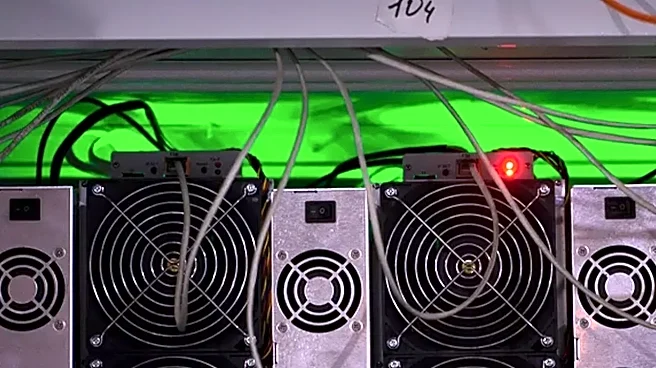
To understand why some miners survive while others vanish, you have to look at 'hashprice'—the daily income earned per unit of computing power. In recent market volatility, we have seen hashprice slide significantly, hitting levels near historical lows. However, the math works in favor of efficiency. For example, a high-end Antminer S21 XP might be able to stay profitable even when electricity costs are relatively high because its output per watt is so optimized. In contrast, older models might require electricity prices near zero just to break even. The survival of ASIC (Application-Specific Integrated Circuit) mining isn't about luck; it is about having a break-even electricity price that sits below the current market reality. When the network sheds hundreds of exahashes of capacity from weak players, the efficient machines step into that vacuum.
Hardware Becomes a Bargain
There is another side to this survival story: the secondary market for hardware. When a crash hits, mining income falls first, and hardware prices follow a few weeks later. This creates a unique window for those with capital to deploy. During recent downturns, we have seen deep discounts on ASIC miners—sometimes exceeding 30 percent for hydro-cooled or high-efficiency models. While it looks like a disaster for current operators, it represents a massive opportunity for those looking to upgrade their fleet at a fraction of previous costs. An S21 XP will hash at the same speed next year regardless of whether it was bought during a bull market or a bear market; the only difference is how much you paid for its ability to do so.
The Tug-of-War
It is not all smooth sailing, though. The relationship between difficulty and hashrate is often a frantic tug-of-war. Even after a significant difficulty cut—which provides temporary relief by increasing revenue per unit of work—the network can rebound incredibly quickly. If miners realize they can make money again due to lower difficulty, they flip their machines back on almost immediately. This can effectively 'erase' the relief provided by a difficulty adjustment within just a few days if the hashrate surges back up. This constant tension between price volatility and network recalibration is what keeps the industry in a state of perpetual evolution.