




Threat 1: The Taxi Monopoly
Before Uber, the taxi industry in most American cities was a closed loop. A limited number of expensive medallions created an artificial scarcity that benefited fleet owners, not riders or drivers. The customer experience was often poor, with unreliable
service and dated payment systems. Kalanick’s insight was that this wasn't just a service problem; it was a monopoly problem. Uber didn't try to join this system. It routed around it entirely. Armed with a smartphone app, GPS, and a frictionless payment system, Uber launched as a 'black car' service, positioning itself as a premium alternative that existing taxi laws didn't cover. The strategy was to create a product so superior that it would generate unstoppable consumer demand. Instead of asking for permission, Uber launched, got people hooked, and then leveraged its user base as a political force against the entrenched taxi lobby. The taxi industry, used to fighting its battles in commission hearings, was blindsided by a company that weaponized customer satisfaction.
Threat 2: The Regulatory Wall
Nearly every city Uber entered presented a legal buzzsaw. Regulators, often allied with the taxi industry, accused Uber of operating an illegal taxi service, bypassing licensing, insurance, and safety requirements. Most founders would treat this as a signal to halt operations and negotiate. Kalanick treated it as a core part of the business model. His philosophy was 'principled confrontation'. The Uber playbook became predictable and brutally effective: launch without approval, demonstrate overwhelming public demand, and then frame the ensuing regulatory battle as a choice between innovation and the past. The company mobilized its users with in-app petitions and social media campaigns, essentially turning a regulatory fight into a popular vote. Kalanick famously said Uber was running a political campaign where the candidate was Uber itself. The company even developed a tool known as 'Greyball,' which used app data to identify and evade law enforcement officials in cities where its service was curtailed. This hyper-aggressive stance was costly and controversial, but it allowed Uber to establish a foothold in dozens of markets before local governments could effectively shut them down.
Threat 3: The Deep-Pocketed Rival
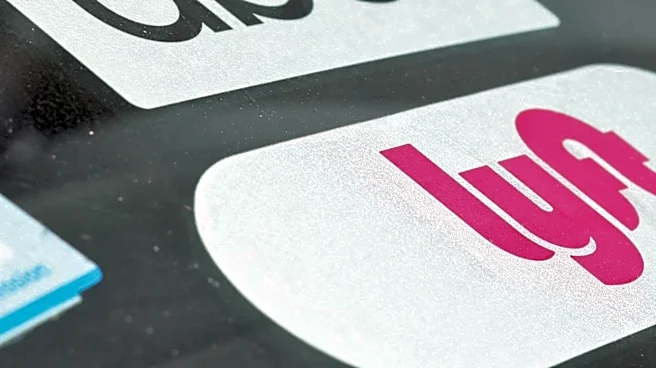
While Uber fought regulators, it also faced a fierce domestic competitor in Lyft. In Silicon Valley, a well-funded 'fast follower' can often bleed the first-mover dry. The Uber-Lyft rivalry quickly became a war of capital. Kalanick's strategy was to out-raise and out-spend his rival into submission. After Lyft turned down his acquisition offer in 2014, Kalanick went on the offensive. He admitted to actively disrupting Lyft's fundraising efforts by telling potential investors that Uber would be raising a larger round immediately after. Uber used its massive war chest to subsidize rides, offer lavish driver incentives, and fund aggressive expansion, betting it could achieve a scale and network efficiency that Lyft couldn't match. Kalanick viewed capital not just as fuel for growth, but as a 'strategic weapon.' This turned fundraising into a brute-force exercise; at one point, Uber had so much investor interest it ran parallel meetings in multiple rooms to manage the demand. By making Uber the most valuable private startup in the world, Kalanick ensured he had more firepower than any competitor, starving them of the oxygen needed to compete.