








The Seductive Promise of Internet Through Your Walls
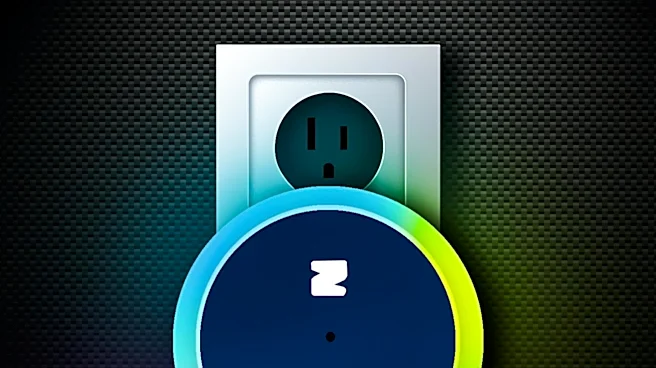
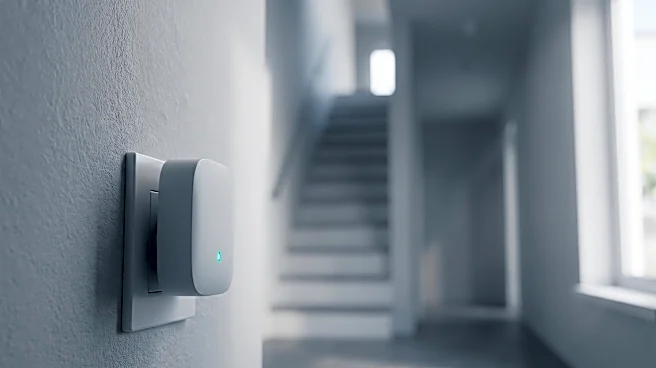
First, let's appreciate the appeal. Powerline networking uses your home's existing electrical wiring to transmit data. You plug one adapter into an outlet near your router and connect it with an Ethernet cable. Then, you plug a second adapter into any
other outlet in the house — a basement office, an upstairs bedroom — and voilà, you have a wired internet port. It’s a brilliant workaround for Wi-Fi dead spots caused by thick walls or long distances, promising a stable connection without drilling holes or running unsightly cables through your home. For many, it's the perfect fix for a spotty connection. When it works, it's fantastic. The problem is that 'when it works' carries a lot of hidden baggage.
The Two-Story Trap: Crossing Electrical Circuits
Here's the number one killer for performance in larger or multi-story houses: the electrical panel. Most U.S. homes use a split-phase system, where your circuit breaker box divides power into two separate 'legs' or 'phases'. Your kitchen outlets might be on one phase, while your upstairs bedroom is on the other. For a powerline signal to get from one to the other, it has to travel all the way back to the main breaker panel and cross over. This journey significantly weakens the signal, adding resistance and introducing interference that can slash your speeds or prevent a connection entirely. While adapters can technically work across different circuits, performance drops dramatically. It's not about the physical distance between plugs; it's about the convoluted electrical path the data has to navigate.
Your Appliances Are Screaming (Electrically)
Your home's wiring is a shared highway, and it's incredibly noisy. Powerline adapters work by sending high-frequency data signals over the wires. Unfortunately, many other household devices spew out high-frequency electrical 'noise' on the exact same highway. Anything with a motor or a switching power supply is a potential culprit. This includes vacuum cleaners, air conditioners, washing machines, and even small, cheap phone chargers. When you run your microwave, the electrical interference can be enough to destabilize your connection, causing lag spikes or dropouts. Plugging the adapters into surge protectors or power strips also kills performance, as their built-in noise filtering strips out the very signals the adapters rely on.
When Old Houses and New Codes Fight Back
The physical state of your wiring is another huge variable. Older homes, especially those over 40 years old, often have aging, lower-quality wiring that is more susceptible to signal degradation and interference. The path might be longer and less direct than in a modern home, further weakening the signal. Conversely, very new homes present a different problem: Arc-Fault Circuit Interrupters (AFCIs). Now required by code in many new constructions, these safety devices are designed to detect the unique high-frequency patterns of a dangerous electrical arc and shut the circuit down. The trouble is, the data signals from powerline adapters can look very similar to an arc, causing the AFCI breaker to misinterpret the signal and either filter it out — crippling your speed — or trip the breaker entirely.