







5. Battery: A Familiar Foundation
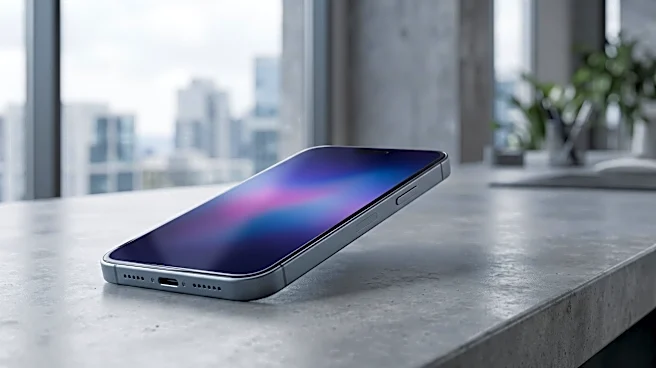
Let's start with the foundation: keeping the lights on. The Pixel 11 features a slight battery capacity bump to 4,985mAh, a negligible increase from its predecessor. Google is once again promising over 30 hours of use, a claim enabled by its Adaptive
Battery software and the efficiency gains from its new chip. While some reports mention the Pro models have slightly smaller batteries than last year, Google promises more hours of use, likely pointing to software and chip optimizations making up the difference. Charging speeds remain solid but aren't industry-leading, with wired charging getting you to about 55% in 30 minutes with a compatible 30W charger. The introduction of Qi2.2 wireless charging is a welcome modern touch, but overall, the battery story for the Pixel 11 appears to be one of incremental refinement rather than a revolutionary leap. It's a crucial component, but it’s the least exciting part of this year's package.
4. Android 17: Smart and Secure
The Pixel is Google’s showcase for the best of Android, and the Pixel 11 continues that tradition with Android 17. The software brings useful, if not flashy, updates. New privacy controls allow for granting temporary location access or sharing only specific contacts with an app, offering more granular control. Security gets a boost with an enhanced "Mark as lost" feature in the Find Hub that requires biometrics to unlock a missing phone, thwarting thieves who might have your passcode. Smaller quality-of-life updates, like custom vibration patterns for different ringtones and a better system for forcing dark mode on stubborn apps, round out the experience. While Android 17 is a polished and secure platform, many of its core features will eventually make their way to other devices, placing it lower on a power ranking that's all about what makes the Pixel 11 unique.
3. Tensor G6: The Brains of the Operation
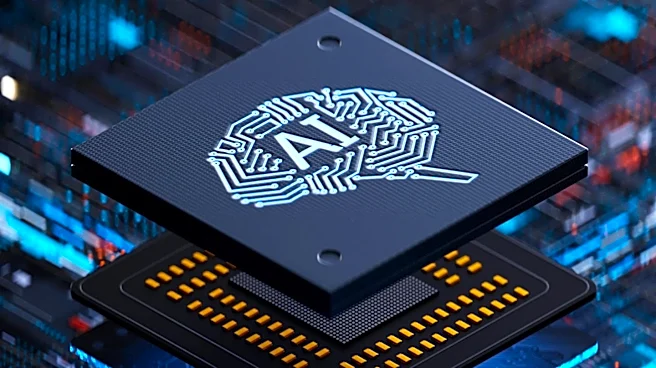
At the heart of the Pixel 11 is the new Tensor G6 chip, Google's latest custom-designed silicon. Built on a new 2nm process, the G6 prioritizes AI processing and power efficiency over raw benchmark scores. Google continues its strategy of not trying to beat Apple or Qualcomm in pure speed, instead focusing the chip’s architecture on powering its machine learning models. The result is a seven-core CPU that, while faster for tasks like web browsing, won't top the gaming performance charts. Its real job is to efficiently run the advanced AI features that define the phone. The new Tensor Processing Unit (TPU) is reportedly up to 50% more powerful, enabling on-device AI tasks to run significantly faster while using less energy. While the G6 is the essential engine for everything else on this list, its power is felt indirectly, making it the critical enabler rather than the star of the show itself.
2. Camera AI: Computational Magic
The Pixel camera has long been a benchmark for mobile photography, and with the Pixel 11, that reputation is built almost entirely on the back of AI. The hardware sees some upgrades, with a main sensor that lets in significantly more light and zoom capabilities stretching up to 120x on Pro models through a combination of optical, digital, and generative AI processing. But the real story is the software. Features like Instant Night Sight use the new Tensor chip to capture low-light photos faster. A new feature called Magic Capture analyzes hundreds of frames as you record video to automatically pull out perfectly timed, high-quality still photos, taking the pressure off the user to snap the perfect shot. However, some of these headlining features, like Magic Capture's best output, may require a cloud connection to work their full magic. Still, the camera system is where Google's AI prowess becomes most tangible and visually impressive for the average user, earning it a high spot.
1. Gemini: A Truly AI-Powered Assistant
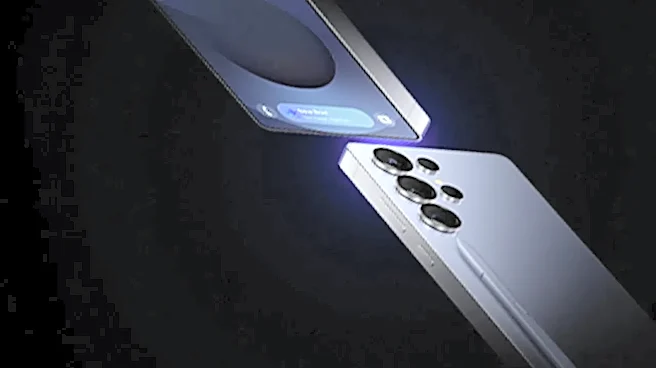
Taking the top spot is Gemini, Google’s AI platform that is more deeply integrated into the Pixel 11 than ever before. This isn't just a chatbot in an app; it's an intelligence layer woven throughout the operating system. An experimental new feature called “Call For Me” will allow Gemini to make routine phone calls on your behalf, like booking reservations or checking on an order, handling hold music and the entire conversation. Other features, like Rambler for summarizing messages and Live Translate for media, showcase an assistant that is becoming more proactive and genuinely helpful. The phone's new "HiLight" LED feature on Pro models even glows when you interact with Gemini, signaling how central the AI is to the hardware's identity. More than the chip that runs it or the camera it enhances, the deep, functional integration of Gemini is the Pixel 11's most powerful and forward-looking feature, representing Google's clearest vision yet for the future of the smartphone.