







The Empire's Lost Decade
To understand Microsoft’s resurgence, you first have to remember its period of stagnation. After dominating the 90s, the company entered the 21st century on its back foot, bogged down by a punishing antitrust battle and its own success. Under former CEO
Steve Ballmer, the company’s stock price remained largely flat for over a decade. While profitable, Microsoft seemed to be a step behind every major new trend. It missed the search revolution (won by Google), the smartphone revolution (won by Apple and Google), and the social media wave. The company that had defined the personal computing era was starting to look like a relic, a highly profitable but culturally irrelevant giant still tethered to its Windows and Office cash cows.
The Nadella Revolution
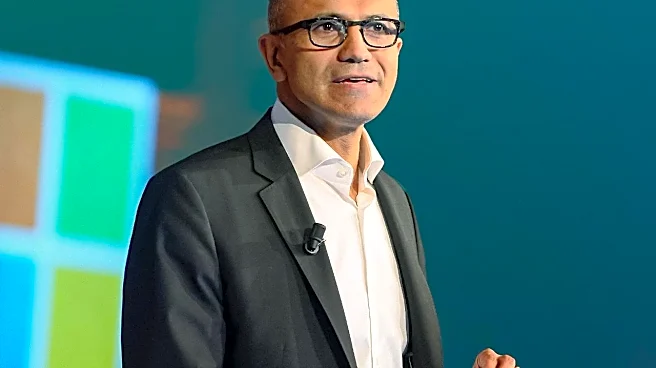
The turning point came in 2014 with the appointment of Satya Nadella as CEO. A Microsoft insider who previously led the cloud and enterprise group, Nadella didn't just introduce a new strategy; he engineered a profound cultural shift. He famously moved the company from a competitive "know-it-all" culture to a collaborative "learn-it-all" mindset. This wasn't just corporate jargon. He dismantled internal structures that pitted teams against each other and ended the toxic employee-ranking system that had stifled innovation. Nadella understood that to change how the world saw Microsoft, he first had to change how Microsoft saw itself. This emphasis on empathy, curiosity, and collaboration laid the essential groundwork for the strategic pivots to come.
Betting the Kingdom on the Cloud
Nadella’s new strategy was summarized in a simple mantra: "mobile-first, cloud-first." While the "mobile-first" part acknowledged the new reality of computing, the "cloud-first" part was the real revolution. Instead of protecting its legacy Windows business at all costs, Microsoft went all-in on Azure, its cloud computing platform. This was a direct challenge to Amazon Web Services (AWS), the market leader. It was a massive, capital-intensive gamble, requiring the construction of data centers around the globe. The company also transformed its biggest cash cow, Microsoft Office, from a one-time software purchase into a cloud-based subscription service called Microsoft 365. This move created predictable, recurring revenue and locked customers into its ecosystem more deeply than ever before.
Playing a New Game with Acquisitions
With its cultural and strategic foundations reset, Microsoft began making a series of massive, targeted acquisitions that redefined its reach. These weren't random purchases; they were strategic moves to conquer entire ecosystems. The $26.2 billion acquisition of LinkedIn in 2016 gave Microsoft ownership of the professional social graph. The $7.5 billion purchase of GitHub in 2018 put it at the center of the world's developer community. And the colossal $68.7 billion acquisition of Activision Blizzard, the creator of franchises like Call of Duty and World of Warcraft, made Microsoft a dominant force in gaming, from consoles to mobile. Each deal expanded Microsoft's moat, making it indispensable in professional networking, software development, and entertainment.
The New Definition of Untouchable
Today, Microsoft's "untouchable" status isn't derived from a single product monopoly like Windows. It comes from a deeply entrenched, diversified ecosystem that is essential to modern business and digital life. Its Intelligent Cloud segment, powered by the phenomenal growth of Azure, is a revenue juggernaut. Its Productivity and Business Processes division, which includes Microsoft 365 and LinkedIn, is the backbone of corporate America. And its gaming division, supercharged by Activision, is a consumer-facing giant. The company's stock has surged more than tenfold under Nadella, transforming it into one of the most valuable companies in the world. This new Microsoft isn't untouchable because it can't be challenged on any single front, but because it's fighting and winning on all of them at once.