





The Search for ‘The One’ Is a Mistake
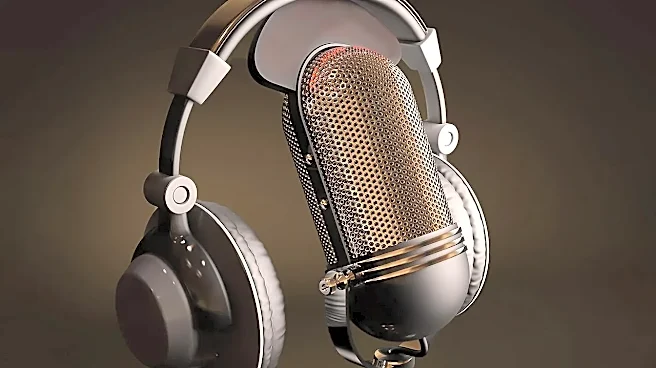
The first hurdle most people fall at is searching for the “best” microphone. But there is no single best mic, only the right mic for a specific job. A top-tier vocal microphone used by a pop star in a sound-treated studio might sound terrible in your
home office, picking up every echo and air conditioner hum. Conversely, the rugged mic a TV reporter uses on the street might not capture the delicate nuances of an acoustic guitar. A buyer's guide isn’t a treasure map to a single perfect product; it's a tool to help you diagnose your own needs. Are you recording one person in a quiet room, or a group discussion in a livelier space? Will the mic be on-camera? Will it need to handle loud sounds? Answering these questions is the first step toward a good purchase.
The Two Mic Universes: Dynamic vs. Condenser
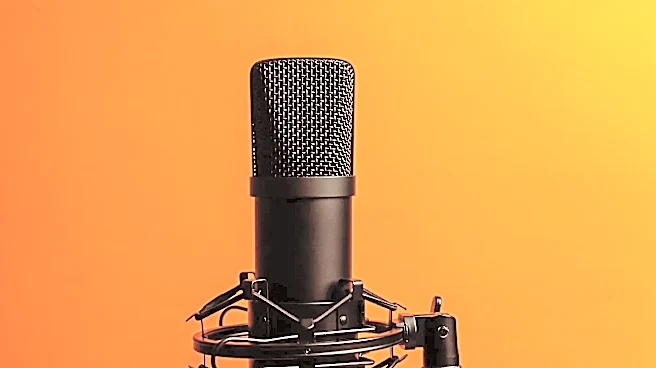
At the heart of most microphone decisions is a fundamental choice: dynamic or condenser. Think of a condenser microphone as a high-definition camera; it's incredibly sensitive and built to capture every detail, from the quietest whisper to the subtle textures in a voice. This makes them ideal for studio recording where the environment is controlled. That same sensitivity, however, can be their downfall in an untreated room, where they’ll happily record your computer fan and the neighbor's dog. Dynamic microphones are the opposite: they're like rugged workhorses. They are less sensitive by design, which makes them brilliant at rejecting background noise. This is why they are a favorite for live performances, podcasting in a home office, and broadcasting—they focus on the sound source directly in front of them and ignore much of the chaos around them. They don't require external phantom power, making them simpler to set up.
Where It Hears: Understanding Polar Patterns
Just as important as how a mic works is where it listens. This is called its polar pattern, and it’s the microphone's field of hearing. The most common pattern for streamers and solo podcasters is Cardioid. Imagine a heart-shaped bubble of sensitivity pointing away from the mic; it picks up what’s directly in front of it while rejecting sounds from the rear and sides. This is your best defense against keyboard clicks and room echo. An Omnidirectional pattern, as the name suggests, picks up sound equally from all directions. It’s great for capturing the ambiance of a room or for putting in the middle of a table for a group discussion. A Bidirectional, or figure-8, pattern picks up sound from the front and the back, but not the sides, making it perfect for a two-person interview across a desk. Using a mic with the wrong pattern for the job is a guaranteed path to poor audio.
The Hidden Costs of a Bad Match
Choosing the wrong microphone has costs that go far beyond the initial purchase price. The most significant cost is your time. For every minute of audio captured with the wrong mic—say, a sensitive condenser in a noisy room—you could spend five minutes in post-production trying to remove hiss, echo, and background noise. Often, these problems can't be fixed cleanly, leading to distorted, robotic-sounding audio that tanks your content's professionalism. For creators, poor audio quality is a primary reason viewers or listeners will click away. For professionals on a remote call, it can make you sound distant, unclear, and unprofessional. The goal of good audio is for no one to even notice it; the goal of bad audio seems to be to ensure everyone does. A little research upfront in a buyer's guide prevents a massive headache on the back end.