








The Power of a Unified Identity
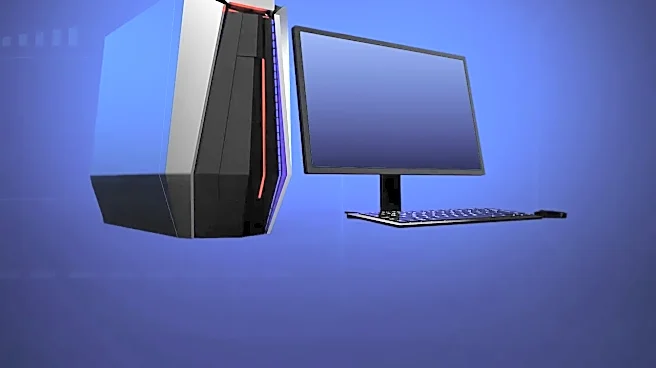
Take a look at Alienware’s current offerings—from the powerhouse Area-51 and Aurora desktops to the M-series laptops and the full suite of peripherals like monitors, keyboards, and headsets. You’ll notice something deliberate: they all speak the same
design language. This consistent aesthetic, known as the Legend design, isn't just for looks. It’s a strategy to create a complete, immersive environment. When your laptop, monitor, and mouse all share the same futuristic contours and lighting schemes, it fosters a sense of belonging to an exclusive club. This isn't just selling a product; it’s selling an identity. This approach builds a premium experience that justifies the price tag by making the whole feel greater than the sum of its parts, a tactic few competitors have managed to replicate so thoroughly.
The Software That Binds It All
The physical design is only half the story. The true centerpiece of the ecosystem is the Alienware Command Center. This software hub allows users to control everything from performance profiles and cooling to the signature AlienFX lighting across all their connected Alienware gear. It transforms a collection of individual products into a single, synchronized system. Want your keyboard, mouse, and PC case to pulse red when you’re low on health in a game? The Command Center makes that happen. This level of integration is key. It deepens the user experience beyond what's possible with a mix-and-match setup, creating a powerful incentive for customers to stay within the Alienware family for a seamless, controlled, and personalized gaming station.
A Testbed for the Mainstream
Alienware's influence extends far beyond its own customer base, acting as an innovation lab for its parent company, Dell. Technologies and design choices pioneered in Alienware products often find their way into Dell's more affordable G-Series gaming laptops. For example, advanced thermal solutions like vapor chamber cooling, first perfected in high-end Alienware machines, later appear in G-Series models to improve performance for budget-conscious gamers. This makes Alienware a crucial research and development engine. The premium prices paid by its core audience help fund engineering breakthroughs that eventually democratize high-performance gaming for a much wider market under the Dell brand. Recent reports even suggest Dell is phasing out the G-series to be replaced by new entry-level Alienware models, bringing the premium brand to a more accessible price point.
Expanding the Definition of Alienware
For years, Alienware focused almost exclusively on the high-performance, hardcore gaming segment. That's beginning to change. At CES 2026, the company announced plans to expand its portfolio into new categories, including ultra-slim laptops and more affordable entry-level models. This isn't a dilution of the brand but a strategic expansion. By offering a super-portable, stylish machine for the gamer who also needs a work device, and a budget-friendly option for new PC gamers, Alienware is aiming to capture a broader audience. The goal is to make the Alienware experience, once reserved for the most dedicated enthusiasts, accessible to nearly every type of PC gamer. This strategic pivot shows the brand is thinking about future market growth, not just serving its existing niche.