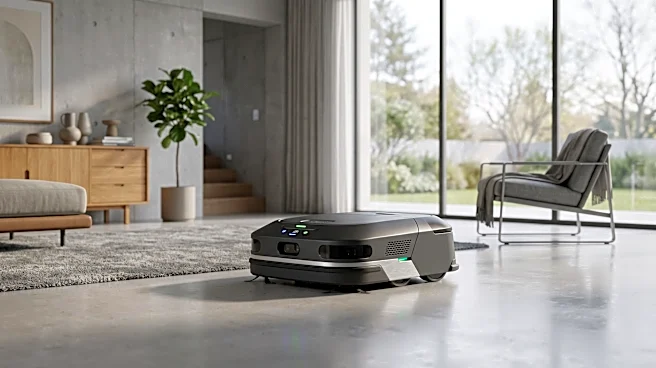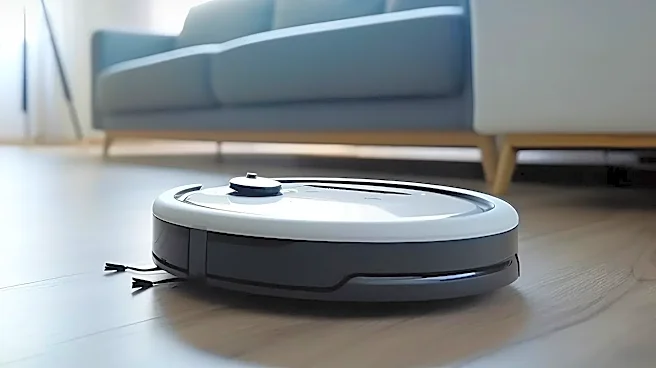

They started as glorified pucks that bumped into walls, but today's robot vacuums are sophisticated pieces of robotics. This shift changed how we view every smart device in our homes.
From Bumpers to Brains
If you look back a decade, the first generation of robot vacuums was, frankly, a bit of a joke. They were essentially blind machines that relied on physical impact to navigate. You would hear them thumping against your baseboards, a rhythmic reminder of their limited intelligence. They were novelty items—gadgets that promised convenience but often delivered more frustration than cleanliness. However, that era of 'dumb' automation is long gone. The industry underwent a massive technological leap, moving from simple collision sensors to advanced suites of cameras, lasers, and sophisticated mapping software. This wasn't just an incremental upgrade; it was a fundamental shift in how consumer hardware interacts with the physical world.
The Mapping Revolution
The real turning point was the introduction of true spatial awareness. Modern machines no longer just wander; they perceive. Using technologies like LiDAR and high-resolution cameras, these devices create digital blueprints of your living space. This capability changed the consumer expectation for all smart hardware. We stopped asking, 'Will this device work?' and started asking, 'How well does this device understand my environment?' This intelligence allows for features like virtual walls, where you can draw a digital line on a smartphone app to tell the vacuum to stay away from the dog's water bowl. It also enables zone cleaning, where the device can target a specific high-traffic area without wandering aimlessly through the rest of the house. This level of granular control turned a simple tool into a managed service.
The Rise of the All-in-One Hub
As the software got smarter, the hardware grew more ambitious. We have moved past the era of the single-function vacuum. Today's premium models are essentially miniature service robots. They don't just suck up dust; they mop floors with spinning, spring-loaded pads, detect the difference between a hardwood floor and a delicate rug, and even manage their own maintenance. The emergence of self-emptying docks has been a game-changer, reducing the human element of the chore to almost zero. Some high-end models can even wash and dry their own mopping pads or refill their water tanks automatically. This evolution from a single-task tool to a multi-functional, self-sustaining system has set a new benchmark for what we expect from 'smart' appliances in general.
The Reality Check
Of course, no technological revolution is without its compromises. While these machines are incredible at navigating under a low-profile sofa or keeping up with daily dust, they aren't magic. They still lack the raw suction power of a high-end upright vacuum and can't match the deep-cleaning agitation of a human with a brush. There is also the 'smart' tax: the complexity of apps and the need for constant connectivity. However, the impact of the robot vacuum on the broader tech landscape is undeniable. They proved that consumers were willing to pay a premium for autonomy—for devices that don't just assist us, but actually take the task off our plates entirely.