







Beyond the Spec Sheet
When you’re comparing security cameras, it’s easy to get lost in the technical details. One box boasts 4K resolution, another promises 2,000 lumens, and a third claims a 180-degree field of view. While these numbers are important, they represent isolated
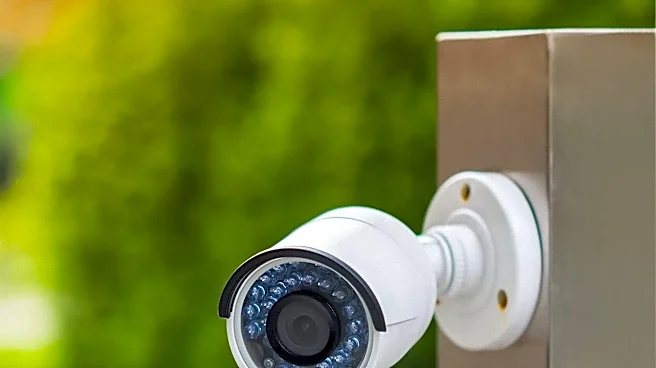
features. A floodlight camera isn't just a camera with a light bolted on; it’s an integrated system where the whole is far greater than the sum of its parts. The magic isn’t in the individual components, but in their seamless interaction. This combination transforms a passive recording device into an active security system, creating benefits that can't be quantified in megapixels or brightness levels alone.
The Power of Active Deterrence
The single most significant advantage of a floodlight camera is its ability to actively deter intruders. A standard camera records an event; a floodlight camera can stop it from happening. Criminals thrive in darkness and anonymity. The sudden, brilliant illumination from a motion-activated floodlight is startling and exposes them completely, creating a powerful psychological deterrent that often sends them fleeing before they can even attempt a break-in. This isn't just about lighting up a space; it's about creating an immediate, attention-grabbing event. Many systems also pair this with a loud siren or two-way audio, allowing you to verbally warn off a trespasser, adding another layer of active defense that a discreet, non-illuminating camera simply can't match.
Superior Evidence, Day or Night
While deterring crime is the primary goal, recording useful evidence is a close second. At night, traditional security cameras rely on infrared (IR) technology, which produces grainy, black-and-white footage. While IR can see in total darkness, it makes identifying crucial details like clothing color or facial features extremely difficult. Floodlight cameras solve this problem by bathing the scene in bright, white light the moment motion is detected. This allows the camera to record in high-definition color, even in the middle of the night. The difference is dramatic. Clear, color video provides law enforcement with far more useful information, significantly increasing the chances of identifying a suspect.
Smarter Alerts and Wider Coverage
Modern floodlight cameras are increasingly intelligent. They use a combination of sensors, often including passive infrared (PIR) and sometimes radar, to detect motion more accurately. Advanced models use AI-powered video analytics to differentiate between people, animals, and vehicles, drastically reducing the number of false alerts you receive from swaying trees or a passing cat. Furthermore, the integrated light serves a dual purpose. It not only enhances security but also provides practical, motion-activated lighting for your driveway, backyard, or patio. This means you get a powerful security device and a useful home utility in one package, covering a large area with both light and surveillance.
Integration Into the Smart Home
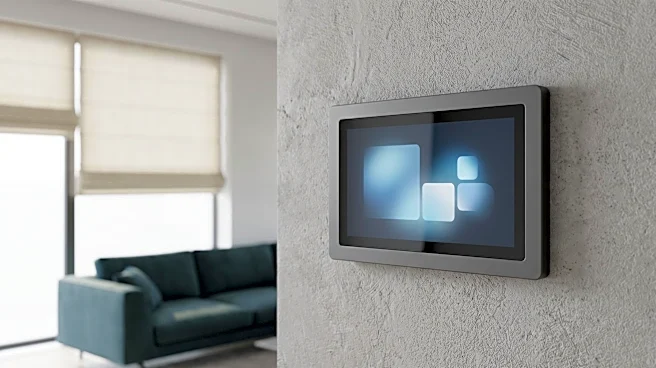
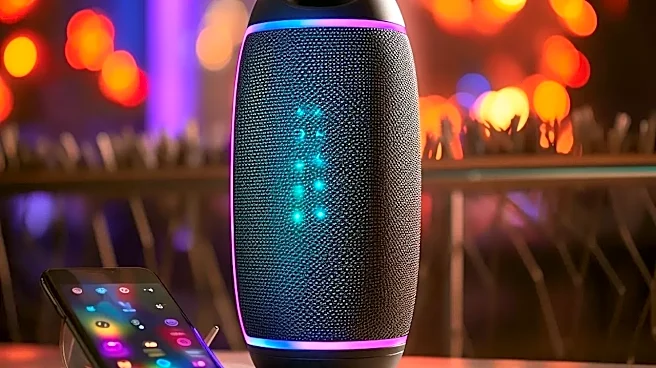
A standalone device has limited potential. The real power of today's floodlight cameras is unlocked when they are connected to a broader smart home ecosystem. They can be linked to voice assistants, smart displays, and other security devices. For instance, if the floodlight camera on your garage detects a person, it could trigger your smart speakers to announce the activity, display the video feed on your TV, and turn on other outdoor lights. This level of integration creates a responsive, automated security network that makes your entire home safer and more aware. It’s this interconnected intelligence—not just the hardware in a single box—that truly sets these devices apart from their less-integrated predecessors.