






From 'Stories' to a Strategy
Let's be honest: the road to smart glasses has been rocky. Early attempts from other companies were clunky, and Meta's first effort with Ray-Ban in 2021 was more of a camera on your face than a true smart device. But the updated versions in recent years,
which integrated Meta's AI, started to show the real potential. Users could ask the glasses questions about what they were seeing in real time. While still a niche product, they proved a crucial point: a stylish, wearable computer wasn't a total fantasy. It just needed a better 'brain.' However, the inclusion of cameras also led to significant privacy backlashes and an unfortunate 'pervert glasses' nickname after reports of misuse.
The AI Brain Gets a Major Upgrade
This is where Meta Connect 2026, scheduled for September 23-24, comes in. The central theme is the evolution from phone-based AI to wearable, ambient assistants that are always with you. Rumors and reports suggest Meta is preparing to take a major step forward by baking more powerful, generative AI directly into its wearables. This isn't just about asking simple questions; it's about having an AI that understands your context, anticipates your needs, and interacts with you in a more natural way. Think of it as the difference between manually searching for a recipe on your phone versus your glasses seeing the ingredients on your counter and suggesting what to make.
Solving the 'Creep' Factor
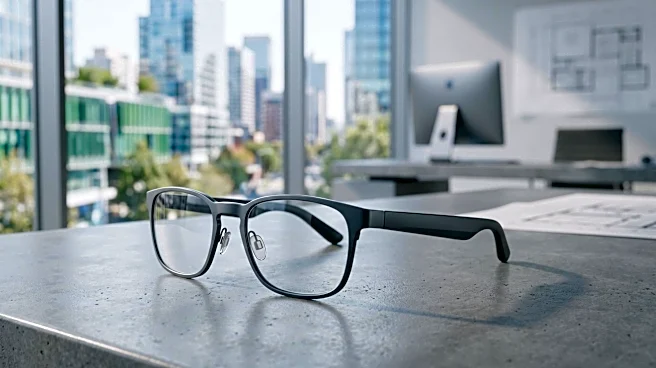
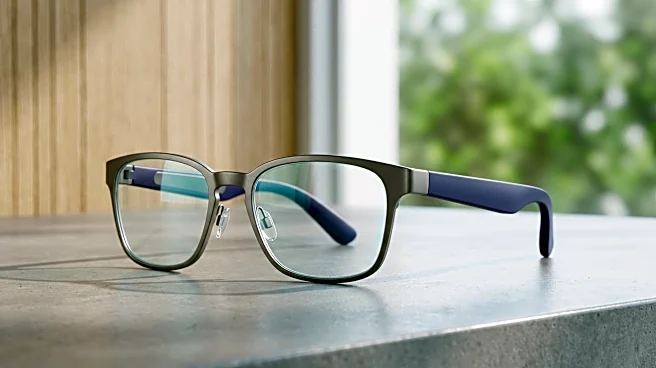
Meta also appears to be tackling the privacy problem head-on. Leaks point to the introduction of a new line of smart glasses, codenamed 'Luna,' that will be intentionally camera-free. These devices would focus entirely on audio-based interaction with the Meta AI assistant through a series of microphones and speakers. By removing the camera, Meta sidesteps the largest ethical and social hurdle that has plagued the category. This move suggests a two-pronged strategy: offer the full 'see what I see' experience for those who want it, while providing a more socially acceptable, voice-only AI assistant for everyone else. This could dramatically broaden the appeal of wearing an AI on your face.
It's Not Just About Glasses, It's About the Platform
Perhaps the most significant part of Meta's strategy isn't a single device, but the ecosystem it's building. CEO Mark Zuckerberg has been clear about his goal: to establish the next major computing platform. By controlling the hardware (glasses, and potentially a companion smartwatch) and the AI software, Meta can create a new digital world that doesn't rely on Apple's or Google's app stores. The company has reportedly set aggressive sales targets, aiming to ship over 14 million smart glasses in 2026. To get there, Meta Connect is expected to feature new tools for developers, allowing them to start building apps and experiences for the glasses, a critical step for any new platform to succeed. This transforms the glasses from a simple gadget into the foundation for a whole new market.
The Path to 'Inevitable'
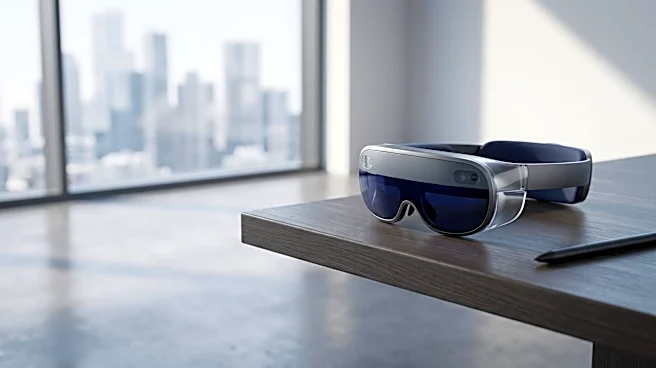
The word 'inevitable' doesn't mean everyone will be wearing AI glasses by Christmas. It means the pieces are falling into place for the category to become a permanent fixture in our technological landscape. Better hardware, more sophisticated AI, a clearer strategy to address privacy, and a push to build a developer ecosystem are the key ingredients. Meta is betting that Connect 2026 is the moment it demonstrates it has a viable recipe. The combination of more fashionable, camera-free options alongside more powerful, camera-equipped models and display-enabled versions could normalize the idea of wearable AI. Just as the first iPhone wasn't perfect but made the smartphone's future feel certain, Meta's upcoming showcase aims to do the same for glasses.