





The Ghost of Glass Past
To understand the comeback, you have to remember the crash. Launched to a select group in 2013, Google Glass was supposed to be the future. It promised a hands-free, heads-up display for your life. Instead, it delivered awkwardness. The design was clunky,
the battery life was poor, and the heads-up display was distracting. But the fatal flaw was social. With a visible camera and no clear etiquette, wearers were viewed with suspicion, earning the infamous nickname "Glassholes." The device made people uncomfortable. It wasn’t just a product failure; it was a social one. Google Glass tried to be a computer on your face before it learned how to just be a pair of glasses.
A Different Strategy: Smaller, Smarter, Subtler
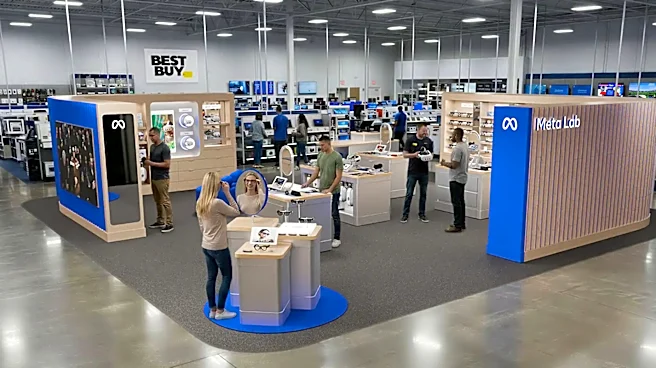
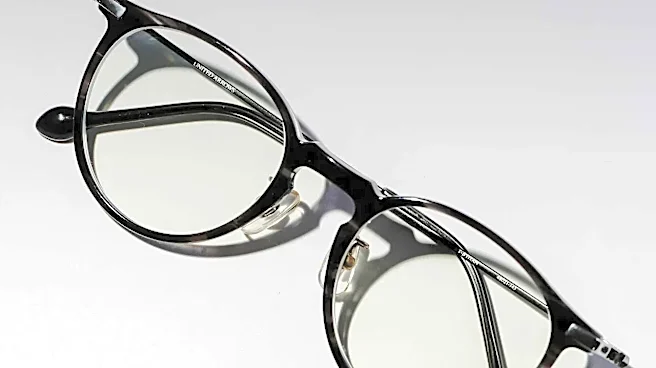
The smart glasses of 2026 are not trying to resurrect Google Glass. They are succeeding because they learned from its mistakes. The biggest shift is a change in ambition. Instead of trying to be a smartphone replacement on your face, today's models, like the popular Meta-Ray-Ban line, focus on a few key features done well. They offer hands-free audio for music and calls, a quick-capture camera for photos, and voice-activated AI assistants. Crucially, they look like normal glasses. The tech is integrated so discreetly that most people won't notice it, solving the social awkwardness that plagued the original Glass. This subtlety is the core of the comeback.
The Market Wakes Up
The numbers for 2026 are staggering. Shipments of smart glasses without displays surged 167% in the first quarter of the year, with nearly as many units sold in three months as in all of 2024. The market is now projected to be worth over $3 billion in 2026, with forecasts expecting it to grow to over $14 billion by 2033. Meta currently dominates the market, holding a nearly 70% share thanks to its partnership with eyewear giant EssilorLuxottica. But competition is heating up. Google is making a serious return with partners like Samsung and Warby Parker, aiming to leverage its AI prowess with Android. This fresh competition is driving innovation and, importantly, lowering prices, with the average cost expected to drop significantly by 2030.
Why Now? Tech and Culture Caught Up
Several forces aligned to make this comeback possible. First, the technology matured. Batteries became smaller and more efficient, micro-speakers deliver clear audio without earbuds, and cameras are now tiny. Second, the rise of AI voice assistants like Siri and Google Assistant has made voice a natural, primary interface for a device without a screen. Third, our culture has changed. After a decade of smartphones, we're more accustomed to cameras being everywhere, which has softened (though not eliminated) the privacy concerns that were so sharp in 2013. Today's smart glasses aren't just a better product; they have arrived in a world that's better prepared for them.