



The Raw Idea vs. The Ready Product
TechCrunch Disrupt, held in the heart of Silicon Valley, is the quintessential arena for raw, unproven ideas. It's where founders, often in the pre-seed or seed stage, come to validate a concept and find their first believers. The atmosphere is one of 'fail-fast
and dream-big' culture, centered on the Startup Battlefield where companies compete for $100,000 in equity-free funding. The AI on display here is frequently about foundational models, new software-as-a-service (SaaS) platforms, and enterprise workflows. The core question at Disrupt is 'What if?'. It’s a showcase of potential, where the 'truth' is about the conceptual frontier of artificial intelligence and its power to rewrite industries from the code up.
The Global Marketplace vs. The Venture Pitch
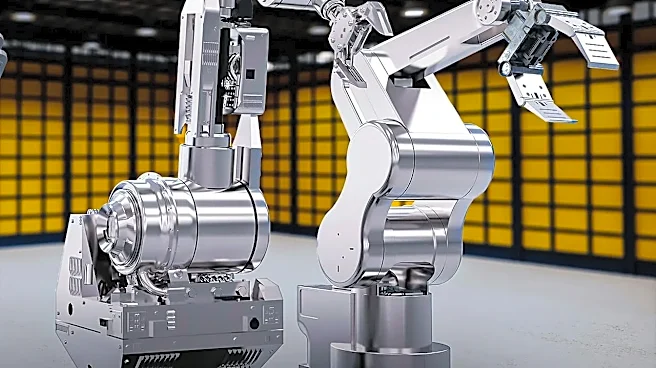
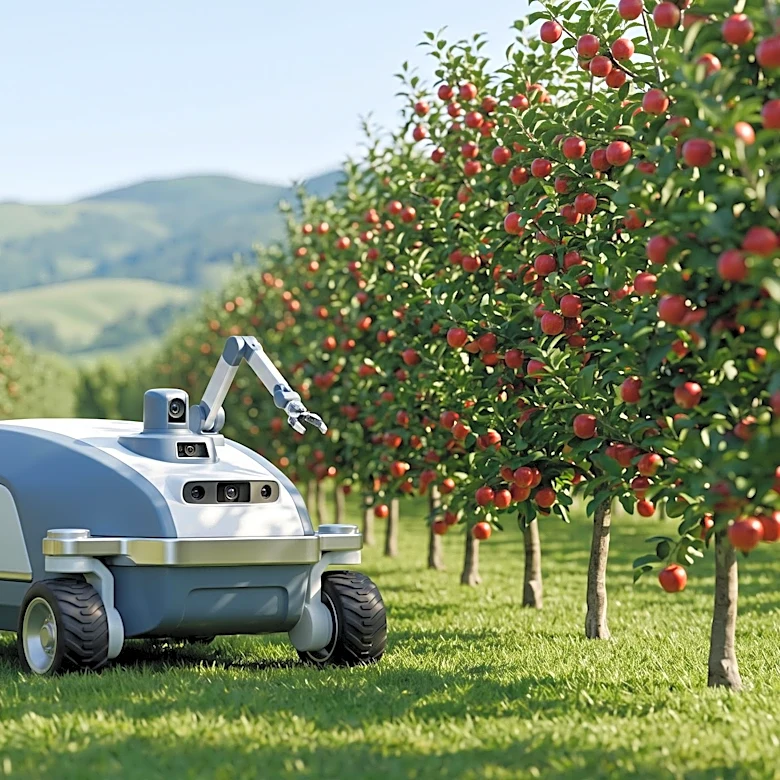
CES in Las Vegas, by contrast, is the world's commercialization engine. It's a sprawling, global marketplace where the primary audience isn't venture capitalists, but corporate buyers, distributors, and the mainstream press. While Disrupt is about the pitch deck, CES is about the purchase order. AI here is less about abstract models and more about 'physical AI'—intelligence embedded in the products we use every day. Think AI-powered vehicles, smart home robots, allergen detectors, and advanced wearables. The startups at CES, even those in the dedicated 'Eureka Park' zone, are typically further along, with a tangible product ready for partnership or market entry. The 'truth' revealed at CES is one of application and scale: where AI is today and how it's being packaged for consumers and businesses.
The Audience Dictates the Narrative
The audience at each event fundamentally shapes what kind of AI gets shown. TechCrunch Disrupt attracts over 10,000 attendees, but its soul is the interaction between founders, tech executives, and venture capitalists looking for the next big thing. Conversations revolve around architecture, scalability, and market disruption. Sessions focus on the strategic decisions of building on open vs. closed models or creating a safety culture for AI deployment. CES, with its staggering 148,000+ attendees, draws a much broader crowd. Here, the key players are buyers from major retailers, automotive giants like Hyundai and BMW, and consumer electronics leaders such as Samsung and LG. The narrative for an AI startup at CES must be simpler and more direct, focusing on features, benefits, and integration into existing supply chains.
Two Halves of the Same AI Story
Ultimately, Disrupt and CES are not competitors for an AI startup's attention as much as they are different chapters in its potential story. An AI company might debut its core algorithm to attract funding at Disrupt one year, and then return two years later at CES with a physical product powered by that same algorithm. Disrupt tells you where the sharpest minds think AI is going. You’ll hear from leaders at OpenAI and Anthropic about deploying models and what it means to be an AI-native organization. CES tells you where AI is. It shows how those complex models are being translated into practical, and often life-changing, applications for the mass market. One stage is for proving the technology is possible; the other is for proving it is profitable and useful to millions.