



A Kingdom Built in 10 Days
It’s hard to overstate how big MySpace was in the mid-2000s. Launched in 2003, it was coded in just 10 days and quickly became the internet's primary hangout. From 2005 to 2008, it was the largest social network in the world. It wasn't just a website;
it was a cultural force, launching the careers of artists like Adele and Panic! At The Disco. Users spent hours customizing their profiles with HTML, choosing their "Top 8" friends, and setting a profile song that became their personal anthem. For millions of teens and young adults, MySpace wasn't just a site they visited—it was their corner of the internet.
The Half-Billion Dollar Mistake
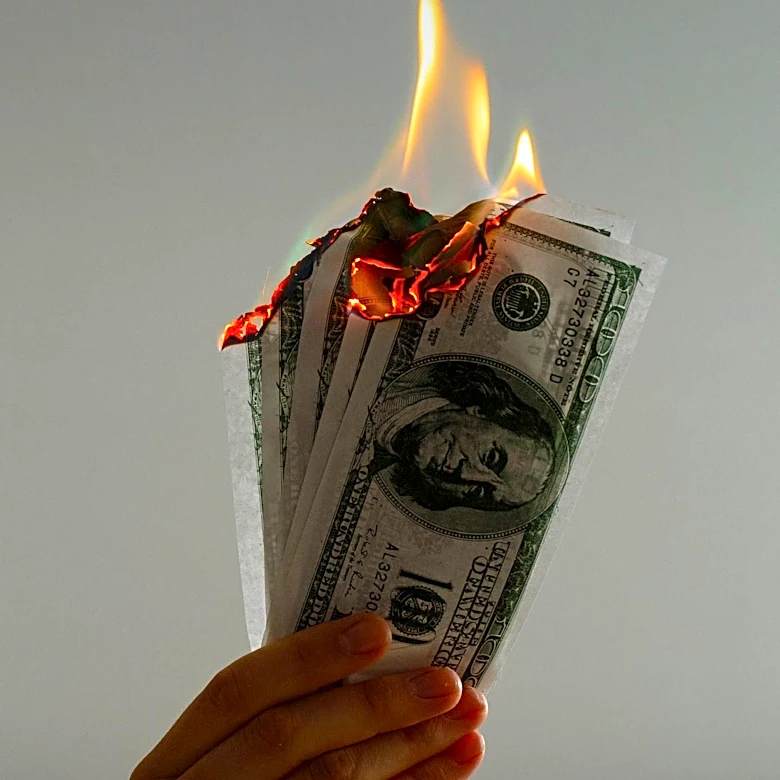
The beginning of the end came in July 2005, when Rupert Murdoch's News Corporation bought MySpace for $580 million. On the surface, it looked like a massive validation. But the acquisition marked a fatal culture shift. The scrappy, user-focused startup was now part of a traditional media empire, and News Corp's priority wasn't innovation; it was immediate profit. Executives, who had little understanding of social media, saw MySpace as a cash cow. The pressure to monetize led to a relentless focus on advertising revenue, a decision that would soon poison the user experience.
Coded to Fail
While News Corp focused on squeezing ad dollars out of the site, the product itself began to rot. MySpace was notoriously slow and buggy. The customizable profiles, once a key feature, became a chaotic mess of clashing backgrounds, auto-playing music, and glittery GIFs that made pages slow to load. Meanwhile, a new competitor, Facebook, was gaining ground with a clean, standardized, and much faster interface. MySpace failed to innovate, sticking to its portal strategy while Facebook continuously added features that improved the core social experience. A three-year, $900 million ad deal with Google also locked MySpace into plastering its pages with even more ads, making the site clunky and unpleasant to use.
Losing the Cool Factor
The focus on aggressive monetization had a devastating effect. The site became cluttered with invasive banner ads and spam. Users felt the platform had been taken over by corporate interests that didn't care about them. The freedom to customize, which once felt empowering, now contributed to a visually exhausting and often unsafe environment. Concerns grew over the number of predators on the loosely moderated site, prompting a massive cleanup effort that removed tens of thousands of accounts. As the user experience degraded, the users fled. Between 2009 and 2011, MySpace lost users at a catastrophic rate, with traffic falling by nearly 45% in one year alone.
The Untouchable Ghost Town
By the time News Corp was ready to admit defeat, the brand was toxic. In June 2011, the company sold MySpace for just $35 million—a staggering loss from its $580 million purchase price and a tiny fraction of its peak $12 billion valuation. The buyers, an ad-targeting firm and the singer Justin Timberlake, inherited a digital ghost town. Subsequent redesigns and a pivot to a music-focused entertainment hub failed to bring users back. The platform became truly untouchable: a brand so damaged that even its vast library of user data couldn't save it. A server migration error in 2019 that lost 12 years of user-uploaded music and content was the final, tragic footnote to a story of neglect.