




The VRAM Wall
When you are running Large Language Models (LLMs) or heavy image generation workloads locally, the most important spec is not how many frames per second you can pump out in a video game. It is the Video RAM (VRAM). Think of VRAM as the workspace where
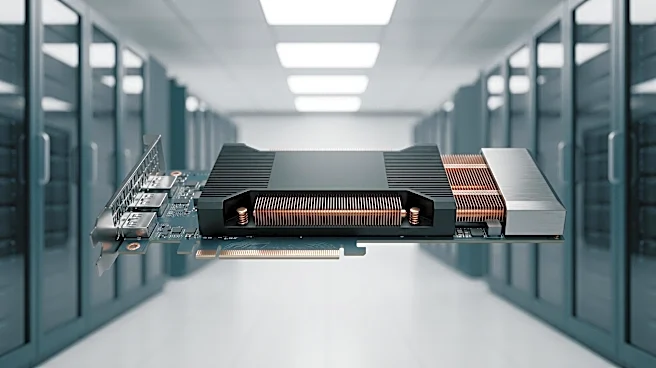
your model lives. If the model is larger than your workspace, it simply won't run, or it will run so slowly it becomes useless. Most consumer gaming cards released in recent years top out at 12GB, 16GB, or perhaps 24GB on high-end models. While that is great for playing the latest AAA titles, it is a massive bottleneck for AI. Enterprise-grade cards, even older used ones, often offer much larger memory pools, sometimes reaching 48GB or more, allowing you to load much more sophisticated models without hitting a wall.
Price per Gigabyte vs. MSRP
Retailers love to scream about percentage discounts off the Manufacturer's Suggested Retail Price (MSRP) during holiday sales. But for an AI enthusiast, MSRP is a distraction. A smart way to evaluate value is to look at the price per gigabyte of VRAM. A gaming card might be 30 percent off, but if it only has 12GB of memory, you are paying a premium for speed you might not fully utilize for inference. In contrast, a used enterprise card might have a higher upfront cost than a budget gaming card, but its price per usable gigabyte is often significantly lower. When you are trying to maximize the intelligence of your local setup, capacity is the metric that actually moves the needle on what you can accomplish.
The Reliability Equation
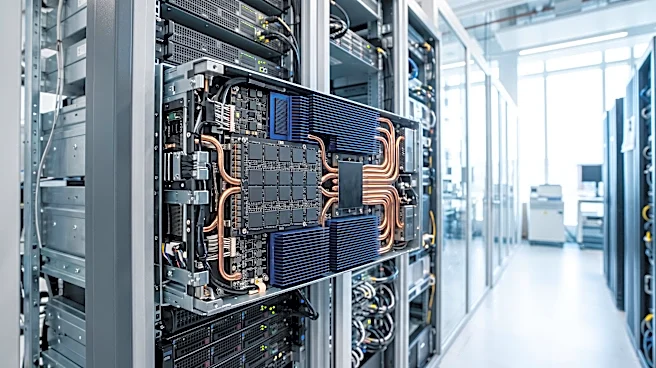
There is a common misconception that used hardware is inherently a bad bet. While it is true that buying used carries risks—such as checking fan health, connector integrity, and thermal performance—enterprise hardware was built for a different kind of life. These cards were designed to run in data centers, often under heavy, continuous loads. While a gaming card is built for bursts of intense activity followed by periods of idle time, enterprise cards are engineered for stability and longevity in professional environments. If you do your homework—verifying temperatures and ensuring the card fits your power supply and chassis—a used professional card can offer a level of sustained performance that consumer hardware struggles to match.
The Hidden Costs of Ownership
Choosing between owning hardware and renting cloud tokens is a classic economic puzzle. Some vendors claim that owning your own hardware can break even even at modest utilization rates, sometimes below 60 percent. This is especially true if you can utilize your hardware during 'off-hours,' such as running background tasks or security scans overnight while you sleep. However, the math changes based on your specific workload. A gaming card might be cheaper to run in terms of raw electricity, but if it lacks the capacity to handle your specific models, you will end up paying the 'tax' of renting cloud compute to get the job done. The real winner is the hardware that allows you to become your own 'token factory' without constant monthly subscriptions.