


Meta's pivot to AI dominance is one of the biggest stories in tech, marked by dazzling demos and massive spending. But behind the software, a colossal physical expansion is underway, with hidden infrastructure costs that reveal the true price of building
a new digital world.
1. The Staggering Energy Bill
The most fundamental cost is power. AI data centers are notoriously energy-hungry, with a single AI-focused 'hyperscale' facility consuming as much electricity as 100,000 homes or more. Meta's planned Hyperion data center in Louisiana, for instance, is projected to draw more power at full capacity than the entire city of New Orleans. This immense demand strains local grids and forces companies like Meta to become major players in energy markets, investing heavily in renewable energy projects to offset their footprint and secure a stable power supply for decades to come.
2. A Voracious Thirst for Water
Servers running complex AI models generate immense heat, and keeping them cool requires a staggering amount of water. A large data center can use up to 5 million gallons of water every day, equivalent to a city of 50,000 people. This has sparked controversy in water-stressed regions. In response, Meta is designing new facilities with advanced liquid cooling systems and investing in water restoration projects with the goal of becoming 'water positive' by 2030, aiming to restore more water than its operations consume.
3. The Great Land Grab
AI doesn't live in the cloud; it lives in massive, nondescript buildings on huge plots of land. Proximity to power substations and fiber optic networks is critical, igniting a real estate frenzy. In prime markets like Northern Virginia's 'Data Center Alley', land prices have surged past $2 million per acre. Developers are in a fierce competition for suitable sites, often requiring 40 acres or more, driving up land values and creating challenges for local housing and other types of development.
4. The Custom Chip Gamble
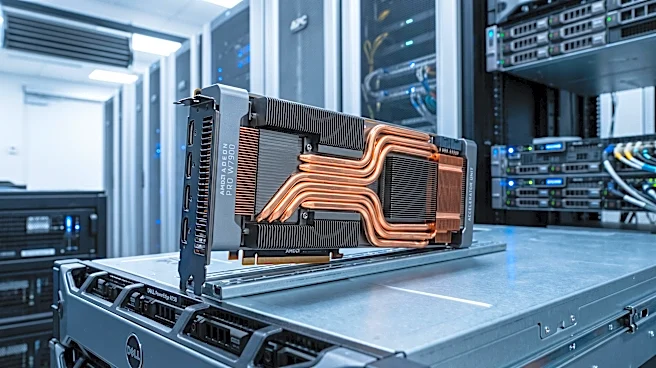
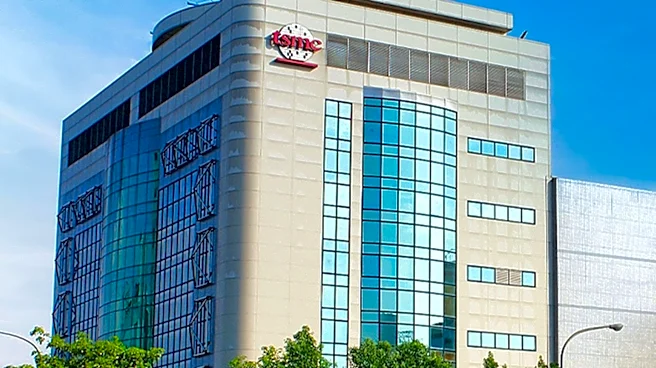
While Meta still buys billions in chips from Nvidia and AMD, it's also pouring resources into designing its own custom silicon, known as the Meta Training and Inference Accelerator (MTIA). This involves immense R&D costs and complex partnerships with designers like Broadcom and manufacturers like TSMC. The goal is to create chips optimized for its specific workloads, reducing long-term energy use and costs. However, it's a highstaked gamble; Meta previously canceled a more ambitious chip project after deeming it too expensive.