






In the background of our hyper-connected world, a battle is constantly being fought to keep digital information safe. As networks grow more complex, so do the threats. This is where specialized training comes in, quietly but powerfully.
Why Niche Certifications Matter
In the world of
IT and cybersecurity, big names like Cisco and CompTIA often dominate the conversation around professional certifications. They are foundational, providing broad knowledge across networking and security principles. Yet, as cyber threats become more sophisticated and network environments more diverse, specialized expertise on specific security platforms is becoming invaluable. This is where vendor-specific credentials, like those from WatchGuard, offer a distinct career advantage. While less known to the general public, WatchGuard has carved out a significant niche, particularly in the small to mid-sized enterprise (SME) market, by offering robust, all-in-one security appliances. For an IT professional, a WatchGuard certification signals a practical, hands-on ability to configure, manage, and troubleshoot the very hardware and software that protects a company’s digital assets from the ground up. It’s a credential that says you don't just understand the theory of cybersecurity; you know how to implement it on a leading platform.
The Foundation: Network Security Essentials
For anyone starting with WatchGuard, the Network Security Essentials certification is the key starting point. This credential validates the core competencies needed to manage WatchGuard's Firebox firewall appliances. The exam covers fundamental but critical skills like firewall policy creation, virtual private network (VPN) configuration for remote and branch office access, network monitoring, and implementing essential security services. Passing this exam demonstrates that a professional can handle the day-to-day administration of a company's primary defense against external threats. It proves they can set up secure connections for remote workers—a non-negotiable skill in the modern hybrid workplace—and ensure the network's integrity, confidentiality, and availability. Given the high demand for skilled security professionals, this certification can significantly enhance job prospects and provide a clear path for career growth.
The Modern Mandate: Secure Wi-Fi
Wireless networks are no longer a convenience; they're the backbone of modern business operations, supporting everything from employee laptops to a vast ecosystem of Internet of Things (IoT) devices. But this convenience comes with inherent security risks. The WatchGuard Secure Wi-Fi Essentials certification directly addresses this, focusing on the knowledge required to deploy and manage secure wireless networks using WatchGuard's access points. This certification covers general wireless concepts, radio frequencies, and deployment best practices, but more importantly, it dives into the specifics of using WatchGuard's tools to protect the airwaves. Topics include configuring the Wireless Intrusion Prevention System (WIPS) to fend off rogue access points and other wireless threats, setting up secure guest networks, and managing access points from the cloud. In an era of 'bring your own device' (BYOD) policies and smart office technology, the ability to secure a wireless environment is a highly sought-after and critical skill.
Beyond the Firewall: Identity and Authentication
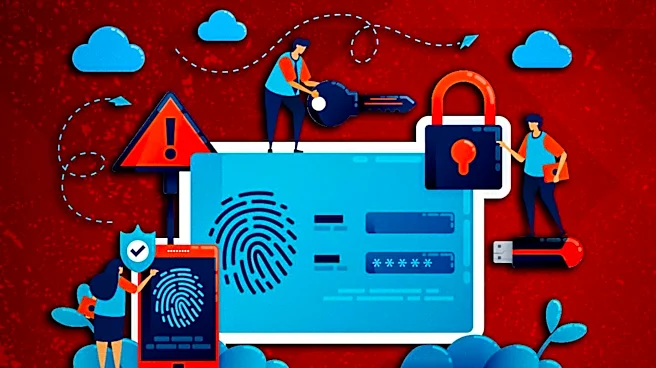
Today's security perimeter isn't a physical location; it's centered on user identity. Recognizing this, WatchGuard has expanded its offerings to include robust multi-factor authentication (MFA) through its AuthPoint solution. The AuthPoint certification validates expertise in a critical area of modern security: ensuring that users are who they claim to be. This credential covers the deployment and management of MFA across various environments, including logins to workstations, VPNs, and cloud applications. A key feature of AuthPoint is its use of a mobile device's unique 'DNA' to approve authentications, which prevents attackers from gaining access even if they manage to clone a user's phone. With credential theft being a primary vector for major data breaches, having certified knowledge in implementing strong authentication is a powerful asset for any IT professional and a huge step toward a zero-trust security model.