


The Stage vs. The Research Paper
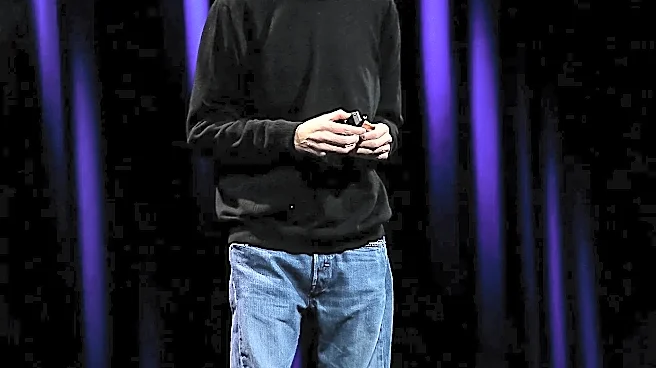
First, look at the presentation itself. An Apple event is a masterclass in narrative control. It’s a highly produced, theatrical showcase designed for a global consumer audience. Every feature is framed as a benefit, every demo is flawless, and the entire
event tells a coherent story about a finished product you can buy. The goal is to create desire. By contrast, major AI announcements often arrive via a research paper, a blog post, a developer livestream, or even a series of posts on X. The audience is frequently other developers and researchers. The presentation can be messy and technical, focusing on performance benchmarks and new capabilities, not necessarily polished user experiences. One is a finished movie; the other is a public look at the raw script.
The Integrated Product vs. The Foundational Platform
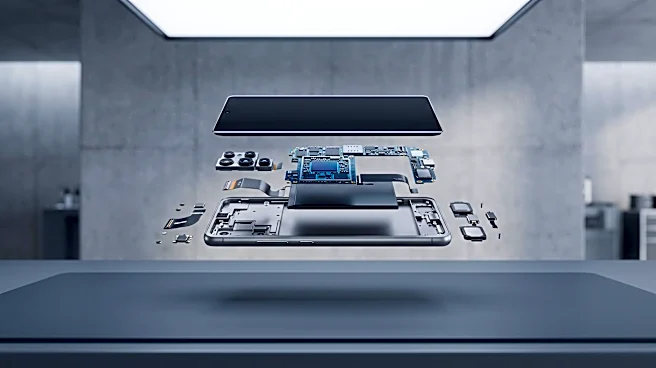
Apple sells a complete, integrated thing: a phone, a watch, or a computer. Its AI features, branded as Apple Intelligence, are embedded to make those devices better and strengthen the ecosystem. The iPhone 18's A20 Pro chip, for example, is built to run AI tasks efficiently on the device, prioritizing privacy and seamlessness. AI companies, on the other hand, often release foundational models or platforms. They’re providing the powerful engines—the raw intelligence—that other companies can build on top of. Think of Apple as a car manufacturer selling a perfectly engineered vehicle. An AI lab is more like a company that has invented a revolutionary new type of engine, which it will then sell to any carmaker who wants it.
The Walled Garden vs. The Wild West
This leads to the biggest philosophical difference: control. Apple’s “walled garden” is famous. The company controls the hardware, the software, the app store, and the user experience from end to end. This ensures quality and security but can limit user and developer freedom. The AI world is a chaotic mix of approaches. You have closed, proprietary models from companies like Google and OpenAI, which function a bit like Apple's ecosystem. But you also have a thriving open-source community, with powerful models being released for anyone to use and modify, often from developers in places like China. This fosters rapid, unpredictable innovation but comes with fewer guardrails.
The Metrics for Success
How you measure a “win” is completely different for each. For Apple's iPhone 18 and its rumored foldable, the metrics are straightforward: How many units did they sell? Did the stock price go up? How does the new camera or battery life resonate with customers? Success is measured in market share and profit margins. For an AI announcement, success is more abstract, at least initially. It’s measured in benchmark scores (how well does it perform on standardized tests?), developer adoption (are people building cool things with it?), and its perceived leap in capability. A model can be a massive technical success years before it generates significant revenue.
The Vision of the Future
Ultimately, the two events present competing visions of the future. Apple’s vision, demonstrated through its hardware events, is one of iterative perfection. It’s about making our personal technology more intuitive, more personal, and more seamless. It’s a future you can hold in your hand. The vision presented by major AI announcements is more radical and abstract. It’s a future where intelligence itself is a utility, capable of transforming entire industries, automating vast swaths of knowledge work, and fundamentally changing our relationship with information. One is perfecting the tools we use, while the other is trying to reinvent the nature of work itself.