








More Than a Celebrity Sideshow
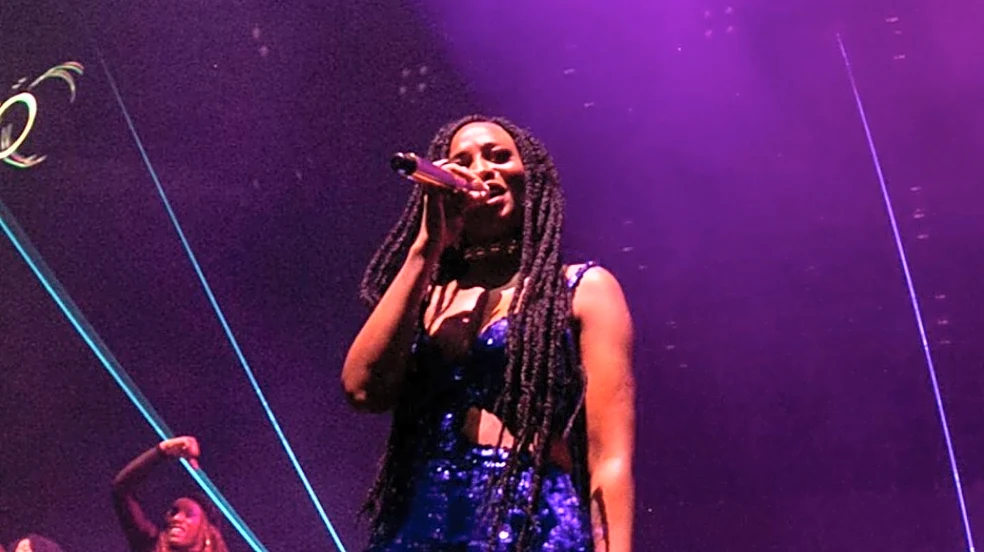
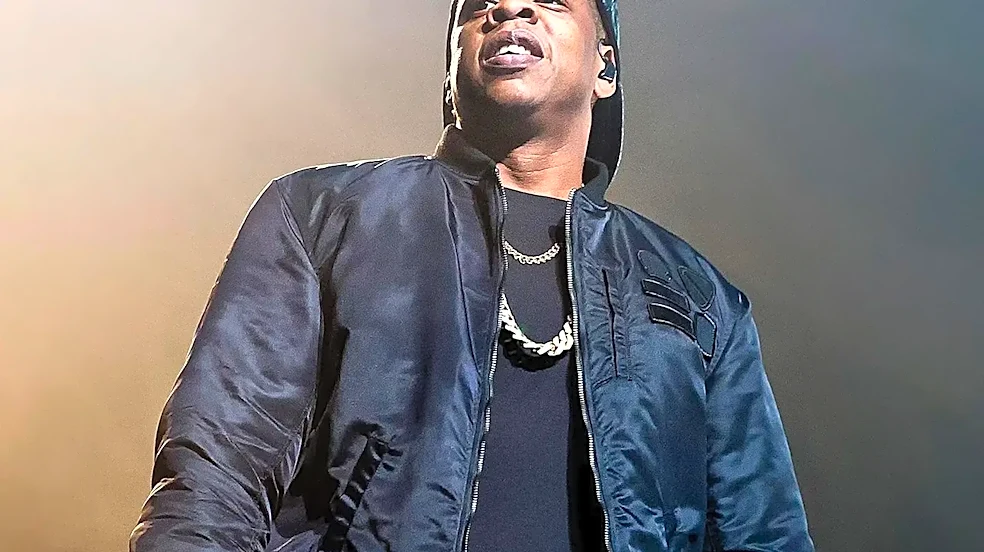
When Jay-Z acquired the Norwegian service Aspiro and relaunched it as Tidal in 2015, the narrative was dominated by its star-studded ownership group, including figures like Beyoncé, Madonna, and Kanye West. The launch event, where Alicia Keys spoke of
a 'revolution' to change music history, was widely viewed with skepticism. Critics dismissed it as an elitist project by the one percent of pop music. But beneath the surface of this celebrity-fueled spectacle was a company with a history rooted in a simple, powerful idea. The original service, WiMP, was already focused on high-quality audio streaming long before Jay-Z's involvement. The relaunch wasn't just about creating an artist-owned platform; it was about elevating the value of music itself, a mission that the headlines often missed.
The High-Fidelity Gambit
Tidal's most significant, and perhaps most enduring, contribution was its unwavering focus on high-fidelity, lossless audio. At a time when competitors like Spotify were built on a model of highly compressed audio files optimized for convenience over quality, Tidal staked its identity on delivering music as the artists intended it to be heard. For a monthly premium, subscribers could access CD-quality (and later, studio-master-quality) sound. This was initially seen as a niche play for audiophiles, but it planted a crucial seed. By making audio quality a key differentiator, Tidal forced the entire market to reconsider its standards. Years later, a wave of competitors followed suit; Amazon Music launched its HD tier in 2019, Apple Music rolled out lossless audio at no extra cost in 2021, and Spotify finally began introducing its own lossless feature in 2025. Tidal didn't win the subscriber war, but its argument for better sound ultimately won the argument.
A New, Complicated Deal for Artists
The other pillar of Tidal's mission was to create a more equitable payment system for artists. Jay-Z and the other co-owners argued that dominant streaming models devalued music by paying fractions of a cent per stream. Tidal promised to pay out a higher percentage of royalties to artists and songwriters. Reports consistently show Tidal's per-stream payout is significantly higher than Spotify's—often by a factor of three or four. The platform also championed artist-friendly initiatives like fan-centered royalties, where a subscriber's money goes directly to the artists they listen to. While its smaller subscriber base means the total revenue for most artists remains higher on larger platforms, Tidal's vocal stance forced a public conversation about compensation that continues to shape the industry. It became a proof of concept that alternative models were possible, even if they couldn't single-handedly fix a complex economic problem.
The Ripple Effect of Exclusivity
For a brief period, Tidal became the epicenter of culture-defining album drops. Beyoncé's 'Lemonade' and Kanye West's 'The Life of Pablo' were both initially released as Tidal exclusives, causing massive subscriber surges and mainstream frustration. This strategy was controversial and ultimately unsustainable, as most albums eventually made their way to other platforms. However, its impact was undeniable. The 'exclusive window' strategy demonstrated that individual albums could be powerful levers for platform growth, a tactic that streaming services in both music and video would later adopt more broadly. It underscored the power of artists to drive business, reinforcing Tidal’s core message: the creators, not just the platforms, hold immense value.