





The Great Security Misconception
For years, the marketing for smart locks focused on a single, seductive promise: better security. But as consumer education caught up with the hype, a crucial distinction emerged that changed the industry. A smart lock is not a physical shield. It does
not change the strength of your deadbolt or the strike plate where most forced entries occur. If you are looking for a door that can withstand a heavy kick, the electronic guts of a smart lock won't help you much. Instead, buying guides began to pivot the conversation away from physical force and toward access management. This realization shifted the value proposition from 'this lock is harder to break' to 'this lock gives you total control over who enters your life.'
From Apps to Digital Wallets
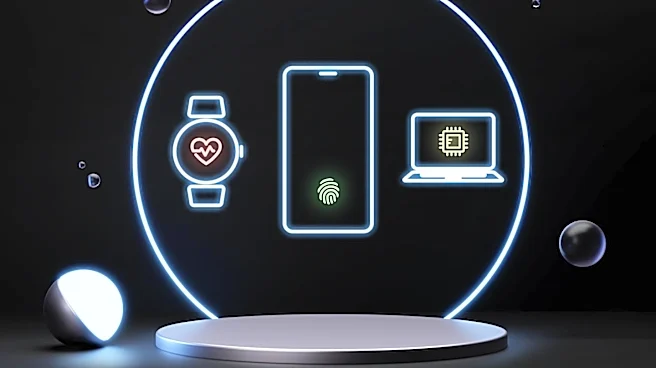
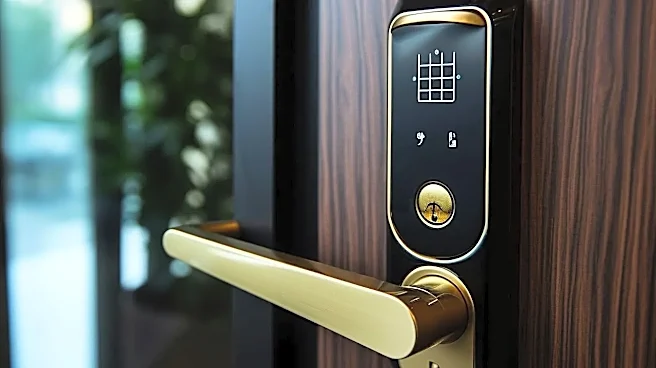
Early smart locks were defined by their apps. You had to download a specific brand's software, pair it via Bluetooth, and hope your phone didn't run out of battery right when you were carrying groceries. This was often more friction than convenience. However, as guides began to highlight these 'failure modes,' the industry responded with new standards like Aliro and Matter. We are moving toward an era where your home key lives in your digital wallet alongside your credit cards and transit passes. New hardware like the ULTRALOQ Bolt Pro or Latch 5 Pro is already integrating these standards, allowing for tap-to-unlock functionality that bypasses the need for dedicated apps entirely. This evolution represents a massive leap in how consumer hardware integrates into our existing digital ecosystems.
The Hierarchy of Access
As consumers became more savvy, they stopped looking for 'the best app' and started looking for 'the best redundancy.' Modern buying advice now emphasizes a hierarchy of access methods to ensure you never get locked out. A keypad remains the gold standard for reliability because it functions independently of networks or battery levels. Fingerprint readers offer speed but can struggle with wet or cold hands. Phone-based entry offers remote management but introduces connectivity risks. The modern consensus is clear: never buy a lock without multiple layers of entry, including a physical key override for true emergencies. This demand for redundancy has forced manufacturers to move away from single-method devices toward multi-modal hardware.
Securing the Digital Perimeter
The shift in consumer focus also extended to cybersecurity. Once people realized that a networked lock was essentially a computer on their front door, the conversation moved from convenience to encryption and account protection. It is no longer enough to have a sleek design; consumers now demand encrypted communication protocols like Z-Wave or Zigbee over unencrypted Bluetooth. They look for brands that commit to automatic firmware updates to patch vulnerabilities as they arise. Perhaps most importantly, the focus has shifted toward user behavior—encouraging two-factor authentication and unique passwords to prevent the account compromises that often make headlines. The 'smart' in smart lock now refers as much to its software resilience as its electronic components.