





More Than Just Reusable Rockets
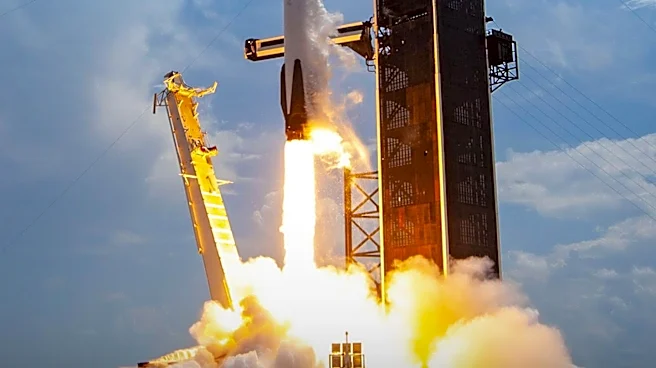
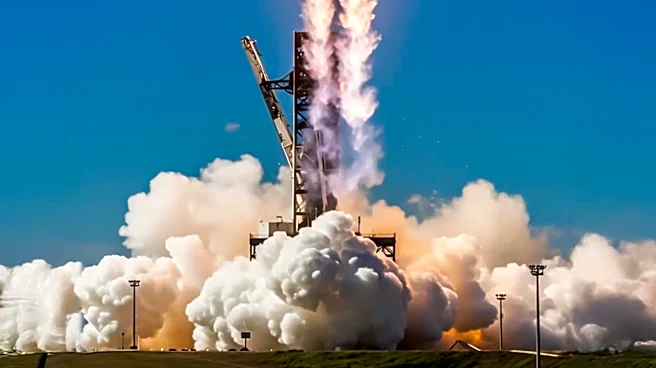
The spectacle of Falcon 9 boosters descending from the heavens to land on drone ships is SpaceX’s most famous trick, and for good reason. Mastering reusability fundamentally changed the economics of space access, slashing launch costs by an estimated
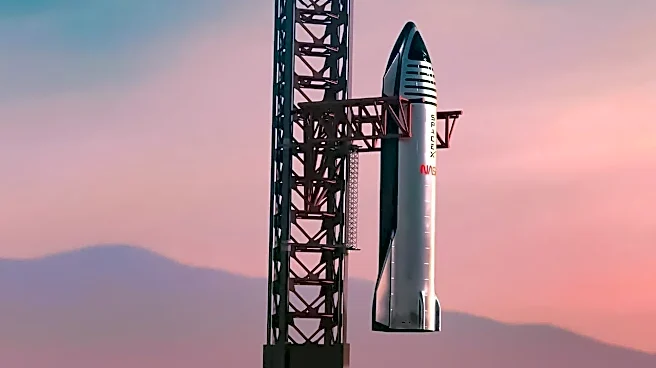
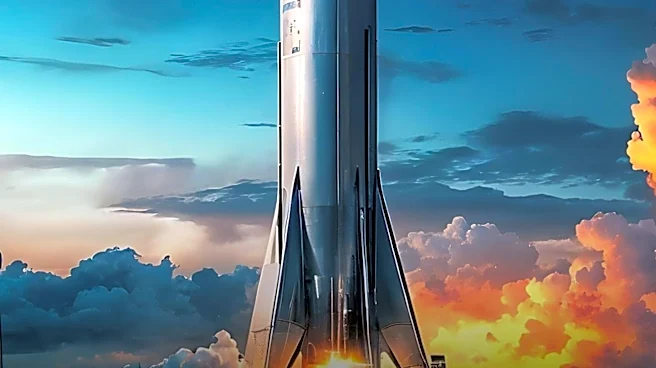
40-60% compared to traditional expendable rockets. This breakthrough alone gave SpaceX an enormous price advantage, allowing it to offer launches for a fraction of what competitors like United Launch Alliance historically charged. For many observers, reusability was the story. But in reality, it was just the first and most visible brick in a much larger, more intricate fortress. The real moat isn't just that the rockets come back; it's the system that makes them come back, and what the company does with that capability.
The Fortress of Vertical Integration
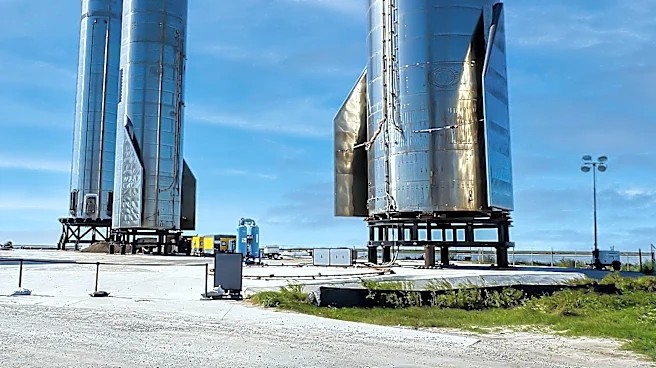
Old-guard aerospace contractors operate on a sprawling, decades-old model of subcontracting. Boeing and Lockheed Martin are prime integrators, assembling components built by a vast web of suppliers. SpaceX took the opposite approach. The company is relentlessly vertically integrated, producing an estimated 85% of its rocket components in-house. This includes everything from the powerful Merlin and Raptor engines to the flight computers and even the software that guides the vehicles. This strategy provides two overwhelming advantages: speed and cost. By controlling the entire manufacturing process, SpaceX can iterate on designs at a pace that is simply impossible for its competitors, who are often locked into slow-moving supplier relationships. It also cuts out layers of third-party markups, allowing for a ruthlessly efficient cost structure that fuels its price leadership in the launch market.
Starlink: The Self-Funding Flywheel
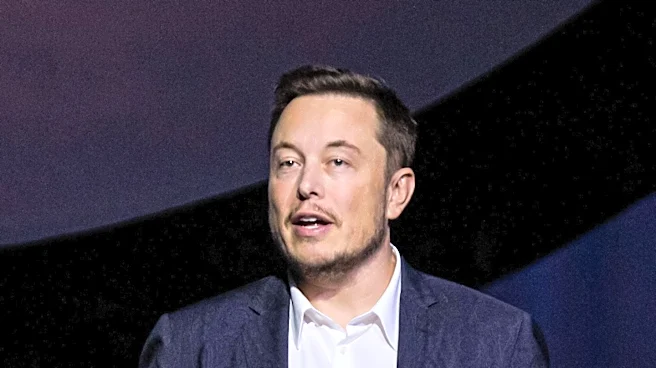
Initially pitched by Elon Musk as a way to fund his ultimate goal of colonizing Mars, the Starlink satellite internet project has become the central pillar of SpaceX's economic moat. Deploying a massive constellation of thousands of satellites would be prohibitively expensive for any other company. For SpaceX, it’s a strategic masterstroke. The company serves as its own primary customer for launches, creating a steady, predictable launch cadence that further drives down costs and increases reliability through repetition. This creates a powerful flywheel: Starlink's existence justifies a high launch rate, which perfects the company's reusable rocket system and lowers costs for all customers. By mid-2025, Starlink had already passed 5 million subscribers, with revenue beginning to eclipse the launch business itself, turning a cost center into a dominant profit engine.
The Undisputed Government Partner
While SpaceX built its brand on commercial disruption, it simultaneously became the U.S. government's most indispensable partner in space. The company's reliability and cost-effectiveness have made it the go-to provider for NASA's crew and cargo missions to the International Space Station. More critically, SpaceX has come to dominate the lucrative national security launch market, winning the bulk of contracts from the U.S. Space Force to launch sensitive military and intelligence satellites. These high-stakes government contracts provide a stable, recurring revenue base and a powerful stamp of approval that validates its technology for commercial customers worldwide. For a company once seen as a risky outsider, it has become a foundational element of America's access to space.