






The Soaring, Unpredictable Cost of AI
Think of the public cloud as a taxi. It’s perfect for a quick trip, but if you're commuting across the country every day, the meter runs up an astronomical bill. Early AI experiments fit the taxi model well. But now that companies are moving from testing
to running generative AI in production 24/7, the 'pay-as-you-go' model can become a financial nightmare. The costs aren't just for the powerful GPUs; they include charges for moving data, storage, and other services that can be hard to predict. For the steady, heavy workloads typical of production AI, owning the hardware in a private cloud can be significantly cheaper over the long run, with some analyses showing a breakeven point in just a few months for high-utilization scenarios.
Your Data Has Gravity
Generative AI is uniquely hungry for one thing: your proprietary data. Training and fine-tuning models on your own customer information, research, and internal documents is how you create a competitive advantage. The problem is that this data has 'gravity'. It's often massive and unwieldy. Moving petabytes of sensitive information to a public cloud to be processed by an AI model can be slow, expensive, and introduces security risks. It often makes more sense to bring the AI model to the data, not the other way around. This is a core driver of the private cloud resurgence—keeping valuable data securely on-premise while the AI models work on it locally.
The Non-Negotiable Need for Control
When your 'secret sauce' is the data feeding your AI, you can't afford any leaks. For businesses in regulated industries like finance, healthcare, or government, data security and sovereignty aren't just best practices; they're legal requirements. Fears over sensitive corporate data ending up inside a public AI model, or being accessed improperly, are very real. A private cloud offers a controlled, ring-fenced environment. Furthermore, with a global patchwork of data sovereignty laws dictating that citizen data must stay within a country's borders, having a private cloud ensures you know exactly where your data lives and who can access it, a guarantee that can be murky in the public cloud.
This Isn't Your Dad's Server Closet
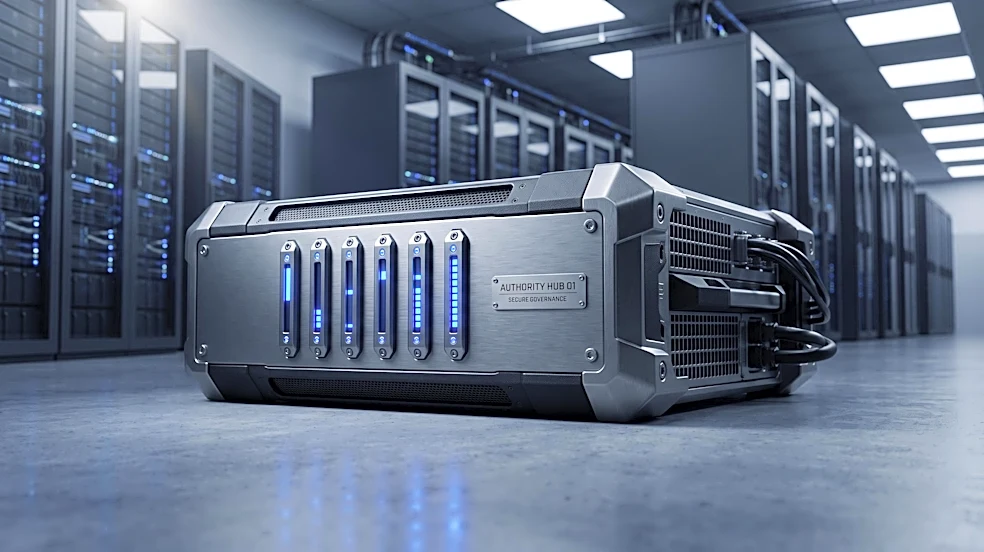
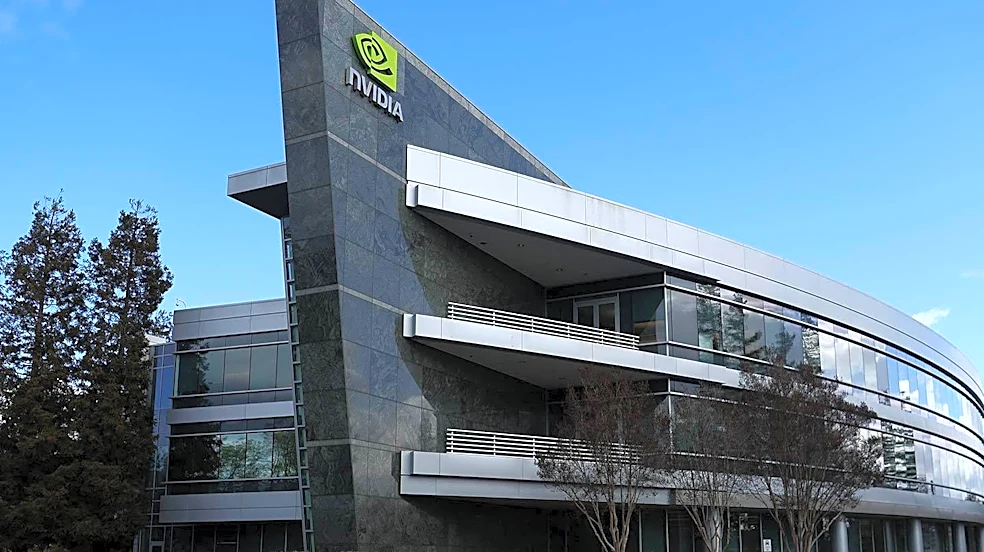
The idea of a private cloud might conjure images of a dusty, underpowered server rack. The reality of a modern, AI-focused private cloud is closer to a high-performance 'AI factory'. Tech giants like NVIDIA, in partnership with hardware makers like HPE and Dell, are now offering turnkey private cloud solutions specifically designed for generative AI. These aren't just servers; they are fully integrated systems of hardware and software, complete with specialized GPUs and management tools designed to run AI workloads efficiently. This makes deploying a powerful, on-premise AI infrastructure far less complex than it used to be, removing a major barrier for many companies.
The Future Is Hybrid, Not a Battle
The comeback of the private cloud isn't about abandoning the public cloud. The future for most enterprises is a hybrid strategy. Think of it as a strategic toolkit. A business might use the public cloud for bursting capacity, experimenting with new models from providers like AWS or Google, and running variable workloads. Meanwhile, their most critical, data-sensitive, and cost-intensive AI operations—the ones that run constantly and define their business—will live on a predictable and secure private cloud. This 'best of both worlds' approach allows companies to balance innovation, cost, and security, using the right cloud for the right job in the demanding new age of artificial intelligence.