







The Spec Sheet Is Not The Whole Story
When you buy a new router or Wi-Fi access point, the box boasts impressive theoretical speeds measured in a pristine, climate-controlled lab. But your house isn't a lab. It's full of signal-blocking walls, competing devices, and, most importantly, heat.
Spec sheets represent a best-case scenario that rarely translates to the real world, where environmental factors dictate performance far more than we realize. This is especially true for consumer-grade equipment, which often struggles with interference and thermal issues in a busy, centrally-located living room. The numbers promise blazing speed, but reality often delivers frustrating lag, especially when the hardware gets warm.
Your Router's Secret Best Friend: A Cool Basement
The number one killer of sustained network performance is heat. As networking components work harder, they get hotter. Once they reach a certain temperature, a self-preservation mechanism called 'thermal throttling' kicks in. This process intentionally slows down the device's processor to prevent it from overheating and causing permanent damage. The result? Slower speeds, dropped connections, and random reboots—especially if the router is stuffed inside a poorly ventilated TV cabinet. Your naturally cool, subterranean basement acts as a massive, passive heat sink. The consistent, lower ambient temperature means the networking gear can run under load for longer without hitting its thermal limit. It’s the electronic equivalent of an engine running better on a cool, crisp morning; the hardware can maintain its peak processing power without having to slow down to protect itself.
Why 'Prosumer' Gear Shines Down Below
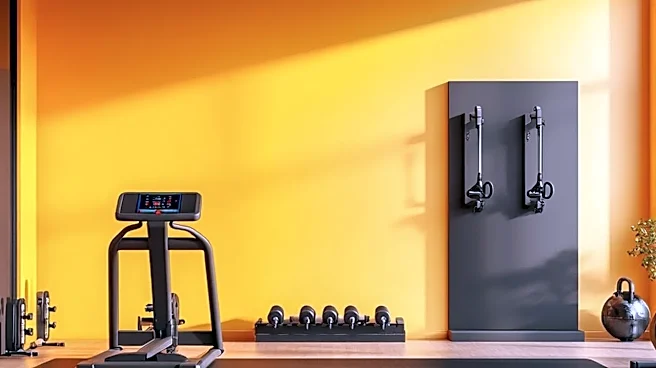
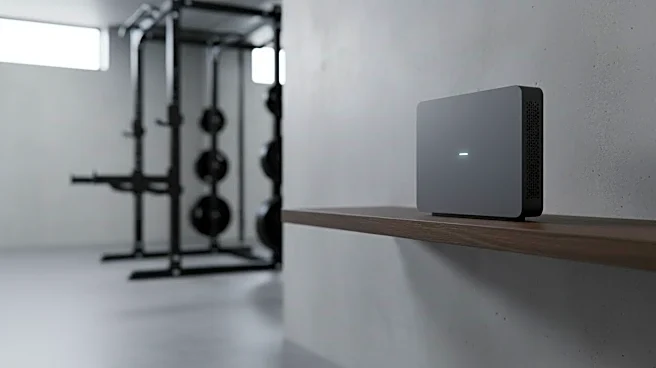
Many enthusiasts setting up dedicated spaces like a home gym opt for 'prosumer' networking equipment—a category that bridges the gap between basic consumer routers and complex enterprise systems. These devices are built with better components and are often designed for more reliable, sustained performance. While they might seem like overkill for a single room, their robust design is perfectly suited for the basement environment. A prosumer access point hard-wired to your main router can easily handle a 4K stream for your treadmill's screen, your workout playlist, and your fitness tracker all at once without breaking a sweat. In the cool basement air, this already-sturdy hardware operates in its ideal state, free from the thermal constraints it might face in a warmer part of the house.
Working With, Not Against, Your Environment
Of course, basements aren't without their challenges. Concrete walls and floors are notorious for blocking Wi-Fi signals. This is why placing a router upstairs and hoping for the best often fails. The solution isn't a more 'powerful' router, but a smarter setup. Running a single ethernet cable from your main router to a dedicated Wi-Fi access point or switch in the basement is the gold standard. This approach bypasses the signal-blocking materials entirely, delivering a perfect signal directly to your workout space. Once there, the equipment can take full advantage of the favorable, cool environment. You transform the basement from a signal dead zone into a high-performance haven for your connected fitness gear.