




An Unbalanced Powerhouse
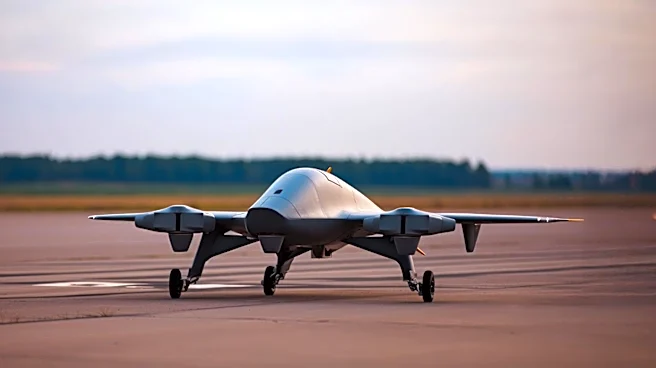
Before 2020, Raytheon was a titan of the defense industry, a world leader in radar technology and guided missiles. It was a company that armed America and its allies. But this specialization was also a vulnerability. An overwhelming dependence on government
contracts made the company susceptible to the boom-and-bust cycles of national defense budgets. A shift in political winds or a period of relative peace could put immense pressure on its core business. While a formidable player, Raytheon lacked the diversification needed to weather storms across the entire global economic landscape. It was a specialist in a world that was increasingly rewarding versatility.
The Strategic Pivot: A Merger of Equals
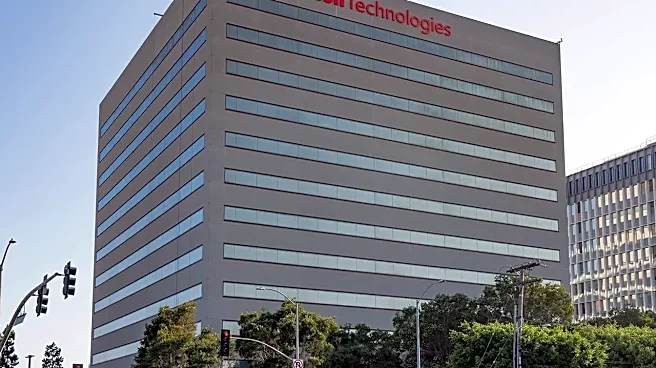
The defining pivot came in April 2020 with the completion of a massive “merger of equals” with United Technologies Corporation (UTC). UTC was a giant in its own right, but its strengths were in the commercial aerospace sector, with divisions like Pratt & Whitney (jet engines) and Collins Aerospace (avionics and interiors). Before the merger, UTC strategically spun off its non-aerospace businesses, Otis (elevators) and Carrier (air conditioners), to focus purely on the skies. The result of this union was a new, behemoth entity named Raytheon Technologies (which rebranded to RTX in 2023), a company with a nearly even split between defense and commercial aerospace revenue. This wasn't just a merger; it was the creation of a natural hedge against market volatility.
Building a More Resilient Business
The logic behind the merger was to create a company that could thrive regardless of which way the market winds blew. If commercial air travel boomed, the former UTC businesses would flourish. If geopolitical tensions rose and defense spending increased, the legacy Raytheon business would see a surge in demand. The new RTX was designed to be resilient, capturing growth on both sides of the aerospace and defense equation. This balanced portfolio provided a level of stability that neither company could achieve alone. The merger immediately created one of the world's largest aerospace and defense firms, with unparalleled R&D capabilities, a combined annual research budget of around $8 billion, and a workforce of over 60,000 engineers.
The Payoff: Navigating a Turbulent World
The ink on the merger was barely dry when the COVID-19 pandemic decimated the commercial aviation industry. For a company wholly dependent on commercial aerospace, it would have been a catastrophe. But for the newly formed Raytheon Technologies, the crisis proved the value of its pivot. While the commercial side of the business faced immense headwinds, the stability of the defense contracts provided a crucial cushion. In the years since, as commercial travel has rebounded and global conflicts have driven a significant increase in defense spending, the company has benefited from both trends simultaneously. The new, diversified structure has allowed RTX to report massive order backlogs, giving it clear revenue visibility for years to come and cementing its status as an industry powerhouse.