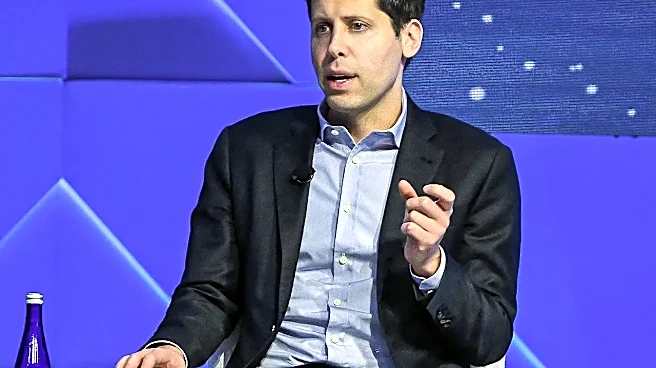








The halls of Web Summit are buzzing with AI, but the chatter isn't about the chatbots we've come to know. The tech world is looking ahead to AI 'agents,' a profound evolution that's less about conversation and more about action.
First, We Learned to Talk: The Chatbot's Reign
For the last few years,
our primary way of interacting with large-scale AI has been through a chat window. We ask a question; it gives an answer. Think of a chatbot, even a very advanced one, as a brilliant librarian. It has read nearly everything and can synthesize information to answer your query. But its job ends when it gives you the book or the summary. This architecture is reactive. It’s designed to manage a conversation, respond to a prompt, and then wait for the next instruction. The core loop is simple: user prompt leads to an AI response. This model has been great for customer service FAQs, summarizing documents, and acting as a super-powered search engine, but the AI's ability to 'do' anything is limited.
Now, AI Is Learning to Do: Enter the Agent
The architectural shift grabbing attention at events like Web Summit is the move to AI agents. An AI agent is an autonomous system built not just to respond, but to act. It’s given a goal, not just a prompt. Instead of a librarian, think of a personal assistant. You don’t just ask it 'What are the best flights to Lisbon?'; you say, 'Book me the best flight to Lisbon for Web Summit, handle the hotel, and add it to my calendar.' The agent can then plan a multi-step process, interact with different websites or applications (tools), and execute the task without you guiding every step. This is the key difference: chatbots talk, agents do.
The Engine Room: A New Kind of Loop
This jump in capability isn't just about a bigger AI model; it’s a change in the underlying design. A chatbot's architecture is a straight line. An AI agent operates on a continuous loop: perceive, reason, plan, execute. It assesses a goal, breaks it down into tasks, selects the right tools (like a web browser or an internal company API), performs an action, and then observes the result to decide what to do next. This 'agentic' framework allows the AI to handle complexity, course-correct when it hits an error, and interact with the digital world on your behalf. It's the difference between an AI that knows what an API is and an AI that can actually use one to get a job done.
Why the Tech World Is Obsessed
This leap from passive chatbots to active agents explains the intense debate and investment across the tech industry. For businesses, the promise is moving from AI that cuts down on support tickets to AI that automates entire workflows, like processing an insurance claim from start to finish. But it also introduces significant new questions being tackled at Web Summit, from the practical to the profound. How do you secure an autonomous system with access to sensitive company data? What happens when an agent makes a mistake while acting on its own? And as these systems become more capable, how do we ensure they operate in a way that is human-centric and beneficial? The conversation is no longer just about smarter AI, but about responsible and reliable AI that can be trusted to act in the real world.