
The Awkward Teenage Years
Let’s start with the ghost of smart glasses past: Google Glass. Back in 2013, it was a device that screamed “technology.” With its asymmetric frame and visible prism display, it was impossible to ignore.
That conspicuous design created a social friction that the technology itself couldn't overcome. The term “Glasshole” entered the lexicon, aimed at users perceived as rudely prioritizing their gadget over human interaction. The core problem wasn't just the look; it was the function. It was a solution in search of a problem, a powerful camera and display that made others uncomfortable without offering the wearer a truly indispensable benefit. It was a fascinating experiment but a commercial and social failure that taught the industry a crucial lesson: the future of face-based computing had to be subtle before it could be smart.
The Glow-Up: Design Meets Discretion
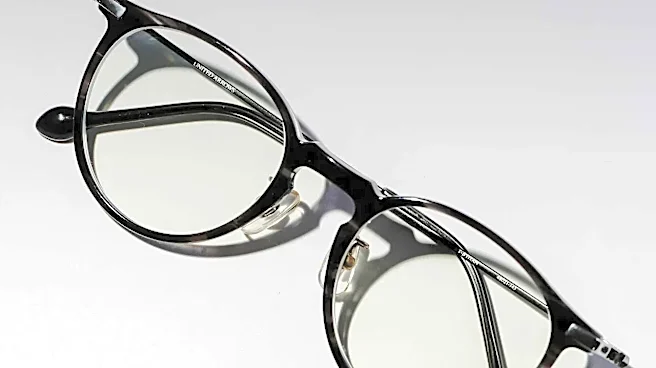
The single biggest change between then and now is that smart glasses in 2026 look... well, like glasses. The masterstroke for market leaders like Meta was partnering with iconic eyewear brands like Ray-Ban. Instead of trying to invent a new device category from scratch, they hid the technology inside a form factor people already understood and desired. This solved the “Glasshole” problem overnight. Most current models are indistinguishable from regular eyewear, with open-ear speakers hidden in the arms and tiny, integrated camera lenses. They also learned from past privacy panics. Unlike the ambiguous state of Google Glass, modern smart glasses feature a bright, impossible-to-disable LED light that clearly indicates when the camera is recording, a simple but critical feature for social acceptance.
From Niche Gadget to Everyday Tool
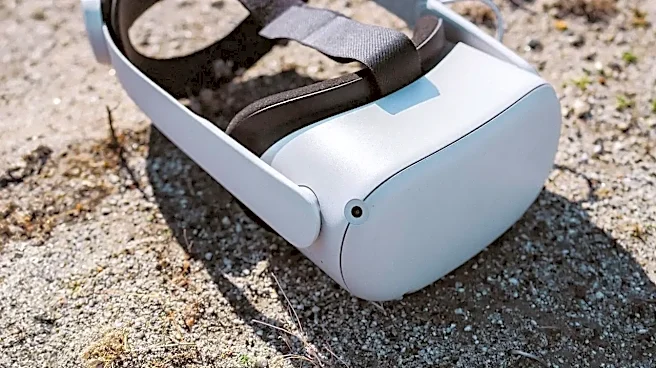
The mission has also changed. The “before” was about creating a head-mounted smartphone screen. The “after” is about providing glanceable, AI-powered assistance. In 2026, the market is broadly split into two successful categories: display-free glasses and virtual screen glasses. The dominant display-free models, which make up the bulk of the millions of units shipped, focus on AI, audio, and camera functions. Users take calls, listen to podcasts, and use voice commands to interact with an AI that can see what they see and provide contextual information. The other category, virtual screen glasses from companies like XREAL and RayNeo, creates a large, private display for productivity or entertainment, like a portable monitor for your laptop or phone. What unites them is a shift away from constant, intrusive notifications and toward specific, useful applications: hands-free instructions for a technician, real-time translation, or a private movie on a plane.
The Platform War Moves to Your Face
With the hardware and use cases finally aligning, the true battle of 2026 is emerging: the fight for the next major computing platform. Having missed the boat on smartphones, Meta is aggressively positioning its glasses as the centerpiece of a new ecosystem, with a market share exceeding 60% in early 2026. Meanwhile, Google is preparing a major re-entry with Android XR, a new platform that will power glasses from Samsung and others, leveraging its Gemini AI. These companies aren't just selling a gadget; they are racing to own the operating system of your life, moving from the phone in your hand to the assistant in your ear and the information in your field of view. The smartphone put a computer in every pocket; smart glasses aim to put a computer between you and the world, augmenting reality with a layer of useful data.