


The Ghost of WWDC Past
In the world of Apple development, there’s a verb that sends a shiver down every founder’s spine: to be “Sherlocked.” The term dates back to the early 2000s when Apple released its own search tool, “Sherlock 3,” which replicated the core functionality
of a popular third-party app called Watson, effectively killing its business overnight. This story has repeated itself countless times since. A cool third-party widget, camera app, or utility gets popular, and a year or two later, its main feature appears, free and deeply integrated, in the next version of iOS or macOS. This isn’t malicious; it’s simply the natural evolution of a platform. Apple sees what users find valuable and logically concludes it should be a native part of the experience. But for the developers who pioneered the idea, it’s a brutal reminder that they are building their empires on rented land. The productivity space, with its focus on calendars, notes, and task management, is prime real estate—and Apple is the landlord.
The Catalyst: Ambient, OS-Level AI
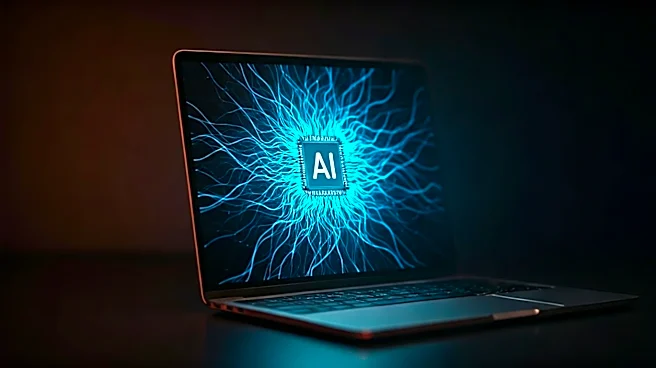
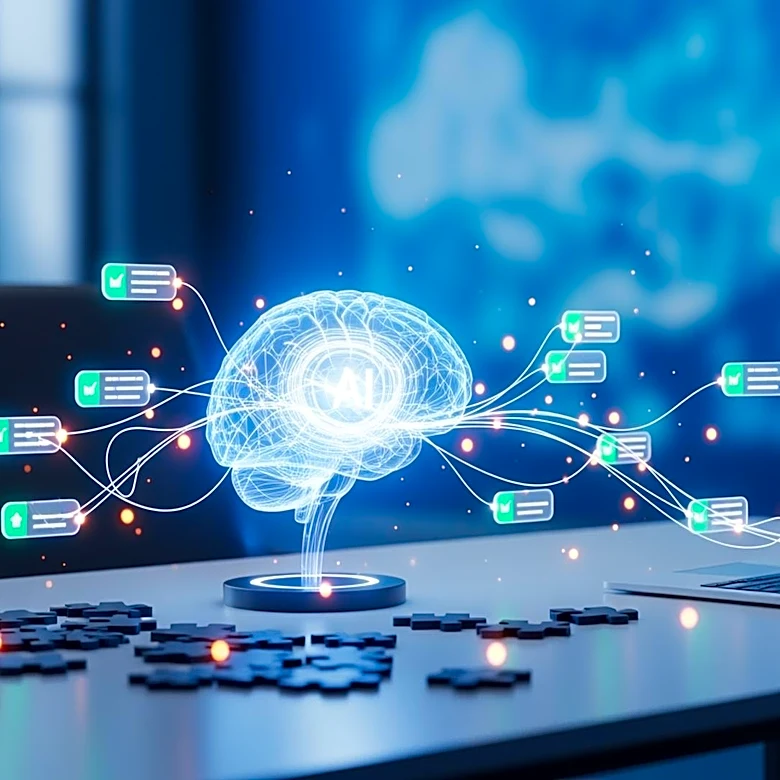
So, what could happen at a hypothetical WWDC 2026 that would be so transformative? The answer isn’t a single new app, but a foundational shift in how the operating system itself works. The seeds were planted with “Apple Intelligence” in 2024, but imagine its evolution two years down the line: a truly ambient, predictive, and proactive AI woven into the very fabric of iOS and macOS. Think of an OS that doesn’t just see your apps but understands the *content* and *context* within them. It knows you have a flight confirmation in your email, a related hotel booking in your calendar, and a message from a colleague about the trip. Today, a productivity app might help you manually link these things. In this future, the OS could do it automatically. A simple prompt like, “Hey Siri, create a project for my Chicago trip and pull in all relevant files and deadlines,” would no longer be science fiction. The AI could generate tasks, set reminders, and gather documents without you ever opening a third-party app.
The Unfair Advantage
This is where Apple’s platform advantage becomes insurmountable for many. A third-party app like Notion or Asana has to ask for permission to access your calendar, your contacts, and your files. It lives in a silo, and making it talk to other silos is clunky, requiring complex integrations and APIs. Apple, on the other hand, owns all the silos. It can build seamless, private, on-device connections between Mail, Calendar, Messages, and Files that no one else can. When the OS itself can manage your entire workflow context, the core value proposition of many productivity apps—organizing scattered information—evaporates. Why would you pay for a service to manually create a project dashboard when your iPhone can build a more comprehensive one for you, automatically, just by understanding your intent? This is the pivot point. Basic task management, note-taking, and project aggregation could become commoditized features of the operating system itself.
The Path to Survival: The Pivot
This doesn’t mean every productivity app dies. It means they are forced to evolve. The ones that survive will be those that successfully pivot up the value chain. Instead of competing on basic organization, they’ll have to offer something Apple won’t or can’t. One path is deep specialization. An app for construction project management, with features specific to blueprints and supply chain logistics, is safer than a generic to-do list. Another path is focusing on team collaboration, especially in cross-platform environments where colleagues use a mix of Windows, Android, and Apple devices. Apple’s ecosystem is a walled garden; the business world is not. Apps that bridge those walls will retain immense value. Finally, some apps will pivot to become a “meta-layer” that works *on top* of Apple’s new native capabilities, offering unique interfaces, powerful automations, or analytical insights that the basic OS tools lack. The business model shifts from replacing native apps to enhancing them.