





The Hidden Engine of Your Entertainment
The next time you stream a movie or binge a new series, there's a good chance Python is working behind the scenes. At Netflix, the language is used extensively for everything from the backend services that manage user accounts to the algorithms that recommend
what you should watch next. Engineers there rely on Python to analyze network health and operate the massive Content Delivery Network (CDN) that ensures smooth streaming to millions of users. Spotify is another major user, with estimates suggesting that around 80% of its backend services are built with Python, handling tasks from data analysis to playlist generation. Even the stunning visual effects in blockbuster films are often thanks to Python. Major animation and VFX studios like Industrial Light & Magic use it as the primary scripting language in software like Maya and Nuke to automate repetitive tasks, manage complex production pipelines, and create custom tools that allow artists to focus on creativity instead of tedious manual work.
Fueling Wall Street and Finance
In the high-stakes world of finance, speed and accuracy are everything, and Python has become a dominant force. Major investment banks and hedge funds use it to build sophisticated models for algorithmic trading, risk management, and pricing complex financial instruments. Its powerful data analysis libraries, like Pandas and NumPy, allow analysts to process and model vast datasets far more efficiently than with traditional tools like Excel. This has made Python an essential skill for quantitative analysts, who build and back-test trading strategies. It's also used for fraud detection, automating compliance reporting, and building the backend of modern fintech applications, from online banking platforms to payment systems. Its combination of power and relative simplicity allows financial professionals who aren't career software developers to build tools that provide a critical competitive edge.
Launching Rockets and Exploring the Cosmos
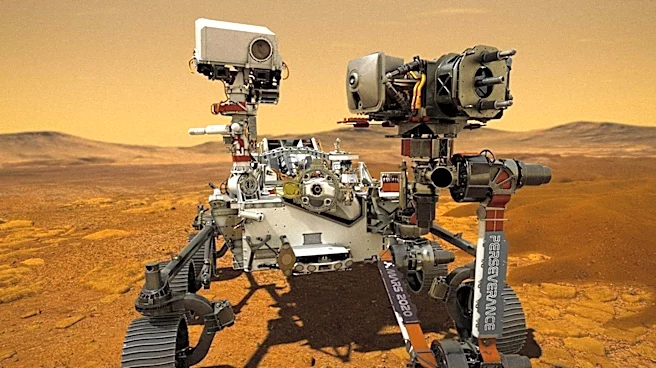
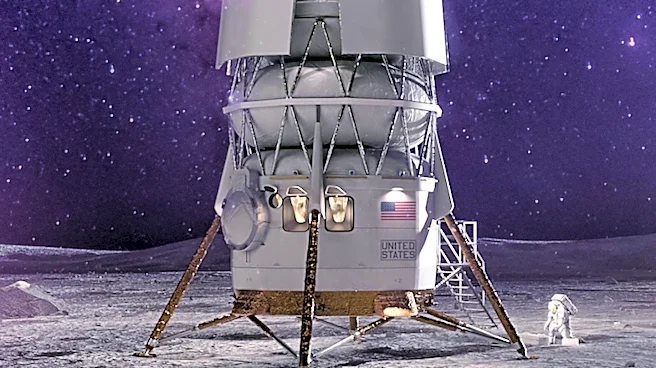
While mission-critical flight software for rockets often relies on languages like C++, Python plays a crucial and expanding role at agencies like NASA. It is used extensively for ground-based systems, data analysis, and simulations. For instance, Python scripts were used to process and analyze terrain data for the Mars Perseverance Rover. The spectacular images from the James Webb Space Telescope are processed and organized using Python pipelines, which turn raw data into the breathtaking cosmic views seen by the public. Python's libraries are perfectly suited for the massive datasets involved in astrophysics and planetary science. It's used to model asteroid trajectories, analyze data from space missions like Rosetta and Cassini, and even helps control the self-landing capabilities of SpaceX's Falcon rockets. Its accessibility also enables a new generation of scientists and engineers to contribute to space exploration projects.
The Unseen Force Behind Your Favorite Apps
Beyond the headliners, Python's fingerprints are all over the digital services that are a core part of daily life. Instagram, for example, runs on a backend built with the Python framework Django. YouTube uses Python for various purposes across its massive platform. The language's strength lies in its ability to scale, allowing these companies to handle billions of user requests. Its simple, readable syntax also makes it easier for large teams of engineers to collaborate, find bugs, and maintain a clean codebase. This versatility is its superpower. The same language that powers a scientific model at NASA can also serve up photos on a social media feed or process a transaction on a retail website. This domain flexibility allows developers to move between different parts of a project, from the server-side logic to data analysis, without having to switch languages.