
More Than Just a Wearable Screen
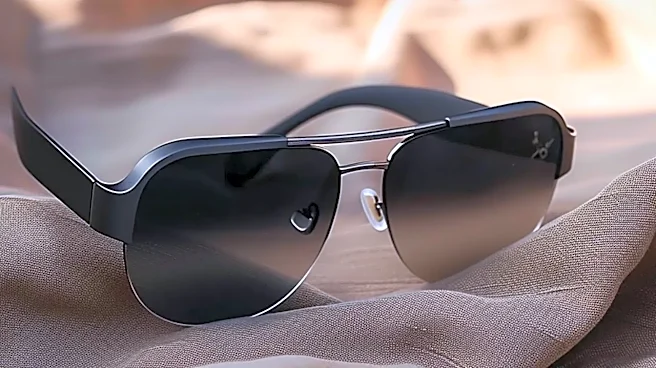
When you hear “smart glasses,” it’s easy to picture the clunky, camera-prominent devices of the past. But the technology expected to hit its stride by 2026 is a different beast entirely. We’re talking
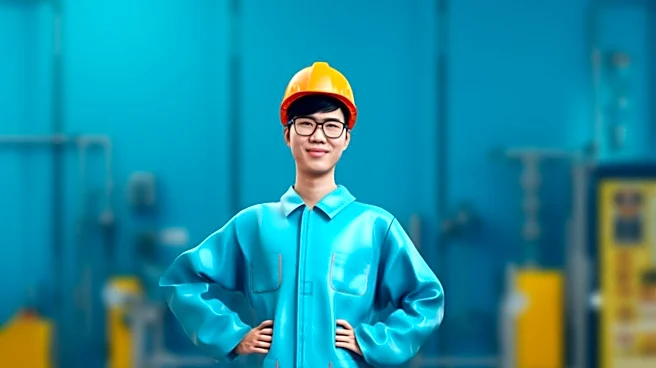
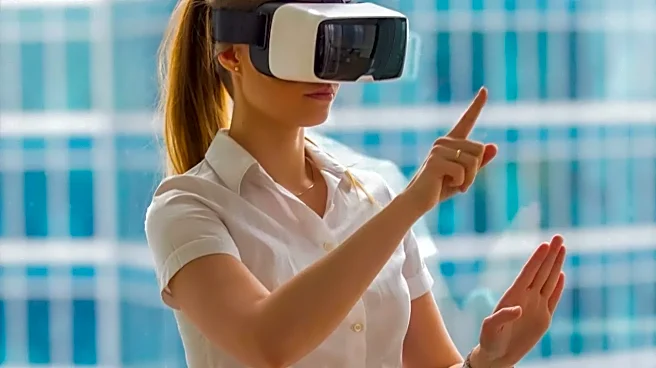
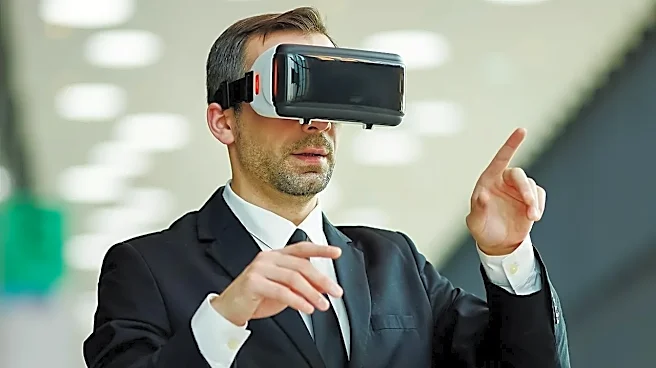
about lightweight, often indistinguishable-from-normal eyewear that overlays digital information directly onto the real world. This is augmented reality (AR) made practical. Imagine a factory worker seeing assembly instructions float over the equipment they’re building, or an architect walking through a construction site while also seeing the finished 3D model of the building perfectly superimposed. This hands-free access to information is the core driver, designed to reduce the mental load of constantly switching between a physical task and a separate screen.
The Future of On-the-Job Training
One of the most immediate and profound changes will be in how we learn. Traditional training, with its manuals and shadowing, is set to be upended. With AR glasses, a new employee can receive real-time, step-by-step visual guidance for complex tasks. A technician repairing an engine could see arrows pointing to the exact part that needs replacing, while a surgeon could view a patient's vital signs without ever looking away from the procedure. This not only dramatically speeds up the learning curve but also reduces costly errors. Companies like Boeing and DHL have already reported significant efficiency gains in training and logistics using earlier versions of this technology.
Collaboration Gets a Digital Upgrade
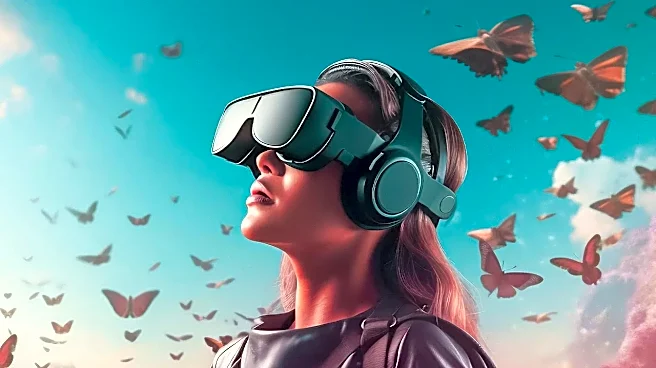
The hybrid work era has been defined by video calls, but AR promises a more integrated way to collaborate. Instead of staring at faces on a flat screen, teams could interact with shared 3D digital objects in a physical room. Brainstorming sessions for a new product could involve manipulating a life-sized virtual prototype that everyone in the room can see and comment on. Furthermore, a remote expert can “see” through the eyes of an on-site colleague and provide guidance, pointing out specific details in their field of view. This creates a sense of shared presence that video calls struggle to replicate, potentially making remote collaboration feel more natural and effective.
The Privacy Minefield is Real
This seamless integration of digital and physical worlds comes with serious cultural and legal hurdles. The biggest is privacy. Unlike a smartphone, which you have to actively pull out to record, smart glasses can capture audio and video discreetly, sometimes without anyone nearby realizing it. This creates a minefield of consent issues, especially in states with two-party consent laws for recording. It also poses a significant risk to trade secrets and confidential client information. Employers will need to develop nuanced policies that go far beyond a simple ban, balancing the productivity gains with the very real risks of data leakage and a breakdown of workplace trust.
A New Kind of Digital Divide
Beyond privacy, the rise of smart glasses could introduce new forms of workplace inequality. If certain roles become “augmented” with real-time information and guidance, what happens to those without? One study noted that while AR-guided workers complete tasks faster, they may not internalize the knowledge in the same way, potentially stunting long-term skill development and innovation. This could create a two-tiered workforce: one that executes instructions delivered via AR, and another that designs the systems. As companies integrate this technology, they'll have to grapple with how to ensure it empowers all employees rather than creating a new class of hyper-efficient but less autonomous workers.