




The Era of the Second Screen
For most of their existence, smartwatches and other wearables operated on a simple premise: to save you from pulling out your phone. They were glorified notification centers on your wrist, great for glancing at texts, checking the weather, or tracking
your steps. The intelligence wasn't really in the watch; it was in the phone it was tethered to. This model, while useful, was inherently reactive. The device waited for information to be pushed to it—a message, a calendar alert, an email—and then passed it along to you. It was convenient, but it wasn't truly smart. It reacted to data, but it didn't understand context.
What Changed? The AI Inflection Point
The game-changer has been the convergence of smaller, more powerful processors with the rise of sophisticated on-device AI. Instead of sending data to a distant cloud server for analysis, new wearable devices can process information right on the hardware itself. This is often called "Edge AI," and it enables real-time insights without the lag or the need for a constant internet connection. This leap allows wearables to move from simply displaying information to interpreting it. The technology is evolving from being assistive, where it helps with tasks you initiate, to being agentic—where it can act on your behalf with minimal prompting. It’s a move from a device you interact with to a companion that understands your environment.
Meet Your New Digital Co-Pilots
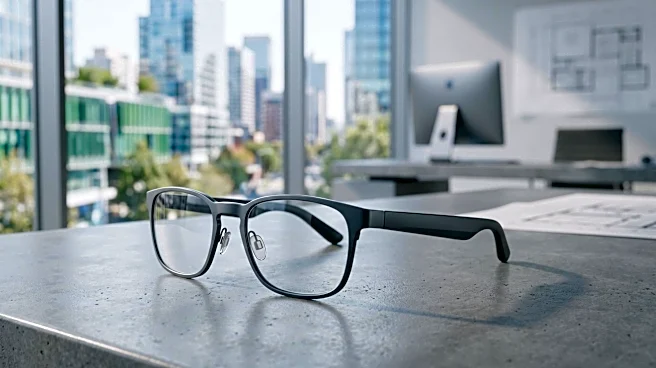
Today's AI wearables come in a variety of new forms, including smart glasses, clip-on recorders, and advanced rings, each offering a glimpse into this new paradigm. Smart glasses, like those from Meta, are integrating AI that can see what you see and answer questions about your surroundings. Other devices, like clip-on assistants, are designed to listen to your day, record important conversations, and generate summaries or reminders without you ever touching a screen. The focus is on "ambient computing," where technology blends into the background, anticipates your needs, and provides help without demanding your constant attention. Whether it's providing real-time language translation, offering navigation, or summarizing a meeting you just left, these devices are designed to be proactive partners rather than passive screens.
Beyond Convenience: The Bigger Picture
This shift represents more than just a new wave of gadgets; it signals a change in our relationship with technology. The promise is a more seamless, hands-free, and intuitive way of accessing digital information and services. In fields like emergency services, it means first responders can get critical data without looking at a screen. In healthcare, it allows for proactive and predictive health monitoring, catching potential issues before they become serious. However, this evolution is not without challenges. The same sensors that enable this hyper-contextual assistance—always-on cameras and microphones—raise significant privacy and data security questions. As these devices become more integrated into our lives, the debate over how to balance their profound utility with the need to protect personal data will become more critical than ever.