





Meet the Patient Spies
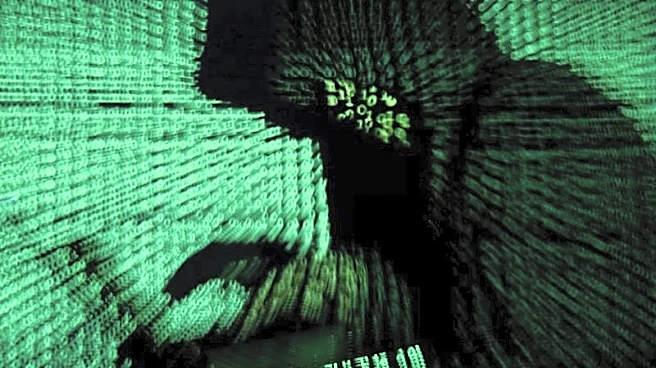
Cozy Bear, also known by codenames like APT29 and Nobelium, is a highly skilled cyber espionage group widely attributed to Russia's Foreign Intelligence Service (SVR). Unlike ransomware gangs focused on quick financial payouts, Cozy Bear plays the long
game. Their objective is persistent, stealthy intelligence gathering against high-value targets like governments, diplomats, and research institutions. Think less of a digital smash-and-grab and more of a deeply embedded mole. They are masters of operational security, known for staying inside networks for months or even years without being detected. Their style is deliberate and precise, designed to gather information that informs geopolitical strategy, making them one of the most formidable state-sponsored threats in the world.
A Playbook of Blending In
Cozy Bear’s signature isn't a flashy piece of malware; it's the art of invisibility. They specialize in “living-off-the-land” techniques, using a target’s own legitimate software and administrative tools, like PowerShell, to carry out their mission. This allows them to blend in with normal network traffic, evading traditional security tools that hunt for known malicious code. In recent years, they have heavily pivoted to attacking cloud services like Microsoft 365. Instead of breaking down the door, they prefer to steal or forge the keys—abusing user credentials, access tokens, and identity systems to gain entry. To a security system, they look just like an authorized employee, making them incredibly difficult to spot.
Why the Castle-and-Moat Fell
For decades, the dominant model for cybersecurity was the “castle-and-moat.” Organizations built strong perimeters with firewalls and antivirus software to keep bad actors out, while largely trusting activity that occurred inside. Cozy Bear’s tactics exposed the fatal flaw in this model. When an attacker can impersonate a legitimate user or hijack a trusted process, the moat becomes irrelevant. Their ability to gain initial access through phishing or stolen credentials and then live off the land meant the fight was already inside the castle walls. Their traffic wouldn't trigger alarms because it was designed to look mundane, rendering perimeter-focused defenses obsolete.
The SolarWinds Wake-Up Call
The 2020 SolarWinds supply chain attack was a watershed moment, single-handedly reshaping the industry’s understanding of risk. Cozy Bear didn't attack thousands of organizations individually. Instead, they attacked one: the software provider SolarWinds. They inserted malicious code into a legitimate software update for the company's Orion platform. When roughly 18,000 customers installed this trusted update, they unknowingly opened a backdoor for the hackers. This unprecedented attack demonstrated that an organization's security was only as strong as its weakest vendor. It was a brutal lesson in supply chain vulnerability, proving that trust itself could be weaponized on a global scale.
The Rise of Zero Trust
In response to the challenges posed by groups like Cozy Bear, the security world has aggressively moved toward a new paradigm: Zero Trust. The philosophy is simple: “never trust, always verify.” A Zero Trust architecture assumes that the network is already compromised and that any request for access—whether from outside or inside the network—must be rigorously verified each time. This model directly counters Cozy Bear’s playbook. It neutralizes living-off-the-land techniques by scrutinizing internal activity and nullifies stolen credentials by requiring continuous authentication. While Zero Trust wasn't invented because of Cozy Bear, the group's high-profile successes, especially SolarWinds, served as a powerful catalyst, dramatically accelerating its adoption from a niche concept to an industry standard.