




The artificial intelligence gold rush is in full swing, with startups racing to build the future. But this digital revolution is running into hard physical limits. The very hardware that powers AI is becoming a critical bottleneck.
4. The Second-Order Component Crunch
It’s easy to focus on
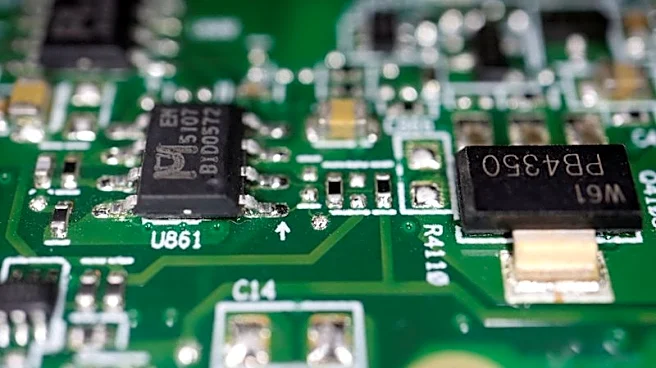
the big-ticket items like GPUs, but a powerful AI server is a complex ecosystem of thousands of parts. Increasingly, the components holding up multi-million dollar deployments are not the headline-grabbing processors, but the mundane-yet-critical supporting cast. Think power management ICs (PMICs), silicon carbide (SiC) MOSFETs, and even high-current connectors. These components, often built on older manufacturing processes, are facing their own supply crunch as demand from AI data centers, electric vehicles, and industrial systems collides. When a $30 power chip with a 40-week lead time can sideline a rack of GPUs worth a fortune, it creates a new layer of unpredictable risk for startups trying to get their infrastructure online. This second-order shortage complicates an already difficult hardware environment, proving that an AI system is only as strong as its weakest, and sometimes most overlooked, link.
3. The High-Bandwidth Memory Wall
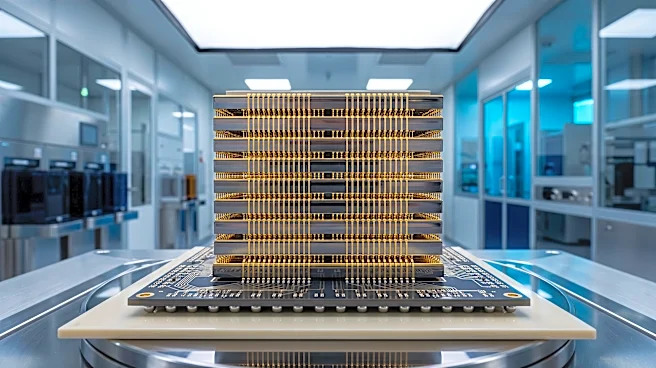
An AI accelerator is useless if you can't feed it data fast enough. That’s the job of High-Bandwidth Memory (HBM), a specialized type of RAM that is physically stacked next to the GPU to enable lightning-fast data transfer. HBM has shifted from a high-end option to a non-negotiable requirement for any serious AI training hardware. The problem is that building it is complex and resource-intensive; HBM reportedly consumes three to four times the manufacturing capacity of standard computer memory. As a result, the world's limited HBM supply is a severe bottleneck. Top memory manufacturers have reported their HBM production for entire years being sold out in advance, with top-tier customers like Nvidia, Google, and AMD reserving the lion's share of future capacity. For a startup, this means even if they could get GPUs, the memory needed to make them performant is already spoken for, creating a 'memory wall' that’s just as imposing as the chip shortage itself.
2. The Great GPU Scarcity
This is the constraint everyone knows. The voracious appetite for AI has triggered an unprecedented demand for high-performance GPUs, the specialized processors that are the engines of modern AI. While the absolute scarcity of 2024 has eased for lowernd chips, the most powerful, cutting edge models needed for training large models remain incredibly difficult to procure. Lead times for purchasing top tier Nvidia GPUs can stretch from 36 to 52 weeks. This is less about the silicon die itself and more about bottlenecks in advanced packaging (the technology used to assemble the chip) and the HBM memory supply. For startups, this creates a brutal reality: they are competing for scraps left over by hyperscale cloud providers and established tech giants who have locked in capacity years in advance. Renting cloud capacity offers a way around the queue, but at premium prices that can quickly drain a startup's funding.
1. The Power and Real Estate Crunch
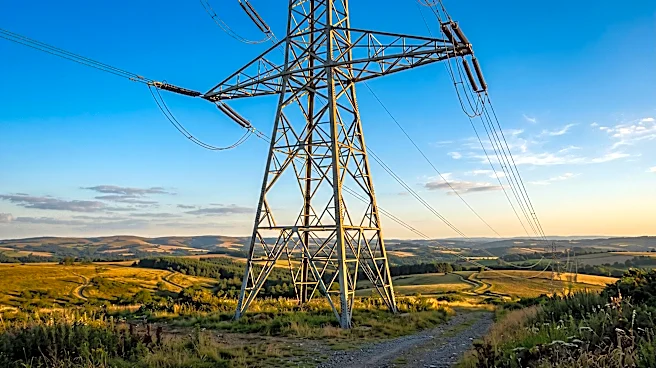
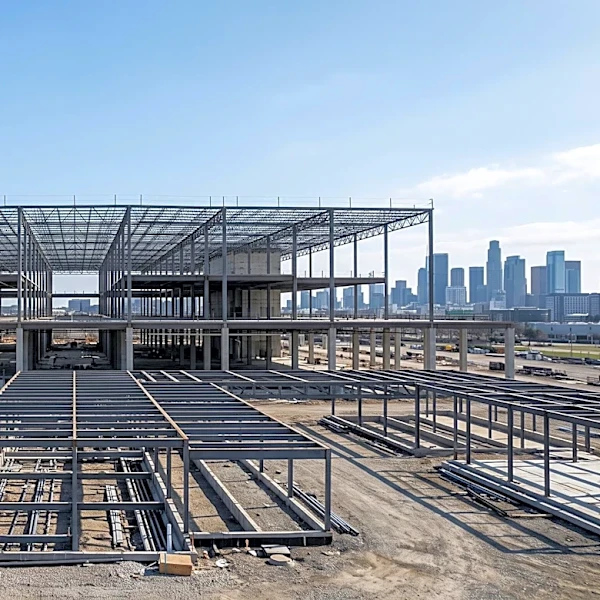
In 2026, the single biggest constraint on AI growth is no longer silicon, but electricity. An AI data center isn't just a building; it's a massive power and cooling installation. The power density of racks filled with modern AI accelerators has exploded, with a single facility’s needs becoming comparable to that of a small city. The problem is that you can't just build a new power plant overnight. In many regions, the electrical grid is already saturated, and the queue to get a new large scale data center connected can take five years or more. This has made access to grid power the primary factor in site selection, trumping even land or capital. For AI startups, this is a daunting physical barrier. Without access to massive, reliable power, you can't run the compute. As a result, megawatts have become more valuable than accelerators, and the race to power AI has become the ultimate hardware constraint.