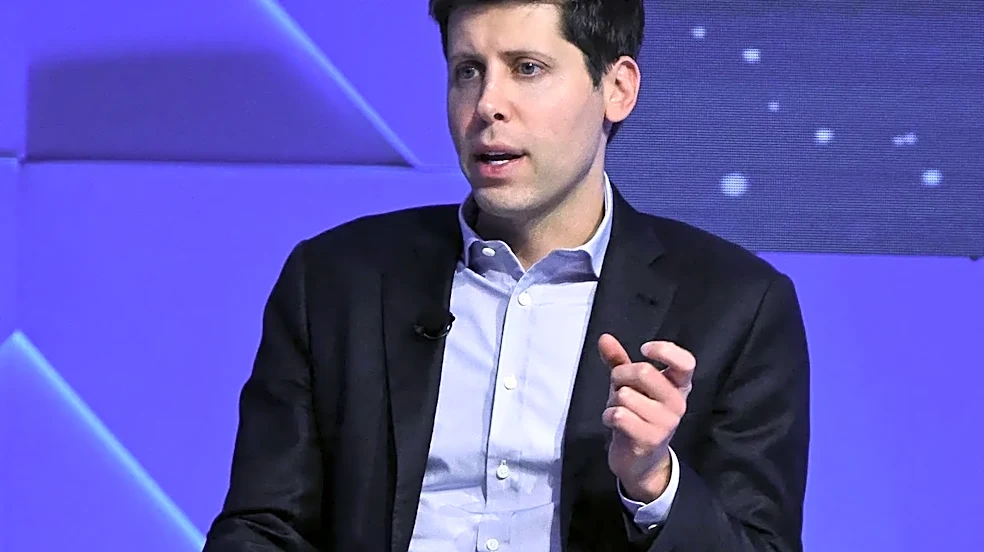









Altman’s Vision: Global Rules for a Powerful Tech
To understand the drama unfolding at a global tech bazaar like GITEX, you first have to understand the playbook of AI’s most visible architect. Sam Altman’s strategy isn't just about building more powerful models. In recent months, he has been vocal about the need
for international cooperation and governance, even addressing the UN Security Council. His core message is that AI is too powerful to be developed in silos or without global safety standards. Altman has proposed a U.S.-led international body, similar to the International Atomic Energy Agency, to oversee powerful AI development, ensuring it remains safe and beneficial for all of humanity. This push for global rules isn't just altruism; it's a strategic move to shape the environment in which OpenAI operates, preventing a chaotic, fragmented, and potentially dangerous race to the bottom.
GITEX: The World's Tech Crossroads
GITEX Global is not just another tech conference; it is one of the world's largest, drawing hundreds of thousands of attendees, thousands of companies, and major government delegations from over 180 countries to Dubai. Once a regional IT show, it has exploded into a premier global stage for cutting-edge technology, particularly AI, cybersecurity, and fintech. More importantly, it’s a place where massive deals are made and national digital transformation agendas are put into action. The 2026 event, with its heavy focus on AI, serves as a real-world barometer of the global tech climate, showing who is buying, who is selling, and what technological capabilities nations are prioritizing.
The Stakes: A Race for 'Sovereign AI'
Here’s where Altman’s vision collides with global ambition. A major theme emerging at GITEX and similar forums is 'sovereign AI'. This is the idea that nations must develop and control their own AI infrastructure and large language models, rather than relying on a handful of U.S.-based companies like OpenAI. For countries in the Middle East, Africa, and Asia, having sovereign AI is seen as crucial for economic competitiveness, national security, and cultural preservation. This creates a fascinating tension. While Altman calls for global standards, many nations at GITEX are focused on building their own capabilities, sometimes with different priorities and rules. The stakes, therefore, are about control: will the future of AI be governed by a cooperative international framework, or will it be a competitive landscape of walled digital gardens?
From Enterprise Push to Geopolitical Tool
While pushing for global cooperation, OpenAI's practical business strategy is heavily focused on enterprise adoption. The plan is to embed AI deeply into corporate workflows, making it an indispensable tool for businesses. At GITEX, this strategy is on full display as companies from around the world look for ready-to-deploy AI solutions. However, the buyers aren't just corporations; they are often state-owned enterprises and entire government ministries. When a country adopts a particular AI ecosystem, it’s not just a software sale. It’s a significant geopolitical move that involves data, infrastructure, and long-term strategic alignment. The enterprise push becomes a tool of soft power, and the competition between providers like OpenAI and its rivals is a proxy for broader geopolitical influence.