








It’s About Experience, Not Just Specs
Most buyer's guides are a dizzying sea of specifications: 4K resolution, 120-degree field of view, 8-microphone arrays. While important, these specs are worthless without context. The real goal isn't to buy the camera with the highest numbers; it's to create
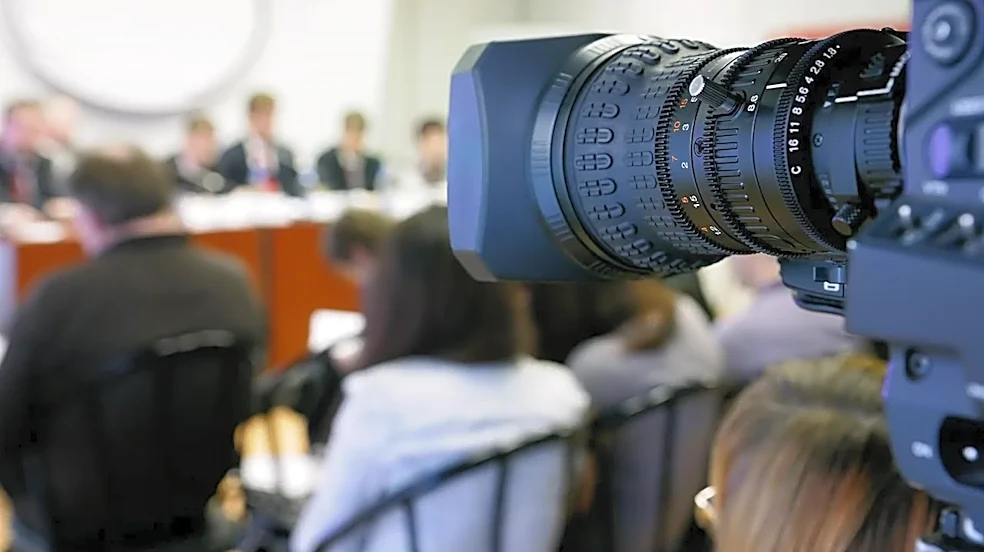
the best and most equitable meeting experience. A 4K camera is often overkill when most platforms like Zoom or Microsoft Teams compress video to 1080p to save bandwidth. Instead of fixating on resolution, the better question is: how does this camera make remote participants feel? Can they see who's talking? Can they hear clearly without straining? A high-quality 1080p camera with excellent low-light performance often creates a better experience than a 4K camera that makes a dimly lit room look grainy.
Audio Quality Is the Unsung Hero
Video gets the attention, but audio determines a meeting's success or failure. Think about it: you can tolerate a slightly blurry image, but if you can't hear someone clearly, communication grinds to a halt. Remote participants in a hybrid meeting already face the challenge of 'Zoom fatigue', where their brains work harder to process information. Poor audio quality, background noise, or echo dramatically increases this cognitive load. A great buyer's guide should prioritize cameras with advanced audio features like beamforming microphones, which focus on the person speaking, and AI-powered noise cancellation that eliminates keyboard clicks and HVAC hum. If a guide just lists 'integrated microphone' without detailing these features, it's doing you a disservice.
AI Features Are Now Table Stakes
In 2026, a conference camera without artificial intelligence is a relic. Modern AI-powered features are what bridge the gap between in-person and remote attendees, fostering a sense of inclusion that a static wide shot never can. Speaker tracking, for example, automatically pans and zooms to focus on the active speaker, making conversations easier for remote colleagues to follow. Automatic group framing intelligently adjusts the shot to keep everyone in view, whether two people are in the room or ten. These aren't gimmicks; they are essential tools for meeting equity. They ensure that remote participants don't feel like passive observers watching the 'real' meeting from afar, but are instead active participants who can clearly see expressions and body language.
The Room Is Part of the System
The most common mistake is buying a camera without first analyzing the room it will live in. A camera with a 90-degree field of view might be perfect for a long, narrow boardroom, but it will cut people off in a small, wide huddle space. Conversely, an ultra-wide 120-degree lens in a big room can make people at the far end of the table look tiny and distant. A useful buyer's guide won't just rank cameras; it will categorize them by ideal room size and seating arrangement. It should force you to answer questions first: how far is the furthest participant from the camera? Is the table round or rectangular? Are you facing a bright window that will create silhouettes? The camera is just one piece of a puzzle that includes room layout, acoustics, and lighting.