





The Old World: A Grid of Digital Toolboxes
Think about how you use your phone right now. You have a goal—book a flight, check the weather, order a pizza—and you navigate to a specific app to accomplish it. Your home screen is a grid of digital toolboxes, and you’re the master craftsperson who
has to know which tool to pull out for which job. This app-centric model has defined the smartphone era. It’s powerful and has put a universe of services at our fingertips. But it’s also fundamentally reactive. The phone waits for you to tell it what to do. The burden of initiating, organizing, and connecting tasks falls entirely on the user. We string together actions by hopping between apps: copying an address from a text, pasting it into a map, and then separately opening a calendar to create an event. It works, but it's a manual process in a world quickly automating everything else.
The Catalyst: What the Pixel 11 Represents
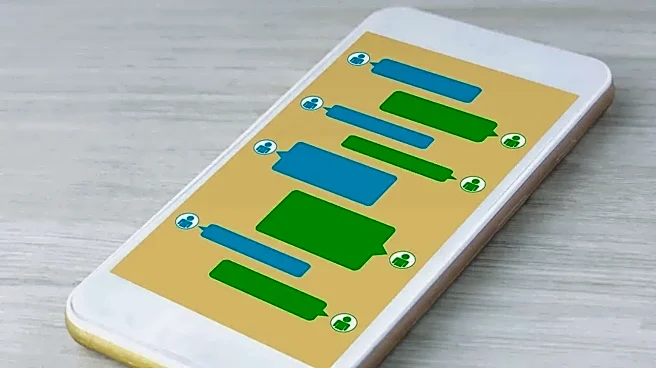
The Pixel 11, powered by Google's latest Tensor G6 chip and deeply integrated with its Gemini AI, isn't just another incremental hardware update. It's the commercial manifestation of a new philosophy. Instead of waiting for you to tap on an app, the Pixel 11 is designed to anticipate your needs. This is what Google calls "Proactive Assistance." It works by having the AI understand the context of what you're doing. For example, if you’re texting with a friend about meeting for dinner, a suggestion might pop up to book a reservation at a restaurant mentioned in the chat. If you have a flight tomorrow, your phone will surface the boarding pass in your Wallet and real-time flight status without you ever needing to search for them. It’s a shift from a device you operate to a partner that collaborates with you.
Your Phone as a Proactive Co-Pilot
This new paradigm changes the core interaction with our phones. The focus moves away from the apps themselves and toward an AI layer that orchestrates them. Instead of you doing the work, the assistant does. An experimental feature for Pixel 11 users called "Call For Me" demonstrates this perfectly. You can ask the Gemini assistant to make a phone call on your behalf to handle routine tasks like changing a haircut appointment or checking if a store has an item in stock. The AI navigates the phone menu, waits on hold, and has the conversation for you, while you can watch a live transcript. This is a profound change. The individual apps (Phone, Calendar, Maps) are still there, but they become more like skills the assistant can use rather than destinations you have to visit. You provide the intent—"Reschedule my dentist appointment for next week"—and the assistant figures out the rest, dissolving the boundaries between apps.
Why This Shift Is Happening Now
This transition isn't happening in a vacuum. It's the result of on-device AI becoming powerful enough to run complex models locally, ensuring privacy and speed. It’s also a strategic move by Google to defend its core business in a world where simple search queries are being replaced by complex, multi-step tasks. By transforming the phone's operating system into an intelligent agent, Google aims to keep users within its ecosystem by providing value before they even think to ask. This has massive implications for the app economy. Developers may no longer compete for prime real estate on your home screen. Instead, they’ll need to ensure their services are easily accessible to AI agents. Success will be measured not by app opens, but by how well a service integrates into this new, conversational and proactive flow of daily life. The app isn't dead, but its role as the front door to every digital interaction is coming to an end.