



A Ticking Time Bomb on the Balance Sheet
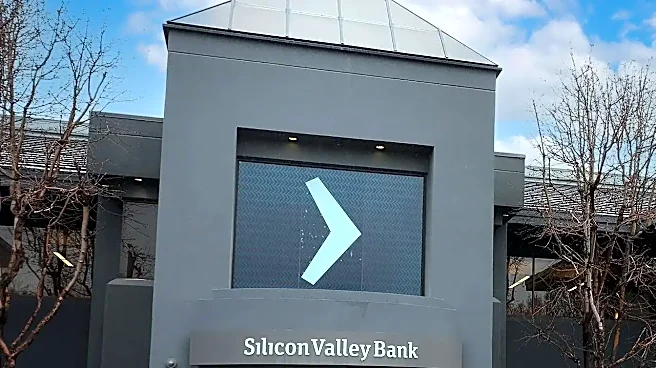
The seeds of Silicon Valley Bank's demise were sown during a time of prosperity. Flush with cash from a booming tech sector, SVB took its clients' massive deposits and invested them in supposedly safe, long-term U.S. Treasury bonds. The problem was a classic
asset-liability mismatch. While its deposits could be withdrawn at any moment, the money was tied up in bonds that wouldn't mature for years. This wasn't a problem when interest rates were near zero. But when the Federal Reserve began aggressively hiking rates in 2022 to fight inflation, the market value of SVB's existing, lower-yield bonds plummeted. This created a massive, multi-billion-dollar hole of unrealized losses on its books—a vulnerability hidden in plain sight.
The Spark That Ignited the Run
The bomb went off on Wednesday, March 8, 2023. In an attempt to shore up its balance sheet, SVB announced it had sold a chunk of its bond portfolio for a $1.8 billion loss and needed to raise $2.25 billion in fresh capital. This announcement was meant to build confidence; it did the exact opposite. It was a public admission of distress that sent shockwaves through its uniquely connected and concentrated customer base of tech startups and venture capitalists. VCs, spooked by the news, began advising their portfolio companies to pull their funds immediately. The panic was instantaneous and digitally supercharged. On Thursday, March 9, depositors initiated a staggering $42 billion in withdrawal requests, overwhelming the bank in a single day.
The Weekend Where Everything Almost Changed
By Friday, March 10, regulators had no choice but to step in, seizing the bank and putting the FDIC in control. This is typically where the story ends, but for SVB, it was the start of a frantic, high-stakes weekend that represented the story's great "what if." The FDIC's top priority was to find a private-sector buyer to acquire the bank's assets and assume its deposits, preventing a wider panic. An auction was hastily kicked off Saturday, with final bids due by Sunday afternoon. Several major financial players, including PNC Financial Services Group and others, reportedly examined the books. A successful sale would have turned the narrative from a catastrophic failure into a forced, but orderly, rescue. The collapse might have been just a footnote.
Why the Rescue Failed and What Came Next
Ultimately, no deal was reached. The timeline was simply too aggressive. Assessing the complex risks of SVB's unique loan book and bond portfolio in under 48 hours proved impossible for potential suitors, and the initial bids were deemed too low. With the auction failing and markets on edge worldwide, U.S. regulators faced a grim choice. To stave off a potential domino effect across other regional banks, they took the extraordinary step of invoking a "systemic risk exception" on Sunday, March 12. This allowed the government to guarantee all deposits at SVB, both insured and uninsured, ensuring depositors would be made whole and preventing a wider crisis of confidence. It was a decisive action that cemented SVB's collapse in the history books, but one that was only taken after the tantalizing possibility of a last-minute private rescue had faded.