





What Is This 'Private Cloud' Anyway?
When you ask Siri a complex question or use a new 'Apple Intelligence' feature, some tasks are too heavy for your iPhone's chip to handle alone. Historically, this is where other companies would send your data to their massive data centers, process it,
and send back an answer. This is fast and powerful, but it means your personal information—your photos, your messages, your queries—leaves your device and lives on a corporate server, where it can be analyzed, stored, or even breached. Apple's solution is Private Cloud Compute (PCC). Think of it as a bouncer for your data. For tasks that need more power, your device sends only the necessary, isolated data to special, Apple-controlled servers. These servers are designed with a single purpose: run your request and then forget it ever happened. The system is built so that even Apple employees can't access your data. The servers don't have permanent storage for user data, and independent security experts are invited to inspect the code to verify this promise. It's the cloud, but with the privacy of your own device.
The Trust-as-a-Feature Strategy
For years, Apple’s most consistent marketing message has been privacy. It's the moat around their castle. While Google and Meta built empires on user data, Apple sold products. This created a dilemma for the AI era: How do you build a world-class, context-aware AI without hoovering up user data? Private Cloud Compute is the answer. It allows Apple to have its cake and eat it too. By creating a secure, stateless processing environment, Apple can offer features that compete with Google's server-side power without breaking its foundational promise of privacy. This isn't just a technical feature; it's a core business strategy. In a world increasingly wary of data surveillance, Apple is betting that users will choose the ecosystem that protects their information by default. PCC transforms privacy from a passive shield into an active enabler of new technology, turning a potential weakness (lack of big data) into a marketable strength.
Building the AI Superhighway for Tomorrow
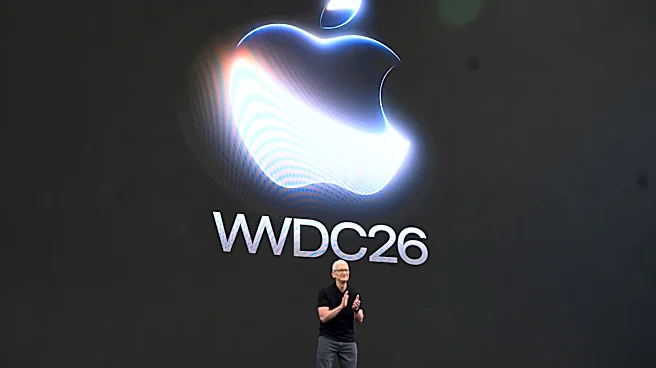
The features Apple announced at its latest Worldwide Developers Conference (WWDC) are just the first cars on this new superhighway. Things like summarizing emails or generating images are impressive, but they are the foundational layer. Private Cloud Compute is the infrastructure that will support much more ambitious projects down the road. Imagine an AI that can proactively manage your entire travel itinerary—booking flights, adjusting to delays, and communicating with your hotel—all while accessing your private calendar and emails, without that data ever being exposed to a human analyst or stored on a server. This level of deeply integrated, personal AI is only possible if users trust the system completely. By establishing the PCC framework now, with its verifiable privacy protections, Apple is building the trust necessary to introduce truly revolutionary AI assistants over the next two to three years. The system is designed to scale, not just in computing power but in user confidence.
Why 2026 Is the Real Target
The headline's mention of WWDC 2026 isn't arbitrary. It represents a horizon where today's groundwork pays off exponentially. The first generation of Apple Intelligence is about catching up. The second and third generations, which we can expect to see taking shape by 2026, will be about leveraging the unique advantage of PCC. By then, developers will have had time to build apps that tap into this secure cloud infrastructure. Apple will have collected terabytes of anonymous, privacy-safe performance data to refine its models. And users will be conditioned to expect powerful AI that doesn't feel creepy. WWDC 2026 is likely where we'll see Apple move from offering AI *features* to presenting a cohesive AI *platform* that is deeply and securely woven into every aspect of its hardware and software. The quiet introduction of Private Cloud Compute today is the single biggest clue to what that dominant, privacy-first future will look like.