



The Party and the Hangover
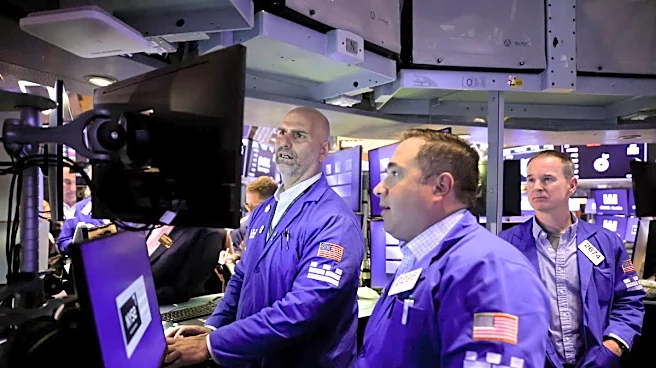
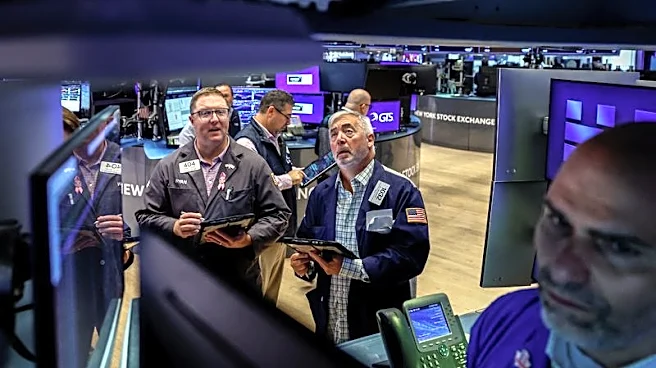
First, let's acknowledge the carnage. From 1999 to early 2000, the market was gripped by what Federal Reserve Chairman Alan Greenspan famously called "irrational exuberance." Venture capitalists threw money at any company with a ".com" in its name, often
ignoring traditional business fundamentals like profitability. Startups like Pets.com, Webvan, and Kozmo.com burned through millions in investment capital on splashy marketing and unsustainable business models, like offering free delivery on a single tube of chapstick. When the NASDAQ index peaked in March 2000 and then began its terrifying plunge, these companies were exposed. The subsequent crash wiped out an estimated $5 trillion in investor value, leaving a trail of bankrupt companies and shattered dreams. This is the version of the story everyone remembers: a cautionary tale about hype and speculation.
Wires in the Ground
But while the headlines focused on failing websites, something far more important was happening underground. The same speculative frenzy that funded bad business ideas also bankrolled one of the largest infrastructure build-outs in history. Telecom companies like Global Crossing and Level 3 spent hundreds of billions of dollars laying tens of millions of miles of fiber optic cable across continents and under oceans. They were betting on a future where internet traffic would double every few months, a forecast that proved wildly optimistic. When the bubble burst, these companies went bankrupt, leaving behind a massive surplus of unused, or "dark," fiber. At one point, estimates suggested over 90% of this newly laid cable was sitting dormant. This overbuilding, seen as a colossal failure at the time, had an incredible side effect: it made the cost of moving data plummet by as much as 90%. This cheap, abundant bandwidth became the bedrock of the modern internet.
Good Ideas, Bad Timing
Many of the ideas that seemed absurd in 1999 are now central to our daily lives. Webvan, the online grocer that spectacularly failed, was the blueprint for today's Instacart and Amazon Fresh. Kozmo.com's one-hour delivery of movies and snacks was a precursor to DoorDash and Uber Eats. The streaming music service Rhapsody, launched in 2001 as the tech world imploded, paved the way for Spotify and Apple Music. These companies weren't wrong about what people would eventually want; they were simply too early. In 2000, only a fraction of the population was online, and broadband adoption was minimal. The dot-com pioneers were trying to build services for a world that didn't exist yet, on an internet that was too slow and for a customer base that was too small. The crash cleared away these premature attempts, but the ideas themselves lay dormant, waiting for the technology and user base to catch up.
Forged in Fire
The crash also acted as a brutal but effective filter. Companies that survived were forced to become incredibly disciplined. Amazon saw its stock fall more than 90% but endured by focusing on its core business and perfecting its logistics and cash flow management. Priceline (now a part of Booking Holdings) weathered the storm by providing a clear value proposition. Google, founded just before the bubble's peak, held its IPO in 2004, after the dust had settled, having learned critical lessons from the failures of others. These survivors weren't the ones with the flashiest ads; they were the ones with resilient business models. The pressure of the downturn forced a level of operational excellence that created the titans that dominate the web today. They were forged in the fire of the crash, emerging leaner, smarter, and ready to build on the ruins of their rivals.