




A Road Trip Full of Anxiety
Before 2023, owning a non-Tesla EV in America often meant navigating a confusing patchwork of charging standards. The primary public fast-charging plug was the Combined Charging System, or CCS, but its implementation was anything but standard. Drivers
faced a frustrating lottery of broken chargers, confusing payment apps, and inconsistent speeds. This unreliability was a major source of 'range anxiety,' the fear of getting stranded with a dead battery, and it made long-distance travel a gamble. While EV technology was advancing quickly, the infrastructure to support it lagged, creating a massive barrier for mainstream car buyers.
The Supercharger Fortress
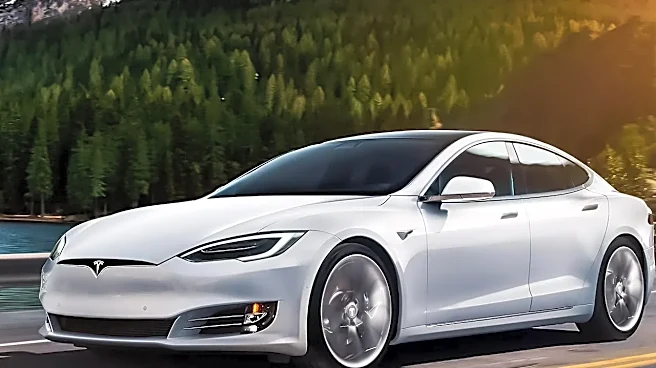
From the beginning, Tesla understood that the car was only half the equation. Its masterstroke was building its own private, proprietary charging network. The Tesla Supercharger network was everything the public CCS network wasn't: reliable, fast, and seamlessly integrated. Tesla drivers could simply pull up, plug in, and have their car automatically bill their account. This exclusive, user-friendly experience became one of the biggest selling points for a Tesla, transforming a potential weakness into a formidable competitive advantage. For years, this network was a walled garden, accessible only to Tesla owners. It was a key part of the company's dominance, accounting for about 60% of all fast chargers in the U.S.
The Trojan Horse Gambit
Then, in a move that seemed counterintuitive, Tesla decided to tear down its own walls. In late 2022, the company announced it was opening up its proprietary plug design to the world, rebranding it as the North American Charging Standard (NACS). This wasn't an act of charity; it was a brilliant strategic pivot. Tesla was betting that its network was so superior that competitors would have no choice but to adopt its standard. It was a calculated risk: by giving up its exclusivity, it could become the foundational technology for the entire industry. It offered a solution to the industry's biggest headache, on its own terms.
One by One, the Dominoes Fell
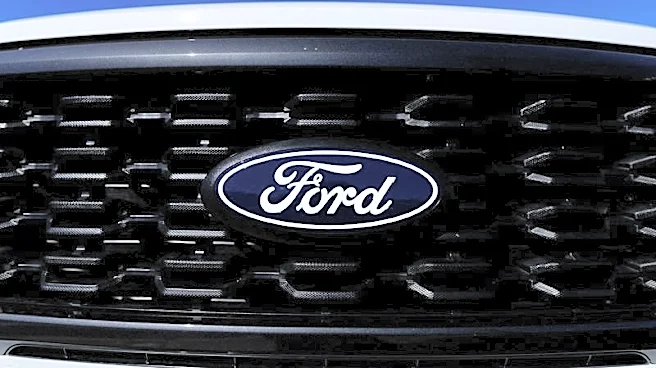
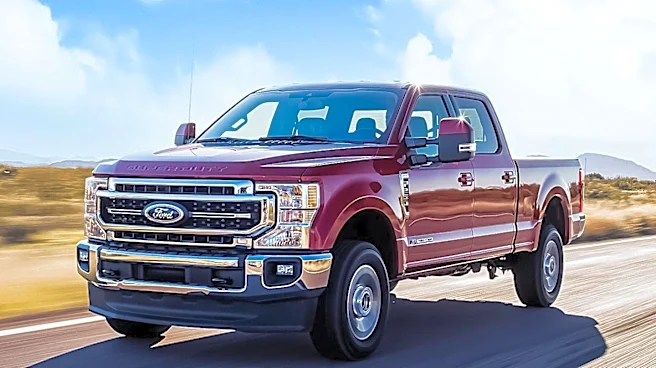
The gambit paid off spectacularly. In May 2023, Ford became the first major automaker to blink, announcing it would adopt the NACS port for its future EVs starting in 2025. General Motors quickly followed suit. What followed was a cascade of announcements. Rivian, Volvo, Mercedes-Benz, Nissan, Honda, and eventually nearly every major automaker selling cars in North America, all pledged allegiance to NACS. The logic was inescapable. It was far cheaper and faster to join Tesla's proven, continent-spanning network than to continue pouring billions into building a competing one that consumers already distrusted. The format war was over, almost as soon as it began.
Kingmaker of the Electric Age
With this single strategic decision, Tesla reshaped the industry. It turned its biggest competitive advantage from a private asset into a public utility that it controls. The company will now generate revenue from its competitors' customers every time they plug into a Supercharger. More importantly, it has cemented itself as an energy and infrastructure leader, not just a car company. By solving a problem for everyone, Tesla ensured that all roads—or at least all charging cables—lead back to them. It was a masterclass in turning a dominant position into an unassailable one, defining the physical plug that will power America's electric transition.