




Battery Life: A Major Leap Forward
Perhaps the most significant upgrade in the Pixel 11 is its battery performance. Early reviews and tests show a substantial improvement over the Pixel 10. The phone is equipped with a 4,985mAh battery, which is a slight capacity increase, but the real
gains come from the efficiency of the new Tensor G6 chip. One benchmark test, which involves streaming video over Wi-Fi, saw the Pixel 11 last for an impressive 19 hours and 13 minutes. Google promises over 30 hours of typical use, a notable jump from the previous generation's 24-hour claim. If your current phone struggles to make it through the day, the Pixel 11's endurance is a compelling reason to consider it, as it now competes favorably with its main rivals.
The Camera System: Smart, Not Just Powerful
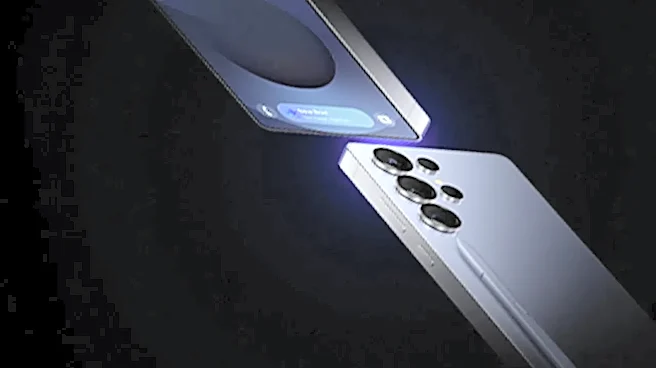
The Pixel 11 features an advanced triple-camera system, including a 48MP main wide camera, a 13MP ultrawide camera, and a 10.8MP telephoto lens with 5x optical zoom. While the hardware is an upgrade, the real story is the software. Google's new AI-powered camera features are designed to do the work for you. A standout is "Magic Capture," which analyzes hundreds of frames to automatically select the best possible shot, reducing the pressure on you to time everything perfectly. While it may not have the highest resolution sensors compared to some rivals like the iPhone 18 Pro, the Pixel's strength has always been its computational photography, and that legacy continues with new tools like Photo Unblur and improved Night Sight. Check if these automated, smart features appeal more to you than the granular, pro-level controls offered elsewhere.
AI and the Tensor G6 Chip
At the heart of the Pixel 11 is the new Tensor G6 processor. While it may not top benchmark charts for raw gaming performance against Apple's A-series chips, its primary purpose is to power Google's sophisticated AI. This year, the focus is on proactive assistance through "Gemini Intelligence". A new experimental feature called "Call For Me" allows the Gemini assistant to make phone calls on your behalf for tasks like booking reservations. Live Translate is also more capable, and new tools in the camera rely heavily on the chip's processing power. Before buying, consider how much you'd use these intelligent features. If you value a phone that automates tasks and integrates deeply with Google's services, the Pixel 11's brain is its biggest selling point.
Display and Design: Refined, Not Re-imagined
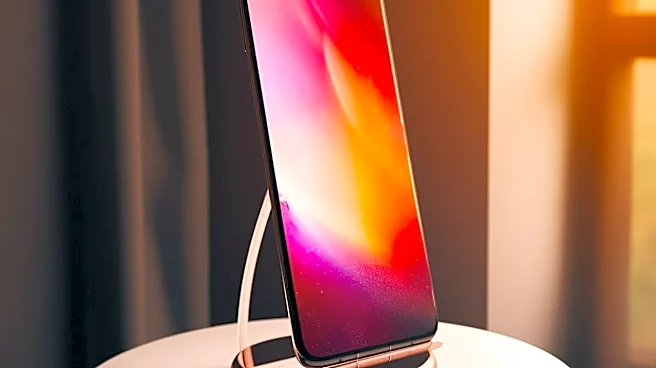
The Pixel 11 sports a 6.3-inch Actua display that is noticeably brighter than its predecessor, with a peak brightness that makes it easily visible in direct sunlight. It features a smooth 120Hz refresh rate and a durable Gorilla Glass Victus 2 front. However, the overall design is an evolution of the Pixel 10, not a revolution. It retains the signature camera bar, albeit in a slimmer form. If you were hoping for a complete design overhaul, you might be disappointed. But if you appreciate a comfortable, premium-feeling device with a top-tier screen for daily use, the Pixel 11 delivers a polished and practical experience.
Price and Value: The Smartest Buy?
Starting at $899 for the 256GB model, the Pixel 11 represents a price increase over its predecessor. However, many reviewers argue it offers the best value in the entire Pixel 11 lineup. It packs the same core Tensor G6 chip and AI features as the more expensive Pro models but at a lower price point. The key trade-offs are a slightly less advanced camera array (no 120x "Pro Zoom") and the lack of a few Pro-exclusive features. For $300 less than the competing iPhone 18 Pro, you get a phone with a fantastic camera, stellar battery life, and a seven-year software update promise from Google. Before purchasing, weigh whether the Pro's extra zoom and features are worth the significant extra cost for your personal use.