







The Promise of a Digital Teammate
When Microsoft launched Copilot for its 365 suite, the promise was intoxicating. Here was an AI assistant woven directly into the tools millions of workers use every day: Word, Excel, Outlook, and Teams. It would draft your emails, summarize your endless
meetings, create entire presentations from a simple prompt, and find the one file you desperately need. The pitch was simple: a revolutionary leap in productivity. For CEO Satya Nadella, it was the culmination of a multi-billion dollar bet on AI, positioning Microsoft not just as a participant in the new tech wave, but as its primary architect. The initial demonstrations were magical, showing an assistant that could eliminate digital drudgery and free up humans for higher-value work. This wasn't just another feature; it was billed as a new way of working altogether, and for a moment, the sheer potential seemed undeniable.
The $30-a-Month Question
The magic, however, came with a decidedly tangible price tag: $30 per user, per month for enterprise clients. Suddenly, the conversation shifted from technological wonder to financial calculation. For a company with 10,000 employees, that's an additional $3.6 million in annual software spend. CFOs and CIOs, the ultimate arbiters of corporate spending, began asking for the one thing AI has struggled to provide: a clear, quantifiable return on investment. Microsoft has released a flurry of studies showing significant time savings and productivity boosts. One analysis projected a potential ROI of over 100% for enterprise deployments. Yet many businesses remain skeptical. The gains, while real, are often in 'soft' metrics like 'better first drafts' or 'reduced cognitive load'. These are notoriously difficult to tie directly to a company's bottom line, creating a gap between perceived value and provable financial impact.
The Productivity Paradox
The core of Nadella's challenge lies in this productivity paradox: everyone feels more productive, but proving it in dollars and cents is devilishly hard. How do you measure the value of an idea that came from a brainstorming session Copilot facilitated? If an employee saves an hour a day on emails, does that time get repurposed for innovative work or simply absorbed into other tasks? The data on adoption versus actual use tells a complicated story. While Microsoft announced that Copilot had surpassed 30 million paid seats by July 2026, other reports suggest a significant portion of those licenses go underutilized. Some data from early 2026 indicated a workplace adoption rate of just over 35%. This suggests that simply providing the tool is not enough. Without structured training and a clear plan for integrating it into specific workflows, many employees try it once and abandon it, turning an expensive license into shelfware.
Nadella's High-Stakes Bet
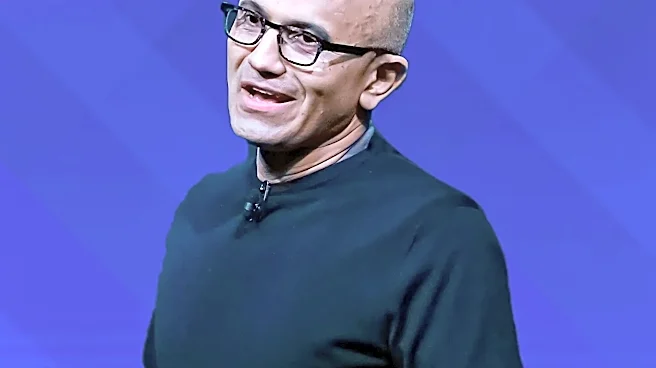
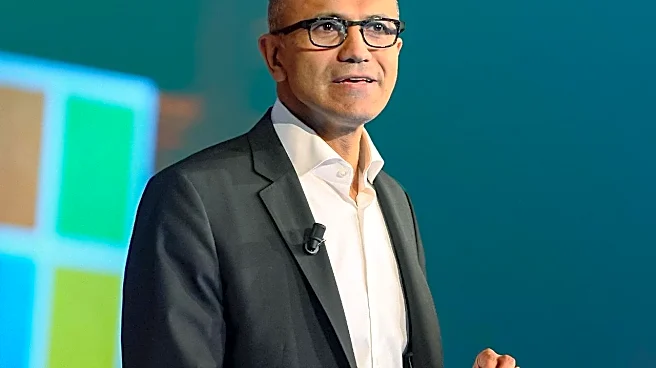
This challenge represents a defining test of Satya Nadella’s leadership. Having successfully pivoted Microsoft from a desktop software giant into a cloud computing powerhouse, he has now staked the company's growth on leading the 'agentic wave' of AI. The massive capital expenditures on data centers and GPUs, running into the tens of billions quarterly, are predicated on the idea that AI services like Copilot will become indispensable. But Nadella himself seems to recognize the shifting landscape. The conversation from Microsoft is evolving from 'magic' to 'math'. Recent earnings calls highlight growth in daily active users and credit consumption, shifting the focus from seat licenses to tangible engagement. Nadella has also spoken about using a mix of AI models—not just the most powerful and expensive ones—to deliver value efficiently, a pragmatic approach aimed at managing the astronomical costs of running these systems. This isn't just about one product's success; it's about proving the entire AI-centric strategy is sustainable and profitable, especially as competitors like Google and a host of startups offer their own intelligent assistants.