
The Manufacturing Powerhouse
On the surface, Tesla’s second-quarter 2026 results look like a win. The company announced it delivered a record 480,126 vehicles, smashing analyst expectations and driving revenue to an all-time high
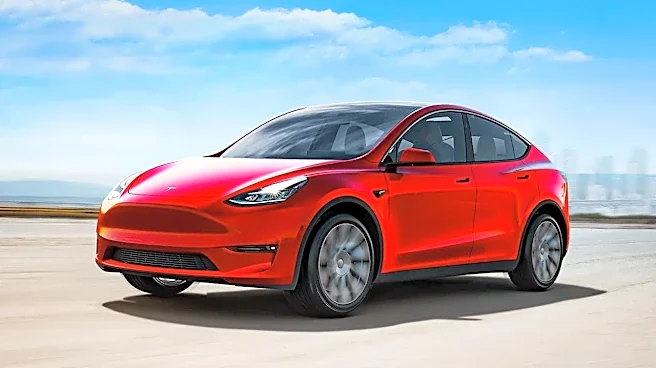
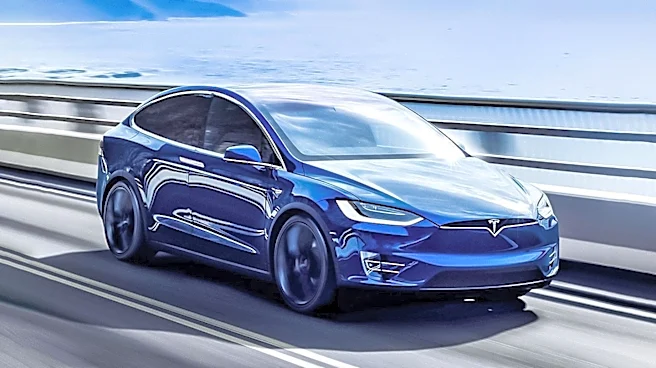
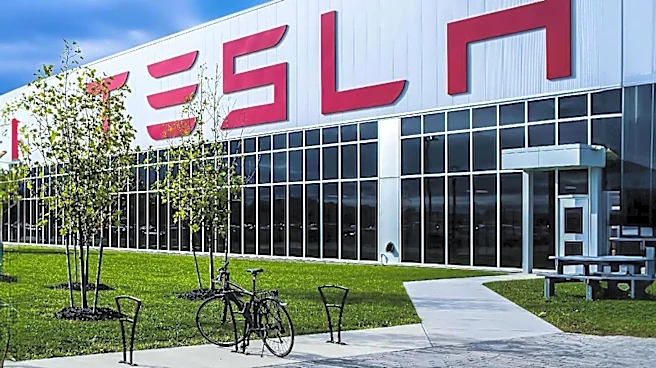
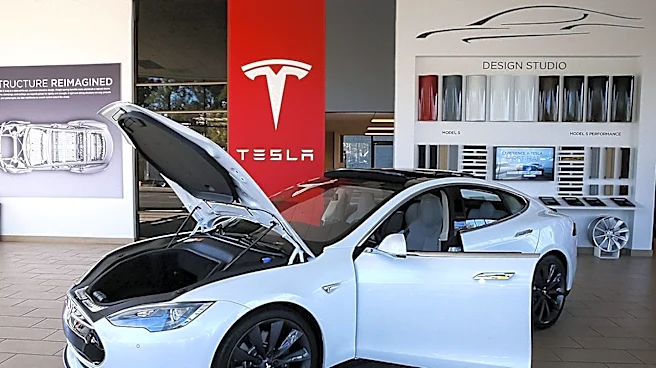
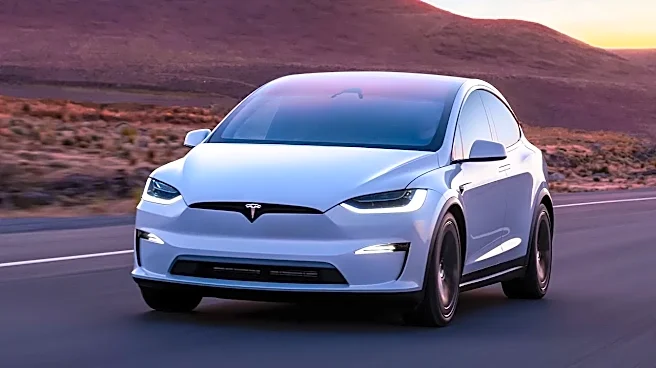
of $28.2 billion. For the first time, its revenue over the last twelve months topped $100 billion. This is the picture of a mature, globally dominant automaker firing on all cylinders. Production is up, demand appears strong, and new markets are coming online, with record deliveries in countries from South Korea to Colombia. In short, the part of Tesla that builds and sells cars is doing exactly what it’s supposed to do: grow. This performance is what makes Tesla a formidable player in the traditional auto industry, proving it can scale production and manage a global logistics network effectively.
The Profit and Spending Problem
But look closer, and cracks appear. While revenue soared, profits fell far short of expectations. Adjusted earnings per share came in at just $0.33, a huge miss from the $0.49 to $0.53 Wall Street was looking for. So where did the money go? A big chunk went to covering rising costs and massive new investments. The company is in what it calls its "largest and most exciting period of investment," pouring billions into AI, robotics, and the much-hyped robotaxi. Capital expenditures more than doubled year-over-year to $5.8 billion for the quarter, pushing Tesla's free cash flow into negative territory for the first time since early 2024. At the same time, revenue from high-profit regulatory credits, which used to be a cash cow, has collapsed. This created a bizarre split: record sales, but shrinking profitability.
The Autonomy Uncertainty
This spending spree brings us to the heart of the paradox: Tesla’s valuation has never been about just selling cars. It's built on the promise of a future dominated by autonomous vehicles—a fleet of robotaxis generating software-like profits. For years, the story was that Full Self-Driving (FSD) was just around the corner. Yet, as of mid-2026, that future remains stubbornly out of reach. While FSD is now available as a subscription and uptake is growing, it still requires active driver supervision. The purpose-built Cybercab, meant to be the backbone of the robotaxi network, has not yet entered volume production. Recent reports even noted that paid robotaxi miles driven decelerated in the second quarter. Furthermore, regulators, like those in France, remain skeptical, withholding approvals and demanding more safety guarantees. This creates a deep uncertainty. Analysts now say that tangible milestones for the robotaxi and Optimus robot projects are becoming critical to justify the company’s heavy spending and lofty stock price.
A Tale of Two Teslas
Ultimately, the latest earnings force investors to confront which version of Tesla they believe in. Is it a wildly successful, if somewhat low-margin, manufacturer of electric cars? Or is it a high-risk, high-reward AI and robotics company on the cusp of changing the world? The delivery numbers confirm the strength of the first story. The profit miss and massive capital burn highlight the speculative nature of the second. The paradox is that the company's tangible success in the present (selling cars) is being financed by a future that is still highly theoretical (autonomy). As one analyst noted, the heavy investment in autonomy is necessary, but it pushes cash flow further into the negative, increasing the pressure to show real progress. Strong car sales can provide a buffer, but they can't hide the autonomy question forever.